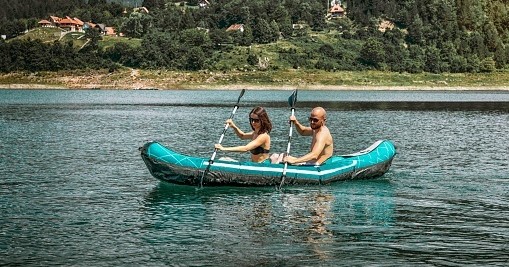
Kayak Montauk: Sea & Harbor Paddles in Montauk, New York

Montauk, New York

Montauk is equal parts surf town and salt‑marsh estuary — a compact Atlantic edge where rocky points meet sheltered harbors. Kayaking here ranges from calm, wildlife-rich harbor loops to exposed sea paddles along the Point and across parts of Block Island Sound. Expect expansive sky, working-water vistas of charter boats and lobstermen, and a coastline that rewards attention to tide, wind, and weather.

12
Activities
Late spring through early fall (peak summer weekends)
Best Months

Top Kayak Trips in Montauk

12 trips • Book with confidence • Instant confirmation

Why Montauk Is a Distinct Kayak Destination

Montauk sits at the eastern edge of Long Island where the Atlantic opens into Block Island Sound and numerous protected coves and ponds carve into the shoreline. That patchwork—exposed headlands, wind‑sculpted beaches, tidal flats, kettle ponds, and narrow inlet channels—creates a surprisingly varied kayak playground in a small area. A morning paddle can mean slipping out of a quiet harbor among osprey and terns; an afternoon could be a windy, technical run skirting a rocky point with whitewater at the reef. This contrast is the town’s appeal: you can practice fundamentals in calm water, then graduate to open‑ocean reading — wind, tide and swell — with a short shuttle or guided trip.

Ecologically, Montauk’s nearshore waters are rich and changing. Sandbars move, tidal flows reshape channels, and seasonal migrations bring flocks of shorebirds and visiting seals. The fishing culture and maritime history are visible from the water: lobstermen’s buoys, working skiffs, and the silhouette of Montauk Point’s lighthouse remind paddlers that these are working seas. Respecting that active maritime use — and the marine life that depends on the tidally flushed lagoons and eelgrass beds — is part of the experience. Ethically minded paddlers can time trips for low disturbance of seal haulouts and avoid sensitive nesting areas during spring and summer.

Practical terrain notes are central to paddling Montauk well. The same factors that make the paddling diverse — wind funneling around headlands, strong tidal exchanges between bays and the open sound, and quickly developing ocean chop — also make planning essential. For beginners, the best paddles are inside harbors and protected ponds at high or mid tide when currents are minimal. Intermediate paddlers gain confidence on nearshore circumnavigations of small islands and longer crossings between sheltered coves. Advanced paddlers will find real training value in point‑to‑point paddles that cross open water and demand efficient edging, bracing, and good weather judgment.

Complementary activities are easy to weave into a kayak week: surf sessions at Ditch Plains for those chasing waves, fishing charters for evenings, and hikes to Montauk Point for lighthouse panoramas. The last light over the sound is as instructive as any guidebook: it shows the weather patterns to read for tomorrow’s paddle. With modest planning — checking tides, local forecasts, and possible commercial traffic — Montauk delivers a coastal kayaking experience that is both immediate and multifaceted.

Short harbor loops: Three Mile Harbor, Fort Pond Bay, and Napeague Harbor shelter beginners and provide birding and quiet coves within easy reach of town.

Point paddles and exposed crossings: The coastline around Montauk Point and the reef outside requires attention to wind-on-waves and returning with the tide in mind.

Wildlife and seasons: Spring and fall migrations sharpen encounters with shorebirds and seals; summer brings busy boat traffic but calm mornings ideal for paddling.

Activity focus: Sea & Harbor Kayaking
Number of curated trips/experiences in the area: 12
Water types: sheltered harbors, ponds, nearshore ocean, tidal channels
Tide and wind awareness is essential for exposed paddles
Best early-season conditions are calm mornings; afternoons often see onshore breezes

Best Time to Visit

Best Months

MayJuneJulyAugustSeptemberOctober

Weather Notes

Calm, cool mornings are common in late spring and early fall—ideal for paddling. Summer offers warm water but increased boat traffic and afternoon sea breezes. Fall brings clearer weather and migrating birds; winter is possible for experienced paddlers in cold, smaller groups with proper gear.

Peak Season

Summer weekends (July–August) attract the highest local boat and beach traffic.

Off-Season Opportunities

Late spring and early fall are quieter with favorable winds and good wildlife viewing; some advanced paddlers use winter for surf and training when conditions are cold but uncrowded.

Frequently Asked Questions

Do I need experience to kayak in Montauk?

No for sheltered harbors and ponds — many rental operators and guides run calm, instructional trips for beginners. Yes for open‑water paddles: crossings around the Point or across channels require experience reading wind, swell, and tide, and the ability to perform a self‑rescue.

Are kayak rentals and guided trips available?

Yes. Several local outfitters rent recreational and touring kayaks and offer guided harbor tours or instruction. Check each operator for launch locations, group size, and safety requirements.

How important are tides and currents?

Very. Tidal exchange around inlets and between ponds and the sound can create strong flows and exposed shoals. Plan paddles to avoid strong opposing currents and allow extra time for return legs.

Choose Your Experience Level

Beginner

Calm harbor loops and pond paddles with minimal tidal current. Stable recreational kayaks and flat‑water technique are sufficient.

  • Three Mile Harbor wildlife loop
  • Fort Pond Bay gentle paddle
  • Guided instructor session in a protected cove

Intermediate

Nearshore point circumnavigations and short crossings that require efficient paddling, basic edging and brace technique, and tide awareness.

  • Napeague Harbor to Hither Woods coastal loop
  • Lake Montauk inlet exploration (focused on currents)
  • Early‑morning open‑sound crossing to a nearby shoal

Advanced

Exposed sea paddles, longer crossings across Block Island Sound, or training runs in wind and chop. Requires sea kayak experience, navigation skills, and a practiced rescue routine.

  • Point circumnavigation from Montauk Point with return on a changing tide
  • Crossings timed around offshore wind windows
  • Multi‑hour paddles combining reef work and surf exits

Insider Tips & Local Knowledge

Always check local forecasts, tide tables, and any posted advisories before launching.

Launch early for flat water and quieter harbors; afternoons often build sea breezes. Talk to local outfitters or the harbormaster for current conditions and recent changes to sandbars or channels. Respect working boats — give them wide berth and avoid lobster pots when possible. If you plan an exposed paddle, file a float plan with someone on land and carry visual signaling tools. For wildlife viewing, approach slowly and keep distance from seal haulouts and nesting shorebirds, especially in spring and summer.

What to Bring

Essential

  • USCG‑approved life jacket (PFD) — wear it
  • Skirt or spray skirt for sea kayaks (if using a touring kayak)
  • Paddle (plus spare if possible) and leash
  • Dry bag with extra layers and a wind shell
  • Navigation: phone in a waterproof case, chart, and basics of tide tables
  • Footwear for rocky entries and wet launches
  • Sun protection: hat, sunglasses with retainer, reef‑safe sunscreen

Recommended

  • Bilge pump or sponge for sea kayaks
  • Tow system and paddle float for self‑rescue practice
  • Compact first‑aid kit and whistle
  • Small repair kit and duct tape
  • Local tide chart and compass or paddle GPS

Optional

  • Binoculars for bird and seal watching
  • Underwater camera or action cam for surf and wildlife
  • Lightweight neoprene for cooler spring/fall mornings
  • Fishing license and simple rod for mixed kayak/fish outings

Ready for Your Kayak Adventure?

Browse 12 verified trips in Montauk with instant booking

Explore Top 15 Montauk, New York Adventures →