Top Air Activities in Montague, New Jersey
Montague's quiet ridgelines and river-cut valleys make an unexpectedly rich stage for air-based adventure. From the hush of a dawn hot-air balloon drifting over patchwork farmland to the brisk lift of a ridge-line paraglider catching thermals above the Kittatinny, the area rewards anyone who prefers their perspective from above. This guide focuses on the airside experiences available around Montague—what to expect, when to go, and how to plan—while weaving in complementary outings like scenic flights, nearby hikes to launch points, and seasonal birdwatching that pairs naturally with time aloft.
Top Air Activities Trips in Montague
6 trips • Book with confidence • Instant confirmation
Why Montague Is a Compelling Base for Air Activities
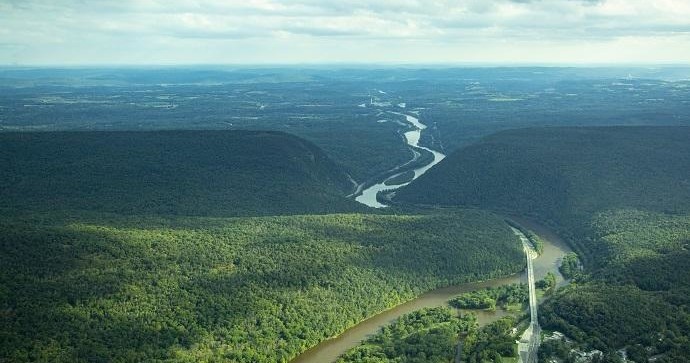
There is a particular kind of hush that comes when you lift away from the ground in northwest New Jersey. Montague sits at the northern shoulder of the Kittatinny Ridge and the western edge of a landscape that falls away toward the Delaware River—terrain that, in the right conditions, turns air into a playground for everything from gentle balloon rides to dynamic ridge soaring. The geography matters: long linear ridgelines, broad agricultural valleys, and the river corridor create predictable thermal patterns and wind funnels that pilots and instructors learn to read. For a visitor, that means more reliable mornings for balloonists, defined launch options for paragliders, and scenic flight paths that emphasize the contrast between forested ridges and the river’s braided bottomlands.
This region’s human scale is part of the appeal. Montague’s small-town roads and open fields provide accessible launch and landing areas without the congestion of bigger tourist hubs. At sunrise you can watch farm fields stripmist into the valleys as a balloon rises; later in the day, if conditions allow, experienced paragliders will run a ridge and ride the lift line. Flying here often feels intimate rather than spectacle-driven—an experience shaped by light, weather and the slow reveal of the landscape. That intimacy also brings responsibility: the same agricultural fields, wildlife refuges, and private parcels that make for beautiful approaches are working landscapes and sensitive habitats. Local pilots emphasize careful landing choices, noise discipline, and coordination with landowners.
Seasonality frames the experience. Late spring through early fall typically offers the best windows: stable mornings for ballooning and reliable thermal activity for paragliding and gliding. Autumn introduces another dimension—fired leaves and extended visibility create some of the most memorable flights of the year. Winter flights are possible but rarer and require advanced planning due to shorter days and more volatile weather. Whether you’re booking a tandem flight, enrolling in an introductory paragliding lesson, or chartering a scenic airplane tour, plan around wind forecasts and local launch schedules. The area’s proximity to regional airports and a handful of small airfields makes arranging lessons and scenic flights straightforward, but each discipline carries its own checklist of safety, training, and regulatory considerations.
Montague’s mix of ridgeline lift and river-valley thermals supports a range of air activities: quiet sunrise balloons, tandem paragliding experiences, scenic fixed-wing flights, and occasional glider operations where conditions permit.
Because much of the airspace overlaps with wildlife corridors and private land, successful outings depend on good local stewardship—advance communication with providers and landholders keeps access healthy for both pilots and the landscape.
Complementary land-based activities—hiking at High Point State Park, paddling on calmer stretches of the Delaware, or photographing fall color—pair well with air outings and can fill weather-dependent downtime.
Best Time to Visit
Best Months
Weather Notes
Late spring through early fall offers the most dependable windows for air activities: stable mornings for ballooning and thermally active afternoons for paragliding and soaring. Summer thunderstorms can develop quickly—pilots and operators watch convective forecasts closely. Fall provides crisp air and excellent visibility, but windier days increase cancellation risk.
Peak Season
Leaf-peeper season (September–October) draws more visitors and can tighten scheduling for scenic flights and tandem experiences.
Off-Season Opportunities
Late-winter and early-spring sorties are possible but less frequent; off-season travelers may find more availability for private lessons or charter flights when weather permits.
Frequently Asked Questions
Do I need any prior experience to fly?
For tandem flights—hot-air balloon or paragliding—no prior experience is required. Lessons or certifications are necessary if you want to pilot independently.
How far in advance should I book?
Book several weeks ahead during peak foliage months. For weekends in autumn and holiday periods, earlier reservations secure preferred launch times.
What happens if my flight is canceled?
Weather cancellations are common. Most operators will reschedule or refund; confirm their cancellation policy before booking and plan flexible ground activities as backups.
Are children allowed on air activities?
Age and weight limits vary by activity and provider. Tandem flights often have minimum age or physical requirement guidelines; check with your booking provider.
Choose Your Experience Level
Beginner
Introductory tandems and scenic flights are tailored to first-timers—no certification required and minimal physical demand.
- Tandem hot-air balloon sunrise flight
- Introductory tandem paragliding over ridgelines
- Scenic fixed-wing flight over the Delaware River corridor
Intermediate
Short training blocks, familiarization flights, and guided practice launches. Some pilot experience or a basic training course is useful.
- Multi-flight paragliding lesson package
- Introductory glider ride with briefing
- Photography-focused scenic flight
Advanced
Independent pilots and experienced glider or paraglider pilots operating in stronger thermal and ridge conditions—requires certification, local knowledge, and pre-flight planning.
- Ridge-soaring sessions along the Kittatinny
- Cross-country paragliding on thermal days
- Advanced glider or sailplane operations
Insider Tips & Local Knowledge
Weather is the deciding factor—build flexibility into your schedule and pack for both cool mornings and warm afternoons.
Start early: balloon flights almost always launch at dawn when the air is calmest. Communicate with operators about weight limits and photo priorities before the flight. For paragliding, learn to read local winds and thermals; afternoons can produce lift but also gustier, less predictable conditions. Always confirm access and landing options with providers—some scenic landings involve private fields and require coordination. Consider pairing an air activity with a riverside paddle or a ridgeline hike to fill weather-dependent downtime. Respect wildlife areas and quiet hours for nearby farms. Finally, bring a lightweight, secure case for cameras—airborne photography is one of the best returns from a Montague flight, but sudden gusts and jostling landings make secure gear essential.
What to Bring
Essential
- Layered clothing — early mornings can be cool while afternoons warm quickly
- Closed-toe shoes with good grip for launch and landing
- Weather-appropriate outer layer (windbreaker or light jacket)
- Sunglasses and sun protection
- Photo gear with strap or secure case
Recommended
- Small daypack for personal items
- Portable battery for phone/camera
- Light snacks and water for post-flight recovery
- Copies of ID and emergency contact information
Optional
- Binoculars for bird and landscape viewing
- Notebook or sketchbook for field notes
- Light gloves in cooler months
Ready for Your Air Activities Adventure?
Browse 6 verified trips in Montague with instant booking
Explore Top 15 Montague, New Jersey Adventures →