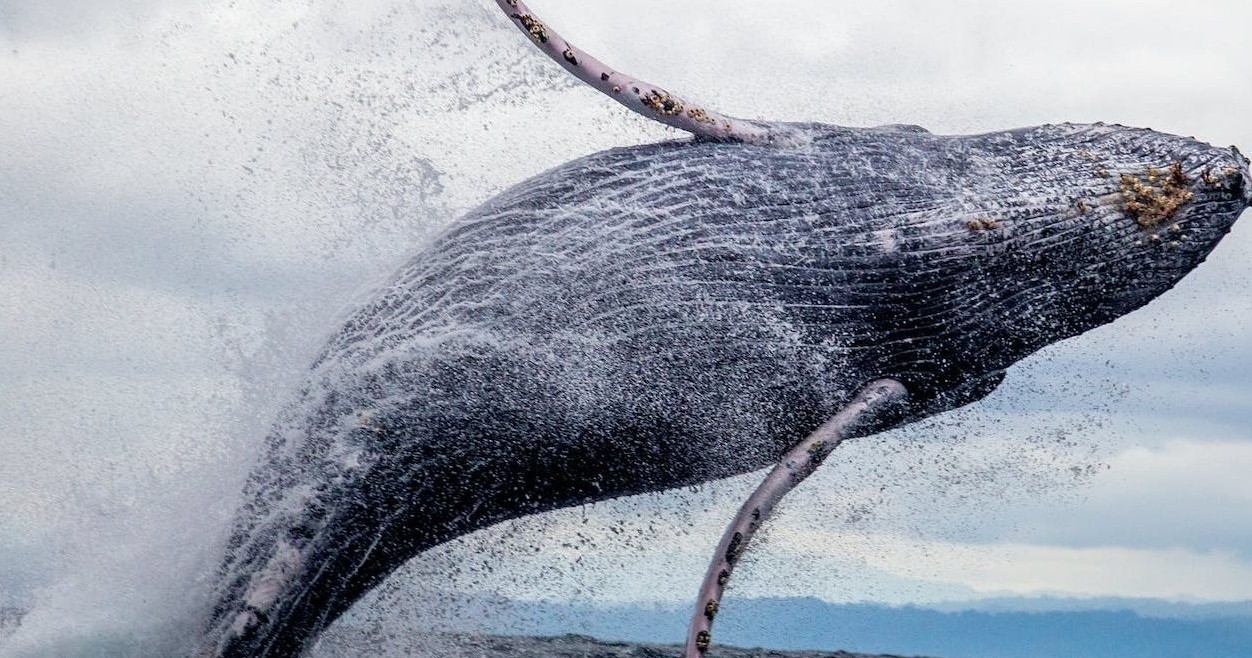
Whale Watch in Mokuleia, Hawaii
Mokuleia's low, palm-fringed coastlines and sheltered nearshore waters make it a quietly excellent launching point for seasonal humpback encounters. From the swell-sheltered bays that attract mothers and calves to the rolling blue of the Outer Banks where breaches erupt, whale watching here blends comfortable access with a strong sense of place—Hawaiian marine culture, open-ocean spectacle, and thoughtful stewardship converge on the leeward shore.
Top Whale Watch Trips in Mokuleia
78 trips • Book with confidence • Instant confirmation
Why Mokuleia Is a Standout Whale Watch Destination
There is a particular hush that falls over Mokuleia in winter—an easy, salt-tinged stillness broken by the distant, liquid exhalation of a humpback. The leeward coast of Oʻahu, where Mokuleia sits like a mitten cupping the sea, offers a rare combination: close access to open-ocean whale routes and shallow, calm bays that are ideal for boat-based viewing. From December through April, the North Pacific funnels migrating humpbacks into Hawaiian waters for breeding, calving, and resting. Mokuleia’s coastline, less crowded than neighboring North Shore hotspots, gives visitors a quieter, more contemplative vantage point. Boats leave from small harbors and sandy points; within an hour many tours reach deep-blue corridors where whales surface and socialize.
Beyond scenery, Mokuleia is physically and culturally shaped by the ocean. Local knowledge—stories of kohola (humpbacks) passed through families and modern conservation measures—infuses the whale-watching experience with meaning. Captains and naturalists working these tours often blend scientific detail with cultural context: explaining whale song, migratory drivers, and the Hawaiian protocols of respect. That perspective turns a sighting into a moment that links you to an island history of canoe travel, ocean stewardship, and seasonal attentiveness.
The terrain and ocean conditions here are part of the appeal. Mokuleia’s shoreline is flatter and wind-sheltered compared with the exposed surf of the neighboring North Shore, which often brings calmer mornings and predictable sea-states—advantages for photographers, families, and first-time boaters. At the same time, nearby offshore shoals and deeper channels create a dynamic marine environment: whales use these transitions between shallow and deep water for social displays, nursing, and active surface behavior. For travelers, that means better odds of seeing a range of behaviors—spy-hopping, breaching, and intricate tail slaps—within a single excursion. Complementary activities line up naturally: early-morning whale cruises pair well with afternoon coastal hikes, beachcombing at quiet coves, or an evening at a local food stand serving fresh catch.
Finally, Mokuleia’s whale watching feels like an invitation to responsible tourism. Regulations that protect humpbacks, combined with enthusiastic local stewardship, make most operators emphasize viewing distance, non-invasive photography, and information-driven encounters. The result is an experience that balances the raw thrill of marine giants with practical safeguards that keep whales and people safe. Whether you’re a photographer chasing a perfect breach or a traveler seeking a quietly epic introduction to whale behavior, Mokuleia frames the spectacle in a way that’s intimate, educational, and distinctly Hawaiian.
Seasonality is decisive: winter months bring reliably high encounter rates, while summer can still offer sightings of other marine life such as spinner dolphins and reef sharks. Plan around the peak migration window for the best odds of multiple close encounters.
Operators range from large comfortable catamarans to small eco-conscious inflatables; choose based on comfort, desired viewing distance, and interpretive value. Small boats are nimble for intimate viewing; larger vessels offer amenities and steadier platforms for families.
Combine a whale watch with complementary experiences: shore-based observation at dawn, coastal hikes that follow sea cliffs for panoramic viewing, or local cultural tours that explain the Hawaiian connection to marine life and traditional navigation.
Best Time to Visit
Best Months
Weather Notes
Winters are mild with the calmest ocean conditions typically in the early morning; trade winds can pick up in the afternoon. Expect cool breezes on deck and occasional rain squalls. Summer sees fewer humpbacks but offers clearer, sunnier days.
Peak Season
January through March sees the highest concentrations of humpbacks and the most active surface behavior.
Off-Season Opportunities
Summer and fall bring dolphin encounters, coastal fishing trips, and calmer seas for snorkeling and reef exploration. Shore-based sightings of passing whales can occur year-round but are less frequent outside the migration window.
Frequently Asked Questions
Do I need a permit to go whale watching?
No personal permit is required to join a commercial whale-watch tour, but operators are regulated and must follow NOAA guidelines for approach distances and safe viewing. Individuals should follow the instructions of licensed captains and crew.
What are my odds of seeing whales from Mokuleia?
During the peak migration (Dec–Apr) encounter rates are high—most organized tours report regular sightings. Outside peak season sightings drop but other marine wildlife is common.
How should I prepare if I get seasick?
Take over-the-counter or prescription motion-sickness medication 30–60 minutes before boarding, use acupressure bands, avoid a heavy meal beforehand, sit mid-ship where the ride is more stable, and keep your gaze on the horizon.
Choose Your Experience Level
Beginner
Comfortable, low-effort options suited for families and first-time whale-watchers: large-boat cruises with covered decks and naturalist commentary.
- Two- to three-hour catamaran whale watch with onboard naturalist
- Shore-based dawn observation at nearby headlands
- Family-friendly harbor cruises
Intermediate
Smaller-boat excursions and photo-focused trips that require steadier balance and a willingness to be closer to the action.
- Small-group eco-zodiac tours with interpretive narration
- Photography-focused charters timed for golden-hour light
- Combined whale-watch-and-snorkel half-day trips (seasonal)
Advanced
Custom charters, scientific-leaning outings, or multi-day expeditions that prioritize specific behaviors, remote locations, and extended time on the water.
- Private charter for dedicated behavior-study observation
- Research-ship day trips with marine biologists (when available)
- Multi-activity itineraries combining line-fishing, coastal surveying, and targeted whale watching
Insider Tips & Local Knowledge
Follow local regulations and operator guidance; whale protections are enforced and viewing etiquette matters.
Book early in the peak winter window—charters fill quickly between January and March. Morning departures are usually calmer and increase comfort for those prone to seasickness and photographers seeking flat light. Ask operators about group size and whether they limit engines near whales—smaller, eco-minded outfits often provide more interpretive value and quieter approaches. Respect the legal viewing distance and the captain’s judgment; getting too close stresses animals and risks enforcement action. Pack for wind and sun: a warm, windproof layer plus sunscreen will keep you comfortable on deck. If you want shore-based alternatives, scout sunrise headlands and public beaches for possible sightings—these are free, lower-impact options when conditions favor nearshore activity. Combine your whale watch with cultural experiences: support local guides who can share Hawaiian perspectives on the kohola, and consider timing visits to local community markets or cultural centers. Finally, leave drones at home unless you have express permission—unregulated drone use over whales is harmful and often illegal.
What to Bring
Essential
- Motion-sickness medication or acupressure bands (take before boarding)
- Windproof layer and waterproof shell—ocean spray and wind are common
- Binoculars and a camera with a telephoto lens
- Sunscreen, hat, and polarized sunglasses
- Reusable water bottle and light snacks
Recommended
- Small dry bag for electronics
- Light travel tripod or monopod for longer lenses
- Charged power bank
- Copies of ID and confirmation emails (some operators require IDs)
Optional
- Field guide to marine mammals for on-deck reference
- Notebook for jotting behavioral observations
- Compact binocular harness for long outings
Ready for Your Whale Watch Adventure?
Browse 78 verified trips in Mokuleia with instant booking
Explore Top 15 Mokuleia, Hawaii Adventures →