Scuba in Mokuleia, Hawaii — Diving the West Oʻahu Coast
Mokuleia’s low, lava-framed shoreline opens into clear water, reef gardens, and sculpted underwater topography that rewards both entry-level divers and seasoned buoyancy masters. Scuba here means beach entries, short boat runs to offshore reefs, and encounters with reef fish, honu (green sea turtles), and the quiet geometry of coral bommies. This guide focuses on diving specifics—conditions, access, best seasons, and practical advice to plan dives along Oʻahu’s less-touristed west coast.
Top Scuba Trips in Mokuleia
141 trips • Book with confidence • Instant confirmation
Why Mokuleia Is a Standout Scuba Destination
The first breath underwater in Mokuleia often feels like stepping into a quieter chapter of Oʻahu’s marine story. Unlike the bustling east coast and South Shore, the west-facing coves here are shaped by lava flows, low-profile reefs, and stretches of sandy bottom that give way to coral bommies and shallow pinnacles. The topography is immediate and intimate: shallow reef flats rim the shoreline, then drop into fingered structures and channels that funnel life and currents in predictable ways. For divers, that means a mix of accessible shore dives and short boat runs that reveal varied habitats in a handful of dives.
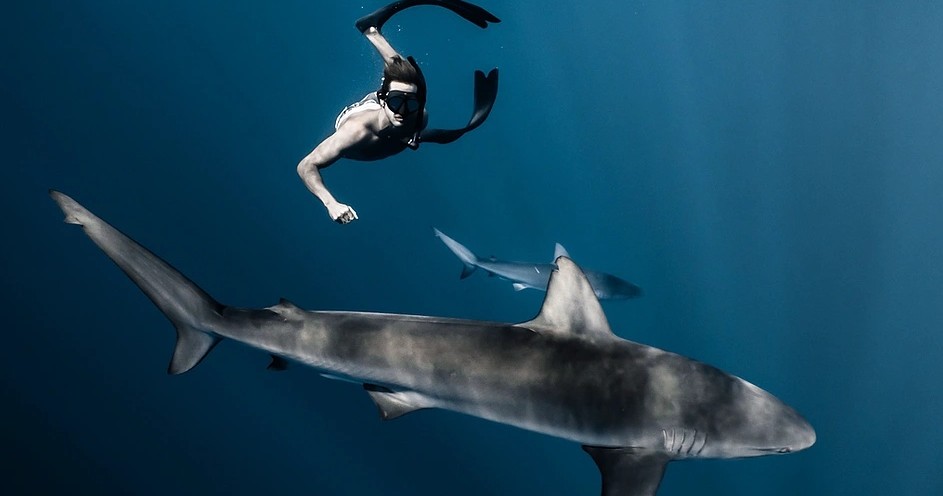
There’s an approachable honesty to Mokuleia diving. Entry points are often simple beach walks, and many popular sites are within a few minutes by tender from small local operators. Visibility can be excellent—glass-like on calm trade-wind days—so colors and textures read clearly even at modest depths. The biological cast is familiar but rich: green sea turtles grazing on algal patches, wrasses and parrotfish carving at coral heads, schools of sweepers and jacks that pick out the edges of bommies. In the right season and conditions you might drift along a reef wall and watch larger animals move past the doorway of your light: rays, occasional reef sharks, and transient pelagics that patrol the deeper seams.
Culturally, diving here comes with a sense of place. The Waianae coastline is less developed than other parts of Oʻahu, and reef stewardship is a growing local priority. Small dive shops and community groups emphasize reef etiquette—reef-safe sunscreen, no-touch policies, and proper buoyancy near fragile coral. For visitors, that means an experience that pairs natural observation with quiet respect. Practically, Mokuleia is also a smart base for combining dives with other coastal pursuits: morning dives followed by surf lessons on nearby breaks, coastal hikes into low ridgelines, or visits to local farms and markets. The tempo is less hurried and more rooted in local rhythms—arrive early, check wind and swell, and let the ocean set the schedule.
From a trip-planning perspective, Mokuleia rewards preparation. Sea states change with the trade winds and occasional winter swells; currents can be present at channel mouths and during tidal swings; and shore entries demand attention to surf and reef run-up. But with a conservative dive plan, a trusted local operator, and an eye for weather windows, divers find Mokuleia to be a stretch of coast that delivers reliable, characterful dives without the crowds. In short: Mokuleia is for divers who value close encounters with reef life, clear-water photography, and the particular calm of the west Oʻahu seascape—an understated but deeply satisfying corner of Hawaii’s underwater world.
The west coast tends toward calmer seas in late spring through early fall, improving visibility and making shore entries straightforward.
Local operators focus on small-group outings; many dives are short boat hops rather than long offshore runs.
Conservation-minded practices are emphasized by shops and community groups—expect and follow reef-safe guidelines.
Best Time to Visit
Best Months
Weather Notes
Calmer seas and clearer water are most common in spring and summer when tradewinds settle. Winter months bring larger north/west swells that can close shore entries and increase surface chop; strong winds reduce visibility and make boat operations choppier.
Peak Season
Summer months (June–August) and holiday weekends when local visitation increases.
Off-Season Opportunities
Winter can produce spectacular pelagic sightings on the right days and increased planktonic activity that attracts larger visitors—expect rougher conditions and occasional beach closures.
Frequently Asked Questions
Do I need certification to dive here?
Yes. Most dive operators require at least an Open Water certification for guided dives. Discover Scuba or introductory experiences may be offered with a confined training component for novices; confirm prerequisites with the operator.
Are there shore dives suitable for beginners?
Yes. Several sites offer shallow, sheltered reef dives that are appropriate for entry-level divers on calm days. Always check surf and currents; some shore access points become unsuitable with even modest swell.
What are typical water temperatures and gear recommendations?
Water temperatures around Oʻahu generally range from the high 70s to low 80s °F (mid-20s to ~28 °C) for much of the year. Many divers use 3mm suits; thermoregulation varies with personal preference and dive duration.
Choose Your Experience Level
Beginner
Protected reef flats and shallow bommies accessed by easy beach entries, ideal for skills practice and calm-condition dives.
- Shallow reef garden shore dive
- Confined-water training followed by a guided shallow reef
- Snorkel and introductory scuba combo
Intermediate
Longer shore-to-reef profiles, modest currents through channels, and short boat runs to deeper bommies; good for improving buoyancy and navigation.
- Channel drift along reef edges
- Boat hop to offshore bommie with 40–60ft depths
- Multi-dive day with surface interval on a quiet beach
Advanced
Drift, deep reef, and occasional blue-water outings where current management, multi-level planning, and strong navigation or experience with large-animal encounters matter.
- Drift dives through deeper channels
- Advanced open-water dives to deeper pinnacles and walls
- Night dives or pelagic-focused excursions on experienced operator trips
Insider Tips & Local Knowledge
Check daily wind, swell, and tide forecasts; coordinate with local shops for current conditions and recommended sites.
Start early—mornings tend to be the calmest window for the west coast. Book small, locally owned operators who know tide and channel behavior; they’ll pick launch points and entry methods tailored to the day’s conditions. Prioritize reef-safe sunscreen and leave no gear on the reef—local stewardship is part of visiting. Bring an SMB for any shore or drift dive, and run thorough pre-dive checks; if surf is present, practice controlled entries and exits with your buddy. Finally, combine a dive day with a shoreline hike or visit to local farms and beaches to get the full Mokuleia rhythm—slow, attentive, and coastal.
What to Bring
Essential
- Diving certification card (Open Water minimum)
- Logbook and dive computer
- Reef-safe sunscreen and sun protection
- Mask, snorkel, and well-fitting fins
- Wetsuit (3mm–5mm depending on tolerance)
Recommended
- Surface marker buoy (SMB) and reel for drift or shore dives
- Reef hook or light gloves are discouraged; practice neutral buoyancy instead
- Spare mask and basic repair kit
- Small dive light for crevice work and night dives
Optional
- Underwater camera or compact wide-angle housing
- Defog solution for mask
- Ear drops if prone to congestion during descent
Ready for Your Scuba Adventure?
Browse 141 verified trips in Mokuleia with instant booking
Explore Top 15 Mokuleia, Hawaii Adventures →