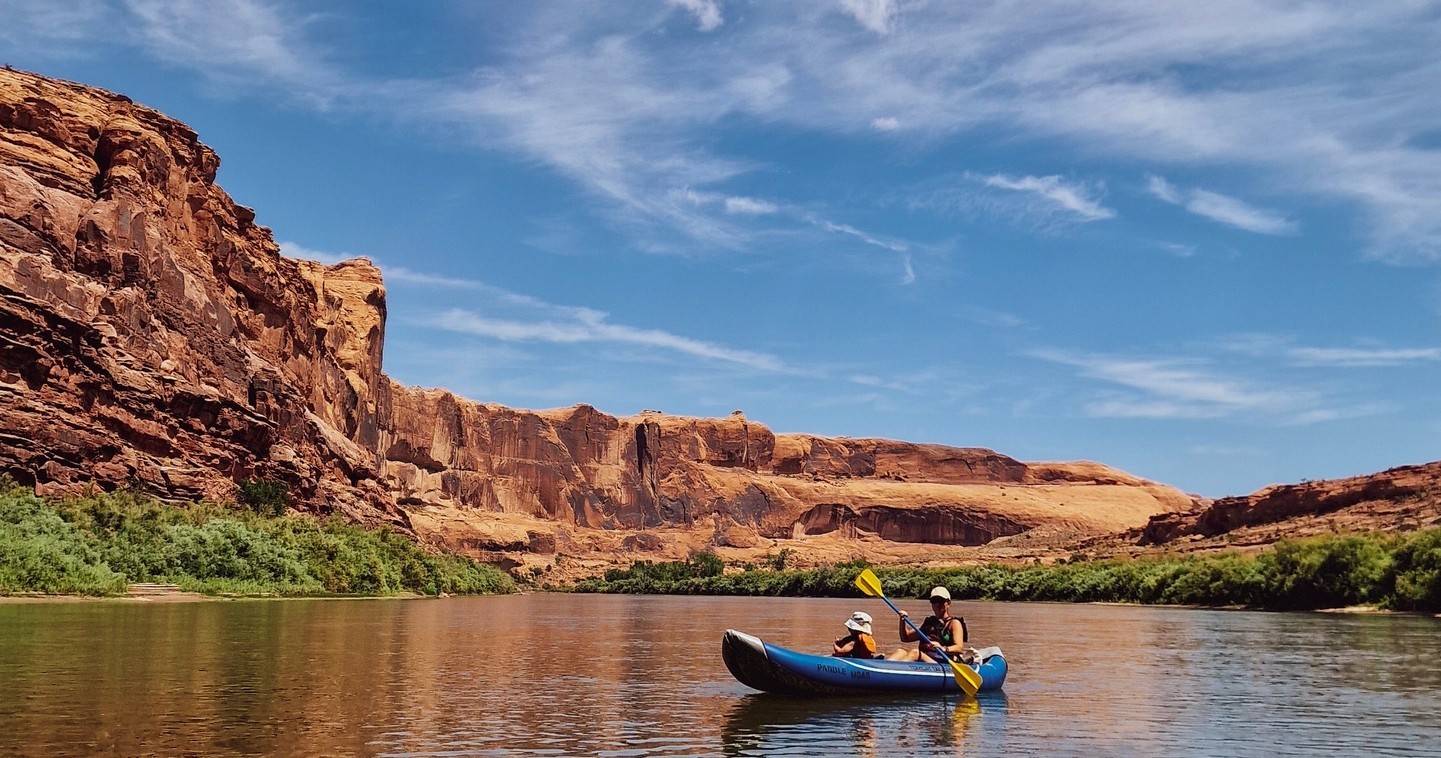
Top 10 Kayak Adventures in Moab, Utah
Red-rock amphitheaters, broad desert skies, and rivers that carve cinematic canyons: Moab is a place where kayaking feels less like a sport and more like a moving portrait of geology. From calm, reflective floats beneath towering sandstone to punchy whitewater runs that thread slot-canyon exits, Moab's paddling options mix technical challenge with an unmatched desert aesthetic. This guide focuses on the kayaking experiences that define the area—day trips, overnight river runs, and scenic flatwater paddles—plus the practical planning notes to help you pick the right trip for skill, season, and appetite for adventure.
Top Kayak Trips in Moab
10 trips • Book with confidence • Instant confirmation
Why Moab Is a Standout Kayaking Destination
To paddle in Moab is to move through time. The Colorado and Green rivers here are not only conduits of water; they are living exhibits of erosion, revealing tilted cliffs, cross-bedded sandstone, and the fossils of ancient dunes. A morning launch in spring or early fall can put you under red walls that glow like embers as the sun rises, with only the sound of paddles and the occasional canyon wren for company. That drama is the first draw: water cutting through a high desert canvas, and a sense that every bend could be the postcard view you came for.
But beyond scenery, Moab's paddling variety is unusually broad for a desert town. Within an hour you can go from placid, reflective floats—ideal for photography, families, and SUP—to technical river runs that demand precision and experience. The Green River's labyrinths and the Colorado's stretches through Canyonlands offer different flavors: the Green often feels more remote and contemplative, whereas the Colorado can present broader channels, sculpted side canyons, and in certain reaches, steep, barrel-like waves. Multi-day expeditions let you sleep below cliff bands and wake to starlit camps; day trips let you taste canyon solitude and then be back in town for a cold beer and a review of the day's lines.
Local history and ecology thread through each outing. Indigenous peoples have navigated these rivers for centuries, and modern river trips pass archaeological sites, pictographs cut into sheltered alcoves, and riparian corridors rich with cottonwood and willow where desert wildlife gathers. Awareness and stewardship matter: these are living systems in a fragile landscape, and paddlers become temporary custodians of water, campsites, and cultural sites.
Finally, Moab's broader adventure culture amplifies the kayaking experience. It sits at the crossroads of rock climbing, mountain biking, canyoneering, and desert hiking—so a paddling trip can be one chapter in a multipronged outdoor itinerary. That accessibility, combined with dramatic canyon scenery and a surprisingly diverse set of river experiences, is why paddlers keep returning. Whether you're chasing mellow morning glass, practicing boat skills in mild rapids, or planning a multi-day canyon expedition, Moab delivers a visceral, elemental paddling world unlike most other desert destinations.
The geographic contrast is key: broad desert plateaus above, cool riparian corridors along the river. That contrast produces unique light and calm, especially at dawn and dusk.
River choices range from short guided floats near town to multi-day canyon passages. Your skill level and willingness to camp will determine the best loop.
Because rivers here traverse public lands and sensitive sites, learn Leave No Trace principles, respect cultural resources, and follow outfitter and ranger guidance.
Best Time to Visit
Best Months
Weather Notes
Spring and fall bring the most comfortable air temperatures and stable river conditions. Summer days can be hot; early starts or late-afternoon paddles are common. Sudden thunderstorms in summer can produce dangerous runoff in side canyons. Winter paddling is possible but colder; pay attention to water temperature and hypothermia risk.
Peak Season
Late spring and early fall are busiest for guided trips and rentals.
Off-Season Opportunities
Late fall and winter offer solitude and lower crowds; some outfitters reduce schedules, and cold-water preparedness is essential.
Frequently Asked Questions
Do I need permits to kayak near Moab?
Permit requirements depend on the river section and whether your trip is a day float or an overnight expedition. Some multi-day river corridors and popular launch areas may require reservations or permits; check with local land managers and outfitters before planning.
Are there rental and guided options for beginners?
Yes. Local outfitters offer guided flatwater floats, introductory lessons, and day trips tailored to beginners. Guided trips are the easiest way to learn river etiquette and route-specific hazards.
What level of experience is required for canyon runs?
Skill requirements vary by stretch. Gentle flats and low-gradient sections suit beginners; technical rapids and long canyon runs require whitewater experience, rescue skills, and sometimes specialized boats and safety gear.
Choose Your Experience Level
Beginner
Calm flatwater floats near town, slow-moving stretches with scenic views, and short guided trips that emphasize safety and basic paddling techniques.
- Town-area reflective float on placid sections of the Colorado River
- Guided family-friendly river excursion with frequent rest stops
- SUP or tandem kayak photoshoot paddle near scenic cliffs
Intermediate
Longer day trips that include moderate current, occasional riffles or small ledges, and paddling through narrow canyon sections where route-finding and edging matter.
- Half-day guided canyon paddle with brief technical sections
- Self-guided float with a few swift runs and eddy hopping practice
- Combo trip: morning paddle followed by afternoon hike or mountain bike ride
Advanced
Multi-day canyon expeditions and technical whitewater runs that require advanced boat control, scouting, self-rescue skills, and wilderness camping experience.
- Multi-day descent through remote canyon reaches with overnight river camps
- Technical whitewater runs in canyon constrictions (class III+ features)
- Combined expedition that links paddling with canyoneering or cross-country routes
Insider Tips & Local Knowledge
Confirm current conditions, access rules, and outfitters' guidance before you launch.
Start early for smooth water and cooler temperatures—midday winds and thermals often pick up in the afternoon. Talk to several outfitters or river rangers about flow rates, put-in/take-out logistics, and recent trail or boat ramp conditions; local knowledge is invaluable. If you plan a multi-day trip, scout campsite rules and bring a permit or reservation if required. Rivers in the region can change with snowmelt and dam releases—expect varying currents and read the water before committing to technical lines. Pack sun protection and layers: the sun in a desert canyon is intense, but mornings and evenings can be chilly. Finally, pair a paddle day with other Moab staples: ride an iconic slickrock trail, climb a short route, or stroll in Canyonlands for a fuller sense of the landscape.
What to Bring
Essential
- USCG-approved Personal Flotation Device (PFD)
- Helmet (for class II+ or technical stretches)
- Dry bags for electronics and layers
- River shoes or secure sandals
- Sun protection: hat, high-SPF sunscreen, sunglasses with retainer
- Water and high-energy snacks
Recommended
- Spray skirt (for tandem or whitewater kayaks where appropriate)
- Quick-dry layers and an insulating top for early starts
- Spare paddle and basic field-repair kit
- Map or GPS and knowledge of put-in/take-out points
- First-aid kit and signal device (whistle, mirror)
Optional
- Lightweight camp chair or sit pad for river camps
- Camera with waterproof housing
- Binoculars for bird and wildlife viewing
- Fishing license and gear if combining angling with paddling (check local regs)
Ready for Your Kayak Adventure?
Browse 10 verified trips in Moab with instant booking
Explore Top 15 Moab, Utah, United States Adventures →