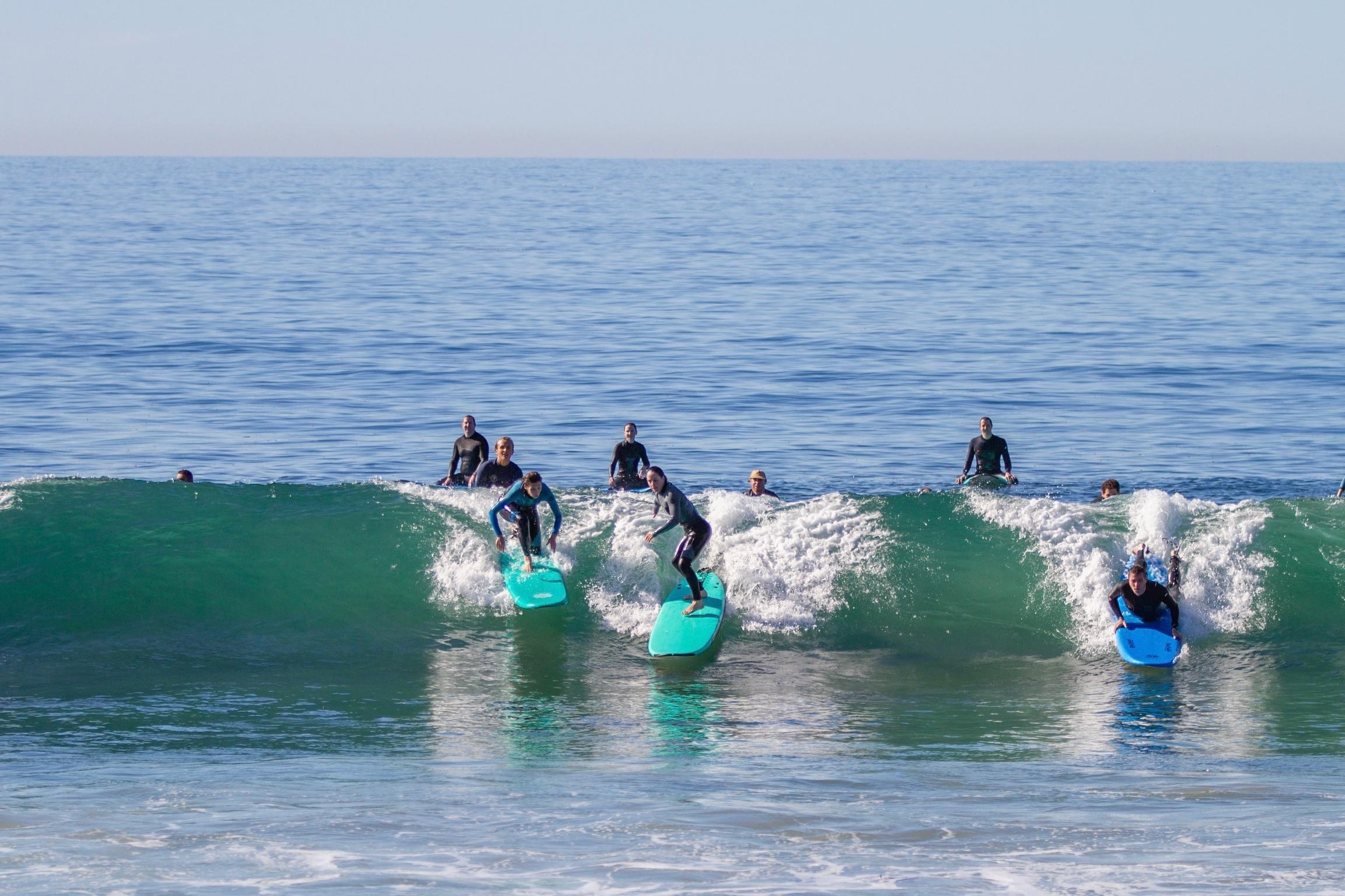
Surfing Near Mission Viejo, California: Top Spots, Seasonal Swells & Practical Tips

Mission Viejo, California

Mission Viejo sits inland but lives by the tide. For surfers based here, the Pacific’s best breaks are a short drive away—ranging from mellow longboard points to world-class reef and cobble point waves. This guide focuses on surf as the primary pursuit: where to go from Mission Viejo, what seasons and swell patterns matter, how to match conditions to ability, and the local logistics that make a surf trip smooth or chaotic. Expect practical pointers on tides, wetsuit choices, transport, and complementary activities—beachside yoga, tidepool strolls, and coastal trail runs—that round out a day chasing waves.

23
Activities
Year‑Round (best swells late summer–winter)
Best Months

Top Surf Trips in Mission Viejo

23 trips • Book with confidence • Instant confirmation

Why Mission Viejo Works for Surf Travelers

Mission Viejo is a suburban hub with a paradoxical advantage for surfers: you sleep inland, but the coast is always within reach. That proximity turns surf into an accessible daily habit rather than an expedition. Mornings can begin with a quick coffee and a 20–40 minute drive to a choice of breaks—protected, user-friendly beaches for learning or high-performance points that reward precision and commitment. For travelers who prefer base-camping a few miles from the coast, Mission Viejo offers quieter evenings, easy parking at home-away-from-home, and a launchpad for day-by-day surf strategy.

The broader Orange County coastline nearby is famously diverse. Within a short drive you can choose Doheny’s forgiving peaks and longboard culture, Salt Creek’s punchy rights and reef transitions, or the world-class right at Lower Trestles when the swell lines up. Each spot carries distinct rhythms—tide windows, wind directions, and crowd dynamics—that shape how a single week of surf can feel like several different trips. That variety is one reason visitors and locals alike use Mission Viejo as a practical surf base.

There’s also a seasonal logic that rewards flexible planning. Summer often brings smaller, cleaner surf on morning south swells and lighter offshore winds—perfect for learners and longboard sessions. Late summer into fall keeps swell energy consistent from southern hemi storms, producing fun, rideable days across most breaks. Winter ushers in larger northwesterly groundswell and storm-driven surf that lights up reef and point breaks; these days are for experienced surfers or for watching from bluffs when conditions turn critical. Through all seasons, wind and tide windows determine whether a drive ends in a surfable morning or a parking lot of disappointed boards. Learning local tide lines (and where to park) shortens that learning curve.

Beyond waves, surf trips from Mission Viejo are complemented by coastal hikes, tidepool exploration, and food culture centered on the water—seafood stands, casual surf cafes, and a scattering of reputable surf shops for rentals and guide services. Whether you’re after daily surf practice, a surf school weekend, or scouting a contest-level swell, Mission Viejo’s location makes the Southern California coast feel like an accessible playground rather than a distant ambition.

The real convenience is rhythm—early drive, prime window, lunch at the pier, and an afternoon spent dryland training or exploring local hikes before an evening surf report check.

Skill progression is easy to map here: start on the softer, sandier breaks and graduate toward reef and point breaks when timing and technique improve.

Activity focus: Surfing & Coastal Wave Travel
Mission Viejo is 15–40 minutes from most Orange County beaches (traffic dependent)
Beaches nearby range from beginner-friendly sandbars to advanced reef/point breaks
Wind, tide, and swell direction strongly control daily conditions
Summer offers cleaner small-swell windows; fall–winter brings more consistent swell energy

Best Time to Visit

Best Months

AugustSeptemberOctoberNovemberDecemberJanuaryFebruaryMarch

Weather Notes

Southern California surf is shaped by swell source and local winds. Mornings are often the calmest; afternoons tend toward onshore breeze, especially in summer. Water temperature ranges from roughly 58°F–68°F (15°C–20°C); 3/2mm to 4/3mm suits are typical in cooler months, while spring and summer sessions may be fine in 2/2mm or springs depending on personal tolerance.

Peak Season

Late summer through winter swells (roughly August–March) bring the most consistent and varied surf conditions across nearby breaks.

Off-Season Opportunities

Summer can offer smaller, cleaner longboard-friendly days—ideal for lessons and progression. Weekday mornings outside of holiday windows are quieter for practicing fundamentals.

Frequently Asked Questions

How far is the nearest surf from Mission Viejo?

Most Orange County beaches are roughly a 15–40 minute drive depending on destination and traffic—Doheny and Dana Point tend to be the quickest options.

Are there places to rent surfboards and get lessons nearby?

Yes. Coastal towns near Mission Viejo have multiple surf shops offering rentals, lessons, and guided sessions—particularly at family-friendly breaks like Doheny and some San Onofre access points.

Which wetsuit thickness should I pack?

For most year-round surfers in Orange County, a 3/2mm full suit works for cooler mornings and shoulder seasons. A 4/3mm is comfortable in winter; springsuits or 2/2mm suits are often fine in late summer depending on personal preference.

What about crowds and local etiquette?

Popular breaks can be crowded during prime swell windows, weekends, and holidays. Observe lineup etiquette, don’t drop in, and respect local priorities—especially at well-known points and reef breaks.

Choose Your Experience Level

Beginner

Gentle, sandbar-sheltered beaches with mellow peaks and forgiving whitewater. Ideal for first-timers, longboard lessons, and practicing pop-ups.

  • Lesson and rental session at Doheny Beach
  • Small-wave longboard practice at San Onofre (Old Man's)
  • Morning foam-time at a protected municipal beach

Intermediate

Peaks with more push and occasional sections—requires timing, paddle strength, and basic wave-reading. Best for surfers refining turns and catching unbroken faces.

  • Right-hander sessions at Salt Creek (Dana Point) on mid swells
  • Working on bottom turns and cutbacks at some Newport and Laguna beach breaks
  • Tide-window sessions at south-facing sandbars

Advanced

Fast reef and point breaks with hollow sections and higher consequence entries/exits. Requires experience with currents, positioning, and local etiquette.

  • High-performance right at Lower Trestles when the swell lines up
  • Big, punchy days at Salt Creek or exposed reef breaks
  • Competition-level surf scouting and wave-hunting along the San Clemente coast

Insider Tips & Local Knowledge

Check tide, swell, and wind forecasts before you drive. Respect seasonal closures and private parking rules. If you're unsure about a break, watch a few sets from the sand first.

Plan for windows, not just days: many breaks come alive around specific tide ranges and calm morning wind windows. If you’re commuting from Mission Viejo, aim for early starts to beat traffic and secure parking—popular lots fill fast on contest days and weekends. When trying a new spot, scout on low tide to learn entry and exit points; reef and cobble beaches can be unforgiving without local knowledge. Carry cash or a small card for metered lots and tip guides or instructors who help you find consistent waves. For rentals and quick tune-ups, stop by reputable surf shops in Dana Point or San Clemente rather than improvising on busy beach days. Above all, surf courteously: dropping in, cutting people off, or skipping local priority is the fastest way to sour a session. Finally, combine surf days with tidepool walks, coastal hikes, and post-surf meals at beachside cafes to make the most of the coastline beyond the lineup.

What to Bring

Essential

  • Appropriate surfboard(s) for expected conditions (longboard for small, step-up for bigger days)
  • Leash and wax suitable for water temperature
  • Wetsuit (see recommended thickness below) and booties if needed
  • Sun protection (reef-safe sunscreen, hat for beach time)
  • Water, snacks, and a small first-aid kit

Recommended

  • A tide and swell app or nautical charting app for planning windows
  • Roof racks or secure board straps for transport
  • Reef booties for rocky entry/exit at reef breaks
  • Spare fin set and basic surf tools (fin key, leash repairs)

Optional

  • Portable surfboard repair kit for dings
  • Portable changing poncho for beachside swaps
  • Dry bag for phone, keys, and warm layers

Ready for Your Surf Adventure?

Browse 23 verified trips in Mission Viejo with instant booking

Explore Top 15 Mission Viejo, California Adventures →