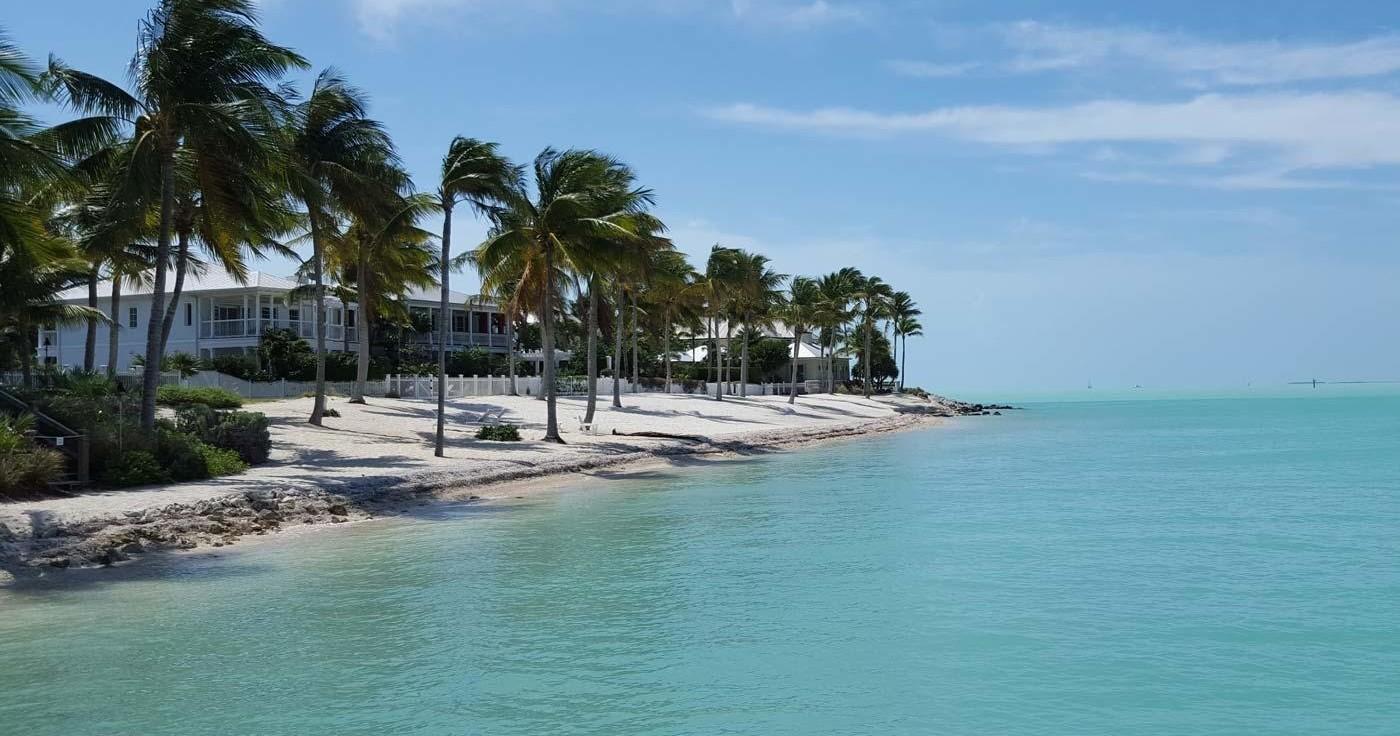
Kayaking in Miramar, Florida

Miramar, Florida

Miramar’s waterways are an intimate, often overlooked entry point to South Florida paddling: a network of canals, estuarine edges, and green corridors that give kayakers quick access to wildlife-lined mangroves and the vast freshwater systems that feed the Everglades. This guide focuses strictly on kayaking in and around Miramar — from calm canal spins to half-day pushes toward mangrove tunnels and wetland shorelines — with practical advice for planning, safety, and seasonality.

43
Activities
Year-Round
Best Months

Top Kayak Trips in Miramar

43 trips • Book with confidence • Instant confirmation

Why Miramar Works for Kayakers

Miramar sits at a subtle crossroads: not a headline coastal town, but a city whose canals and green corridors thread into the larger hydrology of Broward County and the Everglades. Kayaking here is a study in contrasts — quiet, residential waterways that open into broad marsh edges, mangrove skirting where birds and fish find refuge, and short routes that can be stitched together into longer trips for paddlers who want more. The water is approachable; paddle strokes are rewarded with close encounters of the avian kind, and, depending on where you choose to launch, a sense of solitude that’s rare in South Florida’s busier beach towns.

Beginner paddlers appreciate Miramar because routes tend to be sheltered: canals and backwater arms buffer wind and swell, creating predictable conditions for learning fundamentals like tracking and bracing. At the same time, intermediate paddlers can plan longer outings that probe tidal mangrove mouths and freshwater canal systems that hint at the Everglades’ edge. Seasonally, the narrative changes: winter brings clearer skies and cooler mornings, ideal for dawn launches; summer delivers lush growth, dramatic late-afternoon thunderstorms, and a surge of insect activity that shifts packing needs.

Practically, Miramar is a launchpad to complementary outdoor activities. A morning paddle can be matched with a bike through nearby greenways, a picnic at a regional park, or a short drive to coastal estuaries and barrier-island launches for sea kayaking and snorkeling. For those chasing biodiversity, the mix of freshwater and brackish habitats within a short radius increases chances to spot wading birds, turtles, and the critters of the mudflat world — but also requires respect for local wildlife and a practiced awareness of safety on the water. In short: Miramar’s paddling isn’t about dramatic ocean swells; it’s about intimate, practical access to South Florida’s layered wetlands and a chance to paddle like a local.

Sheltered canals make Miramar an excellent place for skill-building and family paddles. Routes are typically short and easy to access from neighborhoods and small boat launches, so you can plan half-day trips with minimal transit or gear fuss.

The ecological variety here—freshwater canals, mangrove fringes, and marsh edges—creates a compact paddling curriculum. You’ll learn how tides, wind, and freshwater outflows change conditions across just a few miles.

Miramar’s proximity to the Everglades means paddlers can pair a local canal run with longer eco-focused trips led by outfitters who know the region, or use the city as a quiet home base away from busier coastal launch points.

Activity focus: Paddling — recreational & exploratory kayaking
Most routes are sheltered canals and estuarine edges rather than open ocean
Suitable for families, skill-building, and wildlife viewing
Water conditions can change quickly with wind, tide, and freshwater releases
Wildlife encounters are common—maintain respectful distance

Best Time to Visit

Best Months

NovemberDecemberJanuaryFebruaryMarchApril

Weather Notes

Winter and spring offer the most comfortable paddle conditions — cooler air, fewer mosquitoes, and lower humidity. Summer brings high heat, humidity, and frequent afternoon thunderstorms; it also increases insect activity and can alter water clarity after heavy rains. Hurricane season (June–November) can influence access and safety during storm events.

Peak Season

December through March (mild temperatures and seasonal visitors)

Off-Season Opportunities

Summer and early fall provide quieter waterways and abundant green growth; mornings are best to avoid heat and storms. Lower visitation can mean more intimate wildlife sightings, but plan around afternoon thunderstorms.

Frequently Asked Questions

Do I need a permit to kayak in Miramar canals?

Regulations vary by launch site and adjacent preserves. Many public launch points are free to use, but some parks and preserves may charge parking fees or require timed entry. Check local park websites or municipal resources before you go.

Are there kayak rentals and guided trips nearby?

Yes. Miramar itself is more of an access hub; nearby towns and outfitters offer rentals and guided eco-tours that connect canals to larger estuaries and Everglades-side routes. Booking a guide is a good option for first-time locals or trips that cross tidal or protected areas.

Is wildlife a safety concern?

Wildlife adds to the experience but requires caution. Maintain distance from nesting birds and marine life; fresh-water canals can host alligators in some areas—do not approach, feed, or harass wildlife and follow posted safety guidance.

Choose Your Experience Level

Beginner

Short, sheltered canal spins and calm estuarine arms perfect for learning balance, basic strokes, and low-stress wildlife viewing.

  • Neighborhood canal loop
  • Short mangrove-edge paddle with frequent shoreline stops
  • Family-friendly half-hour launch-and-return

Intermediate

Longer outings that combine multiple canal segments, tidal mouths, and mangrove channels. Requires navigation awareness and basic tide and wind planning.

  • Multi-canal link between greenways
  • Tidal mangrove exploration at lower wind
  • Morning-to-midday circuit ending at a park picnic spot

Advanced

Extended pushes that demand route planning, an ability to read tides and currents, and comfort with unexpected weather changes; often involves shuttles or coordination with outfitters.

  • All-day expedition toward larger estuarine systems
  • Shuttle-supported trip connecting inland canals to coastal launches
  • Night or low-light navigation with proper safety gear

Insider Tips & Local Knowledge

Confirm launch access, parking rules, and weather alerts before you launch; many sites have limited facilities.

Start at first light in summer to beat heat and afternoon storms. Tides and recent rainfall radically affect canal depth and current—check local tide charts and recent weather reports if your route reaches tidal mangroves. Wear a PFD at all times; sheltering in narrow mangrove channels can hide wind but also limit escape routes if conditions change. Leave no trace—pack out trash and avoid disturbing shoreline vegetation. If you’re new to the area, consider a guided tour for orientation: local outfitters can point out seasonal hotspots, safe launch points, and wildlife behavior to watch for.

What to Bring

Essential

  • USCG-approved life jacket (PFD) — wear it
  • Sunscreen, sun hat, and UV-protective clothing
  • Plenty of water and electrolyte snacks
  • Phone in waterproof case or VHF for longer outings
  • Dry bag for keys, documents, and spare layers

Recommended

  • Lightweight reef or water shoes (canal launches can be muddy)
  • Basic paddle repair kit and spare leash
  • Map or downloaded GPS route (cell service can be spotty in green corridors)
  • Bug spray for marshy shorelines, especially in summer

Optional

  • Binoculars for birding
  • Small first-aid kit
  • Camera or action-cam on a tether
  • Foul-weather layer for sudden showers

Ready for Your Kayak Adventure?

Browse 43 verified trips in Miramar with instant booking

Explore Top 15 Miramar, Florida Adventures →