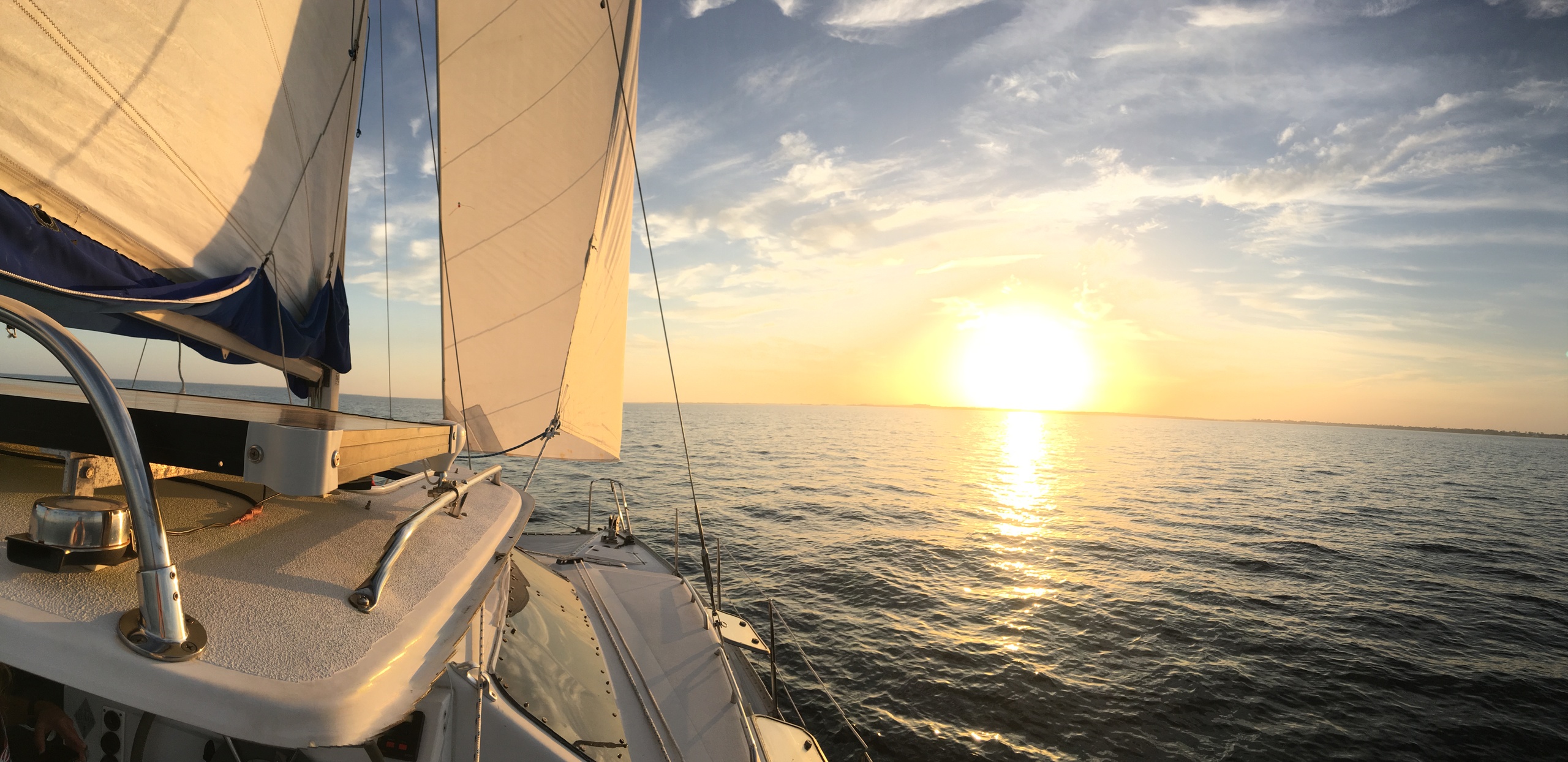
Sailing in Milton, Florida: An Essential Guide
Milton is where lazy river bends meet an urgent urge to unfurl sails. Set at the head of the Blackwater watershed and within easy reach of the Gulf, Milton is a quietly superb base for sheltered river sailing, estuary cruising, and short coastal hops. This guide focuses on the sailing-specific terrain, seasonal rhythms, launch and charter options, and the practical know-how to plan your next on-water escape.
Top Sailing Trips in Milton
26 trips • Book with confidence • Instant confirmation
Why Sail Around Milton, Florida
Milton sits at an understated crossroads of inland waterway and nearshore Gulf opportunity. From a sailor’s viewpoint the appeal is obvious: protected, tree-lined river corridors that open into broad, tidal bays and a nearby coastline that can be explored in short, satisfying passages. The Blackwater and its companion estuaries offer sheltered conditions for learning sail handling, practicing navigation in narrow channels, and watching shorebirds migrate along salt marsh edges. At the same time, the nearby Gulf passages give a taste of blue-water sailing without committing to long offshore legs—ideal for sailors who want varied conditions in a single trip.
The landscape pushes the experience toward contrasts. On a calm morning the river presents a glassy mirror threaded with cypress and palmetto reflections; by afternoon, steady sea breezes can build into a lively reach across open bay water. This variability makes Milton an excellent practice ground: gentle days for novices and tactical, current-aware sailing for more experienced crews. Wildlife is part of the classroom—dolphins in the bay, ospreys over the marshes, and the occasional manatee in slow, protected waters—so itineraries often balance performance with plenty of stops for observation and quiet anchoring.
Historically, towns along these waterways evolved as trade and transport hubs; today those same channels serve recreation and access. Launch points and small marinas around Milton cater to a mix of small sailboats, trailer sailors, and local charters. For travelers the town’s scale is an advantage: you can rig, provision, and push off within minutes, then be anchored in a quiet cove before lunch. That accessibility also supports short multi-day circuits—easy overnights at protected anchorages give the feel of coastal cruising without the logistics of a long passage.
Practical considerations shape trip planning here. Tides and tidal currents influence route choice more than dramatic open-ocean swell, and wind patterns have a daily beat—sea breezes are most reliable in spring and summer while frontal systems in fall and winter can produce brisk northerlies. Summer brings heat, humid air, and a higher risk of afternoon thunderstorms; late summer and early fall are also hurricane season, which requires advance attention to forecasts and contingency plans. For most sailors, the sweet windows are spring and late fall when temperatures are comfortable, winds are consistent, and the water traffic is lighter than peak summer weekends.
Finally, Milton’s sailing is as much about complementing experiences as it is about the time on deck. Kayaking sheltered creeks, hiking short riverside trails, and sampling Gulf seafood at waterfront restaurants all slot neatly into a sailing itinerary. Whether you’re learning points of sail on protected water, plotting a bay-hopping weekend, or fine-tuning coastal navigation, Milton offers straightforward, fulfilling sailing that feels both intimate and open-ended.
Varied waters: narrow, winding river channels for sheltered practice and broader bays for open-water sailing.
Accessible launch options and small marinas support trailer sailors and day-charter operations.
Wildlife and salt-marsh scenery make for mellow anchorages and excellent birding from deck.
Seasonal wind patterns (reliable sea breezes in warm months; cooler northerlies with winter fronts) shape daily plans.
Ideal training ground for coastal cruising—short passages let you practice tides, currents, and navigation without overnight passages that are too long.
Best Time to Visit
Best Months
Weather Notes
Spring and fall provide the most comfortable temperatures and steady sea breezes; summer brings heat, higher humidity, and frequent afternoon thunderstorms. Hurricane season runs June–November—plan contingency and evacuation points for extended trips.
Peak Season
Spring and early fall (pleasant temperatures, reliable winds, and local boating events).
Off-Season Opportunities
Winter offers quieter waterways and brisk sailing on northerly fronts; bring warm layers and watch short-term weather systems for strong winds.
Frequently Asked Questions
Do I need permits or special launch permits to sail out of Milton?
Most public boat ramps and marinas allow recreational launching without a special sailing permit, but some facilities charge launch or slip fees. Check local marina rules and any protected area regulations before you go.
Are charters or sailing lessons available locally?
There are regional charter and instruction options—look for local sailing schools, skipper-for-hire services, and marinas that book day sails or bareboat charters. Availability can vary seasonally; reserve in advance for spring and fall weekends.
How do tides and currents affect routes?
Tidal flows in the estuaries and bays can change transit times and handling; plan passages to avoid fighting strong tidal currents and consult local tide/current tables for narrow channels.
Choose Your Experience Level
Beginner
Protected river stretches and calm bay days are ideal for learning basic sail trim, docking, and short navigation. Perfect for single-day sails with minimal exposure to open water.
- Introductory sail on the Blackwater River
- Protected bay day-sail with nearby anchorage
- Hands-on sailing lesson at local marina
Intermediate
Longer day sails across bays, practicing tidal planning and coastal navigation. Crews should be comfortable with basic seamanship, anchoring, and VHF communications.
- Bay-hopping to neighboring coves and inlets
- Overnight anchorage in a protected marsh cove
- Practice passages that include tidal sections
Advanced
Offshore-leaning coastal passages, night navigation, and multi-day circuits that require strong weather planning, offshore seamanship, and knowledge of hurricane-season contingencies.
- Coastal transit to nearby barrier islands or Gulf waypoints
- Advanced tidal-current navigation exercises
- Weekend coastal cruise requiring anchorage selection and off-shore briefing
Local Knowledge & Practical Tips
Check weather and marine forecasts before departure and have an alternate plan for storm or squall activity.
Launch early to capitalize on morning calm before sea breezes build—many successful days start before 0800. Pay attention to tidal windows for narrow channels; timing a transit with the tide can save fuel and avoid uncomfortable current. Use local marinas as briefing points: staff can advise on shallow areas, recent shoaling, and preferred anchorages. In summer, expect afternoon thunderstorms—plan passages for the morning and secure a sheltered anchorage by early afternoon. If you’re trailering a sailboat, arrive during off-peak hours on weekends to find slip space and avoid congestion at ramps. Respect wildlife: keep distance from dolphin pods and nesting shorebirds, and avoid anchoring in seagrass beds when possible. Finally, have a simple hurricane plan on file—know nearest haul-out options or safe harbors if you’re staying through the season.
What to Bring
Essential
- PFDs (life jackets) for all aboard
- VHF radio (handheld or fixed) and charged phone in waterproof case
- Charts and tide/current reference for local waterways (digital or paper)
- Sun protection (hat, sunscreen, UV clothing)
- Basic tool and emergency kit (fuses, shackles, line, multi-tool)
Recommended
- Light foul-weather jacket and quick-dry layers
- Anchor and rode suitable for mud and shell bottom
- Binoculars for navigation and wildlife viewing
- Portable battery/charger and headlamp
- Spare shore lines and docking fenders
Optional
- Snorkel gear for shallow bay stops
- Inflatable kayak or paddleboard for exploring creeks
- Small cooler with ice for day sails
- Waterproof bag for camera and electronics
Ready for Your Sailing Adventure?
Browse 26 verified trips in Milton with instant booking
Explore Top 15 Milton, Florida Adventures →