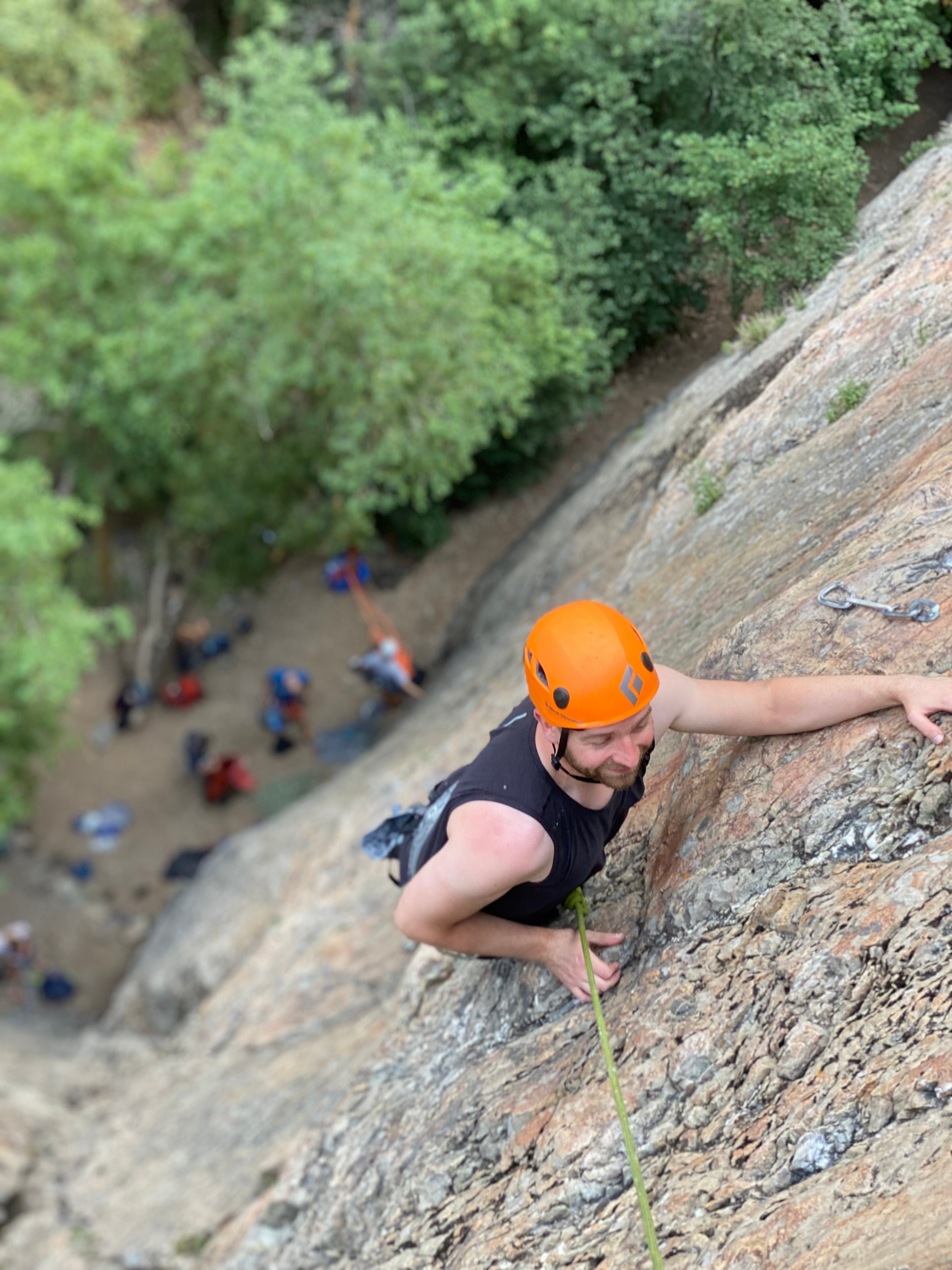
Top 9 Climbing Adventures in Millcreek, Utah
Within ten minutes of downtown Salt Lake City, Millcreek offers compact, high-quality climbing that pairs short approaches with varied rock and big-mountain scenery. This guide focuses on the climbing — crags, boulder fields, and short trad lines — that make Millcreek a regular training ground for locals and a convenient escape for visiting climbers.
Top Climbing Trips in Millcreek
9 trips • Book with confidence • Instant confirmation
Why Millcreek Is a Standout Climbing Area
Millcreek sits like a rehearsal stage for climbers: close enough to the city for a sunrise session and wild enough to feel like a committed day out. The canyon cuts north-south through the Wasatch Range and offers a mosaic of climbing experiences condensed into short approaches and compact crags. You can top-rope a steep face, warm up on low-angle slabs, boulder through a technical sequence, or piece together trad moves on short hand- and finger-cracks — all within a single morning. That proximity reshapes the climbing routine here; routes are frequently climbed as part of a commute-style practice rhythm rather than a full-on expedition. For visiting climbers, Millcreek is a practical primer: it’s where you sharpen footwork, dial in beta, or introduce friends to sport or bouldering without the logistical overhead of a long alpine approach.
The landscape is intimate but varied. Bolted lines coexist with older trad pins and natural protection, so climbers should expect a mix of hardware and an ethic that prizes careful route assessment. The rock is serviceable and often featured in short, punchy pitches rather than endless multi-pitch faces — this creates many “sessionable” problems for top-ropers and sport lead practice. Because approaches are short, weather can be a decisive factor: afternoons warm quickly, thunderstorms can build in summer, and winter freezes the canyon into an icy, technical playing field. Conservation and local access matters here; Millcreek’s trails see heavy use, and responsible climbing practices—low-impact belay stances, proper disposal of chalk and tape, and attention to seasonal closures—are essential to maintaining access.
Beyond the rope, Millcreek’s climbing neighborhood connects easily to other outdoor activities. Hikers and trail runners share the same trailheads, and a short drive delivers mountain-bikers and alpine routes elsewhere in the Wasatch. Food and gear stops in nearby Salt Lake City let you treat a crag day like a full travel itinerary: morning on the rock, afternoon coffee and route reading, and sunset laps on a nearby trail. For those who want instruction, local guiding services based out of the valley run clinics and guided climbs that use Millcreek as a practical classroom. In short, Millcreek is less about single heroic lines and more about a connected climbing culture: quick access, frequent climbs, and a range of terrain that suits warm-ups, skill-building, and short adventures that still feel consequential.
For visitors, Millcreek’s value is logistical: short approaches, a variety of route styles, and proximity to Salt Lake City make it an ideal stop for a half- or full-day climbing session without committing to a long drive.
Local access and stewardship are central. Climbing here relies on considerate behavior, seasonal awareness, and cooperation with trail managers—so pack out what you pack in and respect any posted closures.
Best Time to Visit
Best Months
Weather Notes
Spring and fall offer the most comfortable climbing temperatures. Summer mornings are pleasant but afternoons can warm quickly and produce thunderstorms. Winter brings freezing conditions and potential ice — many routes are not climbable without ice tools and winter-specific experience.
Peak Season
Late spring to early fall (May–September) sees the most climbers, particularly on weekends.
Off-Season Opportunities
Early spring and late fall can provide solitude and crisp, stable weather windows for climbing; winter offers mixed and ice climbing for experienced parties with appropriate gear.
Frequently Asked Questions
Do I need permits to climb in Millcreek?
There is no universal special climbing permit for day use, but access rules and seasonal vehicle restrictions along canyon roads can change. Check local land manager notices and Millcreek Canyon access information before you go.
Are anchors and bolts reliable?
Anchor quality varies by route and sector. Many sport lines are bolted and well-maintained, but older anchors and trad placements require inspection and good judgment. Bring basic trad gear if you expect to place pro, and consider top-roping established anchors when available.
Is Millcreek suitable for beginner climbers?
Yes — there are approachable top-rope and bouldering areas ideal for beginners. For lead climbing or trad, take a clinic or go with an experienced partner or guide.
Choose Your Experience Level
Beginner
Short top-rope sectors and low boulder problems are ideal for people learning movement, knots, and belaying techniques.
- Top-rope warm-up circuits
- Low bouldering sessions
- Introductory skills clinic
Intermediate
Sport lead climbing, short trad routes, and route-linking for longer laps are common objectives for intermediate climbers.
- Sport lead practice on bolted lines
- Short multi-pitch simulation with single-pitch anchors
- Mixed boulder-to-crag link-ups
Advanced
Advanced climbers will find technical cracks, steep sequences, and training-focused problems; route finding and clean gear placement can raise the commitment level.
- Projecting technical sport routes
- Advanced crack and trad sequences
- Winter mixed or ice approaches (seasonal and technical)
Insider Tips & Local Knowledge
Confirm access, weather, and trail conditions before you head out; Millcreek’s short approaches make early starts the best way to beat crowds.
Arrive early on weekends to secure parking and enjoy the cooler morning temperatures. Tie-in to top-rope anchors where available to conserve hardware and reduce wear on popular bolts. Chalk and tape left on holds accelerates erosion—use minimal chalk and brush holds after use. When planning a day, pair a morning crag session with a nearby hike or a coffee stop in the valley; the short drive means you can combine climbing with trail running or a relaxed photo walk. If you’re new to the area, consider connecting with a local guide service for beta on access, anchor conditions, and safe route selection. Finally, spend five minutes cleaning your carabiners and coils before leaving the crag—small acts of stewardship help maintain access for everyone.
What to Bring
Essential
- Climbing shoes and a helmet
- Harness, belay device, locking carabiner
- Rope (single 60m for most routes) or bouldering pad and brush for bouldering sessions
- Water and sun protection
- Guidebook or topo (downloaded topo if mobile service is unreliable)
Recommended
- Quickdraws and a small trad rack if planning mixed routes
- Tape and a small personal anchor sling
- Lightweight jacket for canyon wind or sudden weather changes
- Basic first-aid and a headlamp
Optional
- Approach shoes for slippery, steep talus
- Chalk bag and bouldering brush
- Micro-traxion or cordelette for self-rescue practice
- Light camera or phone for route beta recording
Ready for Your Climbing Adventure?
Browse 9 verified trips in Millcreek with instant booking
Explore Top 15 Millcreek, Utah Adventures →