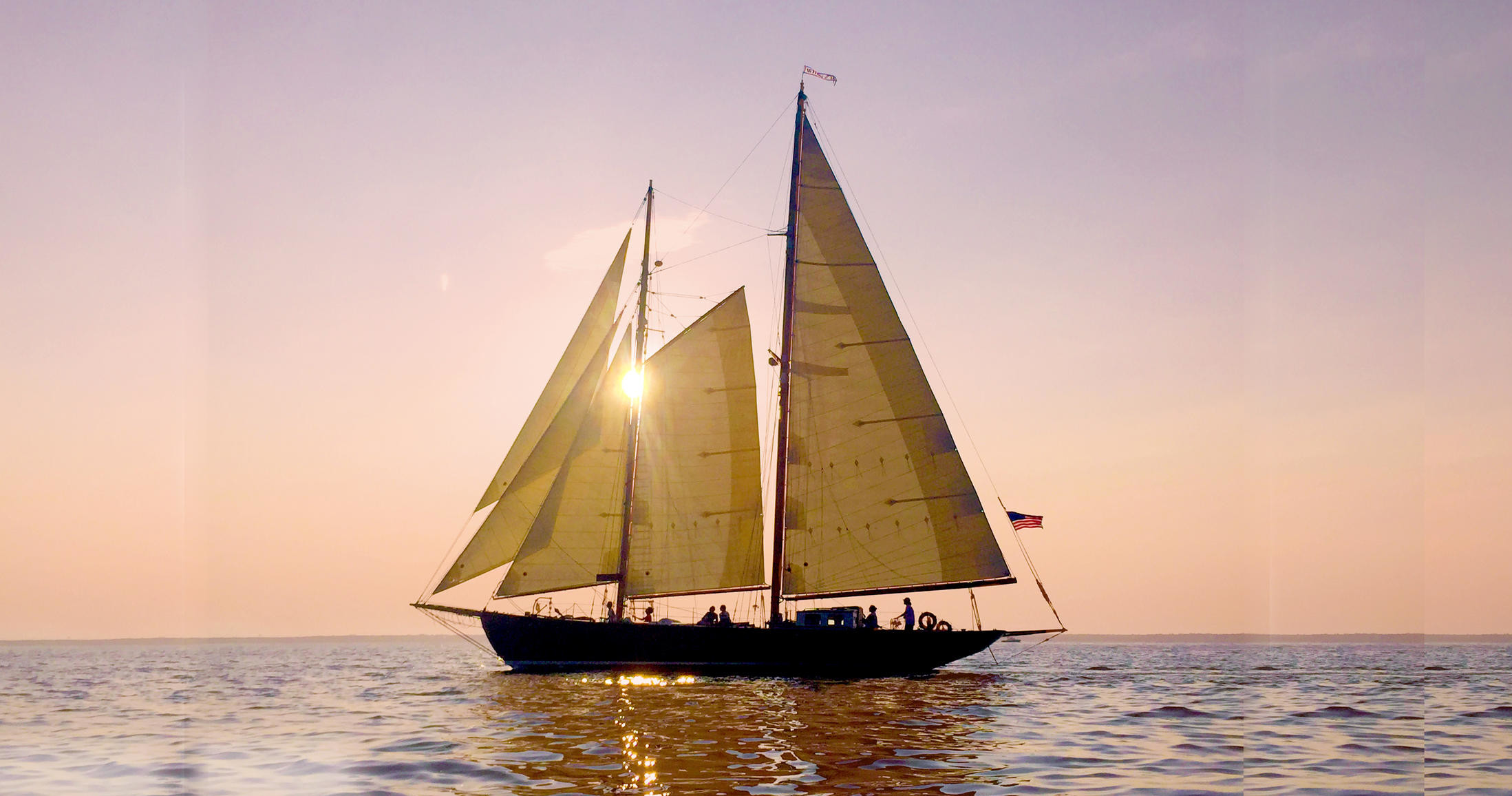
Top 14 Sailing Adventures in Merrimack, New Hampshire
Sailing from Merrimack is a study in contrasts: tranquil freshwater stretches that thread through mill-town history, and tidal, wind-swept channels that open toward the Atlantic. The town is a quietly useful launch point for day sails, dinghy practice, and coastal hops to the estuary — ideal for sailors who want short-distance navigation, big-water training, or a blend of freshwater and nearshore conditions.
Top Sailing Trips in Merrimack
14 trips • Book with confidence • Instant confirmation
Why Merrimack Is a Standout Place to Sail
Merrimack's riverine setting puts sailors in a rare position: you can learn to read narrow-channel currents and practice close-quarters maneuvers in a landscape shaped by industry, then push downstream into tidal water and open coastal wind in the same day. The Merrimack River carries a living history — from early mills and bridges to quieter marshes where egrets quarter the shallows — and that history is visible from the water. Timbered banks give way to marsh grass and, eventually, to the broader estuary where the wind behaves differently and the horizon opens.
For small-boat sailors and keelboat skippers alike, Merrimack is training ground and staging area. River sections are forgiving for learning tacks, jibing, and dock work; tidal stretches require more attentiveness to current and timing. In warm months, sea breezes develop into reliable afternoon wind, turning tentative entries into lively reaches. Autumn brings cleaner, cooler air and crisper wind profiles that reward passage-making and coastal hops. For those who prize wildlife and quiet observation, morning light on the river attracts waterfowl, ospreys, and—nearer the mouth—occasionally seals hauled on sandbars.
Sailing out of Merrimack is also practical. The town sits within easy reach of launch points, community sailing programs, and small marinas that specialize in trailer-sailers, day-sailers, and club fleets. That infrastructure makes it simple to plan everything from an introductory lesson to a multi-stop coastal day trip. Complementary activities — paddleboarding in calmer backwaters, shoreline fishing, or cycling scenic river roads — slot naturally around a sail. Environmental considerations are front and center here: water quality varies along the river, and many local groups focus on restoration and stewardship, so sensible boat behavior (no wake in sensitive areas, packing out waste) is part of the local ethos. Whether you’re building basic boat-handling skills or plotting a tentative coastal passage, Merrimack offers a compact, varied sailplane where each outing teaches you more about wind, tide, and local character.
The river-to-estuary progression is useful for progressive skill-building: sheltered practice in upstream reaches, then tidal navigation and coastal seamanship downstream.
Because the area combines freshwater and tidal sailing, conditions change with both weather and lunar tides—planning and local knowledge make the difference between a comfortable outing and a challenging passage.
Best Time to Visit
Best Months
Weather Notes
Late spring through early fall offers the most comfortable temperatures and steadier winds. Summer afternoons often produce thermal sea breezes on coastal stretches; watch for passing thunderstorms. Early-season outings can be cool and require warmer layers.
Peak Season
Summer (June–August) sees the most boat traffic and active sailing programs.
Off-Season Opportunities
Shoulder seasons (May and October) give cleaner winds and fewer crowds—ideal for practicing skills and crisp coastal days. Winter is generally not suitable for casual sailing due to cold and ice.
Frequently Asked Questions
Do I need special permits for launching a sailboat on the Merrimack?
Most public launches allow small craft without a special sailing permit, but municipal rules and parking restrictions vary. Check local launch areas and municipality websites before you go.
Is Merrimack suitable for beginner sailors?
Yes—upstream, sheltered sections of the river are excellent for learning basic handling, docking, and sail trim. Beginners should start in calm conditions and consider instruction or supervised club sails.
Can I sail from Merrimack to the open Atlantic in a day?
Experienced crews can stage day trips toward the estuary and nearby coastal harbors, but planning around tides and weather is essential. Many sailors treat coastal hops as half- or full-day trips depending on vessel speed and conditions.
Choose Your Experience Level
Beginner
Calm river reaches and protected backwaters provide forgiving conditions for first-time sailors to learn basic maneuvers and safety.
- Introductory dinghy or keelboat lesson on a sheltered stretch
- Short afternoon day sail with an instructor or club
- Practice docking and line handling at local launch areas
Intermediate
Sailors comfortable with tacks and basic navigation can explore tidal channels, work on current planning, and make short coastal hops.
- Tidal navigation practice in the lower river
- Half-day estuary sails with changing wind and current
- Crossing to nearby coastal harbors for lunch or shoreline walks
Advanced
Experienced crews will find route planning and passage-making opportunities that require tide timing, weather assessment, and confident boat-handling.
- Day-long coastal passages toward Newburyport or nearby inlets
- Navigating tidal bars and bridge passages under variable wind
- Multi-stop cruises combining river, estuary, and nearshore legs
Insider Tips & Local Knowledge
Always check tides, current, and bridge schedules where applicable; local conditions change quickly between freshwater and estuary zones.
Time your downstream departures to work with favorable currents—running an ebb can boost speed and reduce motor time. Watch for shallow shoals and sandbars in the lower river and estuary at low water; a depth sounder or up-to-date charts are helpful. Respect no-wake and wildlife-protection zones, especially near marshes and bird nesting areas. If you’re new to the area, join a community sail or club outing for local route knowledge and safe practice. Finally, pack layers—wind and sun combine on the water, and temperatures can drop quickly once you’re away from shore.
What to Bring
Essential
- USCG-approved life jacket for every person aboard
- Non-slip deck shoes and layered clothing
- Waterproof wind layer and sun protection (hat, sunglasses, SPF)
- Water, snacks, and a basic first-aid kit
- VHF radio or charged mobile phone with waterproof case
Recommended
- Foul-weather gear or lightweight spray jacket
- Tide and current tables (or an app) for local stretches
- Dock lines and basic seamanship tools (knife, multi-tool)
- Dry bag for electronics and spare clothes
- Chart or navigation app covering the Merrimack River to the estuary
Optional
- Binoculars for bird and seal watching
- Portable anchor for quiet bays or sandbar stops
- Lightweight heaving line and fenders for close-quarters docking
Ready for Your Sailing Adventure?
Browse 14 verified trips in Merrimack with instant booking
Explore Top 15 Merrimack, New Hampshire Adventures →