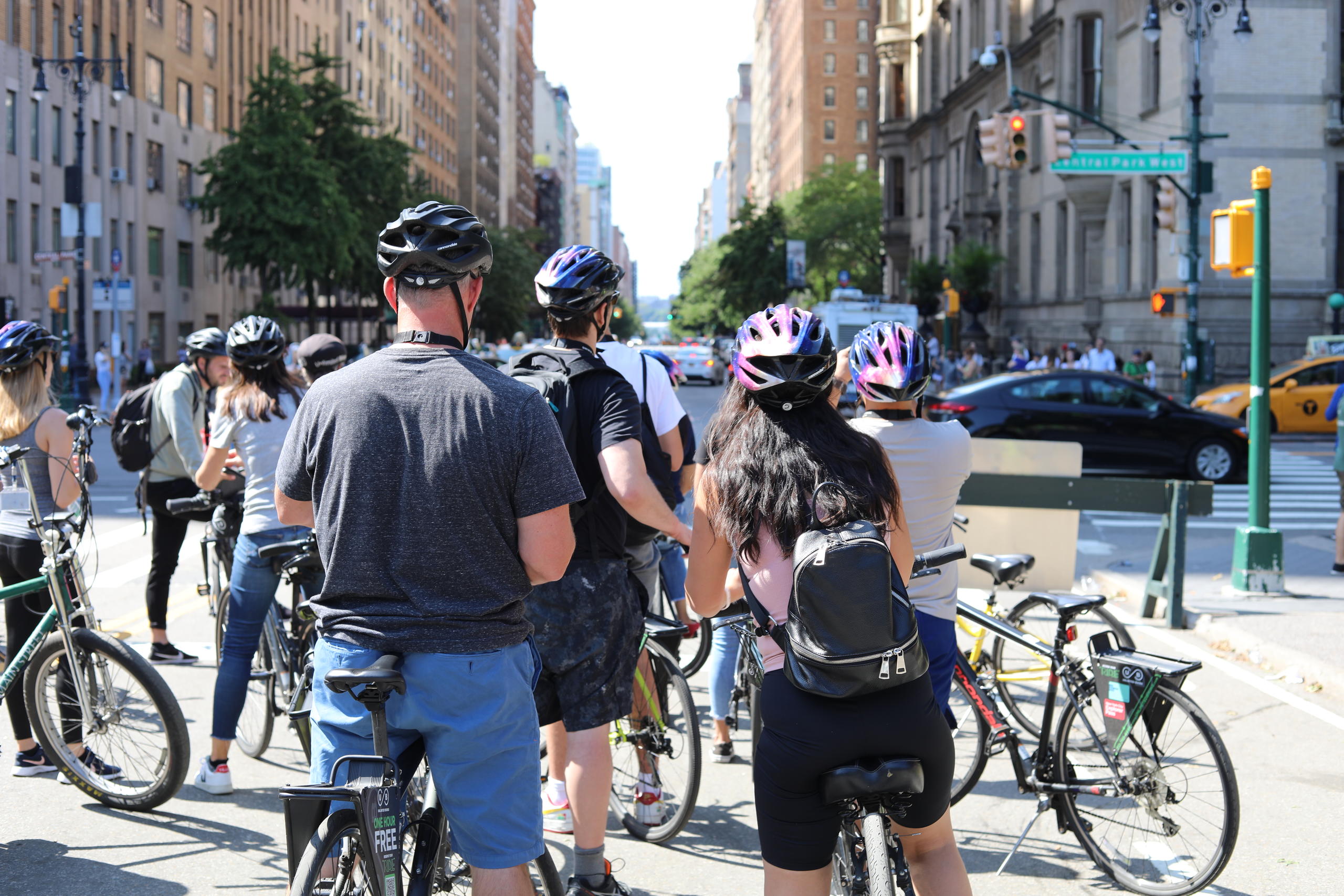
There’s an agreeable rhythm to exploring Maplewood by e‑bike: short, purposeful bursts of effort up the modest hills that flank the village centers; restorative coasts beside the Rahway River; and the steady push to ridge-top viewpoints at the edges of South Mountain and Watchung reservations. The town’s human scale—walkable downtown streets punctuated by independent shops and cafés—makes it particularly well suited to electric assist. You can begin a morning ride with a coffee and pastry in Maplewood Village, thread through quiet residential blocks, and be on a shaded riverside path within minutes. That transition from civic, to residential, to green space is what makes e‑biking here feel fluid and exploratory rather than workout-first.
E‑bikes extend reach and flatten gradients without erasing place. In Maplewood that means riders of varying fitness can connect neighborhood highlights to nearby natural areas in a single afternoon: a family-friendly loop along the Rahway River Parkway; a technical, short climb into South Mountain with singletrack and lookout points; or an urban-to-woods run that links Maplewood to South Orange and beyond. The electric assist also changes the architecture of local day trips. What would be a sweaty, two-wheeled effort up a steeper ridge becomes a comfortable, camera-ready outing, encouraging more stops for scouting historic houses, public art, or a picnic on a riverbank.
Beyond convenience, there’s a cultural match. Maplewood’s community values active transportation and small-scale commerce—an e‑bike ride here often feels like moving through a neighborhood that encourages lingering. Riders find that transit connectivity matters: New Jersey Transit stations in Maplewood and nearby South Orange make it possible to combine rail and pedal, opening longer, one-way itineraries without a car. For visitors, that connectivity is a pragmatic advantage: you can train in from Manhattan or points west, deploy an e‑bike for the day, and return without parking logistics.
Practical considerations shape how you experience Maplewood by e‑bike. Trail surfaces are mixed—paved greenways, well-maintained park roads, and short stretches of crushed stone or packed dirt—so tire choice and suspension comfort factor into planning. Battery management is also part of the rhythm: plan routes that match expected assist use, prioritize charging before ridge climbs, and use lower assist on flats to conserve charge for climbs or headwinds. Lastly, seasonality shifts the palette and the logistics. Spring and early fall reward with comfortable temperatures and dramatic color; summer invites late-evening rides but demands sun protection and hydration; winter keeps rides possible but requires attention to slip hazards and shorter daylight. In short, Maplewood’s compact variety and access to connected green spaces make it a quietly excellent e‑bike hub—friendly to explorers who prize both sociable village stops and purposeful time in the trees.
Short distances between local destinations make Maplewood ideal for exploratory e‑bike outings—stop often, sample a café, and return without a long slog.
Connections to larger park systems (South Mountain, Watchung) let riders scale intensity from gentle promenades to ridge-line efforts in a single ride.
The harbor is the gateway, and the Pacific becomes the classroom.
Transit links and village centers support hybrid trips: rail to town, pedal across the region, and train back—especially useful for visitors without a car.
Surface variety ranges from paved greenways and bike lanes to packed-surface park roads; choose tires and assistance levels accordingly.
Choose by purpose
Whale watching, snorkeling, sunset sailing, cultural canoeing, harbor sightseeing, or private chartering.
Start near the city
Waikiki and Honolulu Harbor are primary hubs, with some trips launching near Hanauma Bay.
Confirm the vessel
Gangways, shaded seating, and boarding requirements vary according to vessel size and operator.