Surf Maplewood: Coastal Breaks, Local Seasons, and How to Catch the Best Waves
Maplewood’s coastline folds into a patchwork of beachparks, rocky points, and sheltered coves that reward surfers who know how to read wind, tide, and swell. This guide focuses on surf-specific terrain, seasonality, and planning: where to find mellow summer longboard waves, where winter swells stack up, and how to layer surf with stand-up paddle, tidepool exploring, and coastal hiking.
Top Surf Trips in Maplewood
23 trips • Book with confidence • Instant confirmation
Why Maplewood Is a Standout Surf Destination
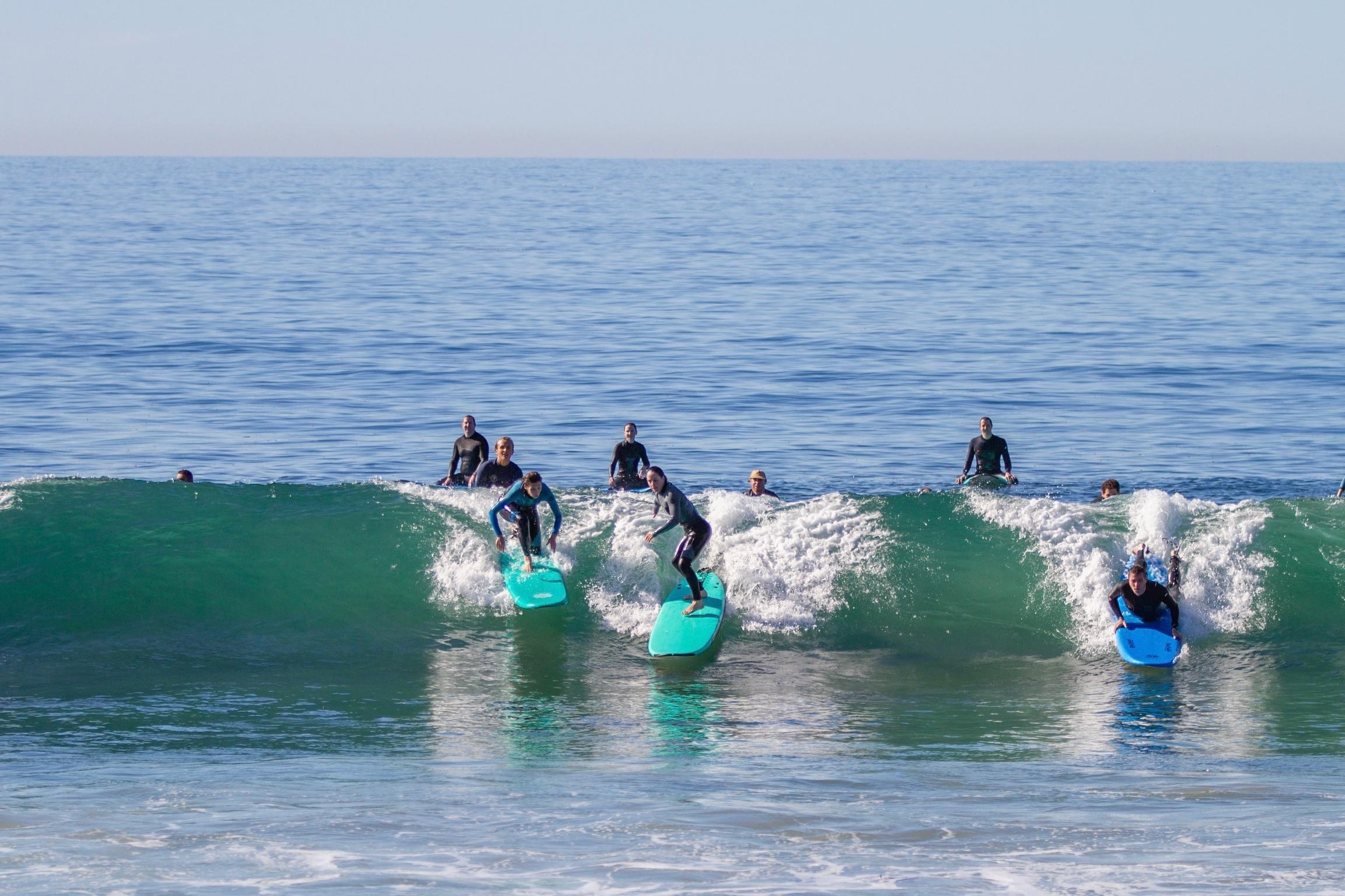
Maplewood is the kind of coastal town that teaches you the grammar of waves. From a distance the shoreline reads like a simple line of sand and cliff; up close it’s a stitched seam of different breaks where swell, wind, and tidal rhythm speak in local dialects. Summer mornings here deliver glassy, forgiving walls that favor longboards and learners. Come autumn, northwest groundswell begins to touch the point breaks and the reef lines tighten into more purposeful, hollowed faces. Winter writes the most dramatic pages — longer period swells and storm-driven energy meet exposed reefs and rocky bottom pockets, and the surf desk lights up.
This is a surfscape for thoughtful exploration rather than raw spectacle. Maplewood’s principal advantages are variety and proximity. In a single morning you can paddle out at a soft sandy beach with easy entry, hop in a car for a short drive to test a cobblestone point that organizes a clean right, and finish the day scanning tidepools at a protected cove as the wind drops. That spatial diversity means there are waves for every appetite: cautious beginners, progression-minded shortboarders, longboard romantics, and those who crave occasional heavy surf when the swell lines up.
The town’s maritime culture is modest and protective. You won’t find the packed lineups of a major metropolis, but you will find local etiquette that rewards patience, skill progression, and good situational awareness. Maplewood’s surf community values surf stewardship — reef etiquette, respect for wildlife, and a clear preference for minimizing crowd friction. That spirit is part of the appeal: surf here feels like a practice as much as an adrenaline pursuit. You’ll also discover complementary experiences that make a surf trip richer. Morning sessions can be followed by coastal hikes that reveal hidden viewpoints of the swell, and low-tide explorations of kelp beds and tidepools add texture to a surf-focused itinerary.
Practical planning matters. Because Maplewood's breaks react strongly to local winds and tide windows, a little forecasting and timing goes a long way. Shallow reefs can change the character of a swell quickly; sandbars shift seasonally. For traveling surfers, consider mixing rental sessions and lessons early in the trip to learn the local lineup rhythm before testing more exposed spots. Above all, come prepared: a few smart layers, a clear sense of your ability, and respect for both the ocean and Maplewood’s local surf culture will unlock some of the best, most memorable sessions the Central Coast has to offer.
Seasonality shapes priorities: summer for mellow beach breaks and longboarding; fall for cleaner offshore winds and consistent mid-sized swell; winter for raw power at exposed reef and point breaks.
Maplewood is an excellent base for mixed coastal days—surf in the morning, tidepool and coastal hike midday, and try SUP or kayaking in calmer afternoons.
Best Time to Visit
Best Months
Weather Notes
Maplewood has a Mediterranean coastal climate: mild, often foggy mornings in summer with light onshores that can clean up by mid-morning on offshore days. Fall tends to bring consistent northwest swell and clearer skies; winter brings the largest swells and cooler water temperatures. Wind patterns are localized—west and northwest winds are common in afternoon sea breezes.
Peak Season
Late fall through winter for swell consistency and winter storm fetch; summer months are popular for mellow, family-friendly beach breaks.
Off-Season Opportunities
Late spring and summer mornings are ideal for learning and longboarding; weekday shoulder seasons offer solitude and quieter lineups.
Frequently Asked Questions
Do I need permits to surf in Maplewood?
Most public beaches do not require permits to surf. If you plan to park at managed coastal access points or use state park facilities, parking fees or day-use passes may apply—check local signage.
Are there surf schools or rentals in town?
Yes. Maplewood hosts a handful of surf schools and rental shops near the main beach; they’re a good option for beginners or travelers without boards.
What wetsuit thickness should I bring?
Summer: 3/2mm or a spring suit on warm days. Fall and spring: 4/3mm. Winter: 5/4mm or 4/3 plus hood and booties for colder days. Conditions vary—check local water temps before you go.
Choose Your Experience Level
Beginner
Protected beach breaks with soft sand bottoms and smaller, forgiving waves—ideal for learning pop-ups and wave selection.
- Beginner lesson at Maplewood Main Beach
- Gentle longboard session at South Cove
- Tide-timed practice at the estuary mouth
Intermediate
Point breaks and transitioning beach breaks with more power and directional faces; requires stronger paddling and positional awareness.
- Mid-period swell session at Rocky Point
- Cross-shore practice on mixed sandbars
- Sunset session practicing turns and trim
Advanced
Exposed reef breaks and larger winter swells that demand precise wave judgment, reef awareness, and solid paddling/stamina.
- Heavy winter swell at North Reef
- Point-peak drops and tube rides on long-period days
- Multi-break surf day chaining exposed areas with careful tide planning
Insider Tips & Local Knowledge
Respect local lineups, check tide windows, and always prioritize safety on reef and point breaks.
Read the tide: many of Maplewood’s best reef and point breaks only light up on certain tide ranges. Early mornings often deliver the cleanest lines before thermals kick up an afternoon breeze. If you’re new to a spot, watch from shore for 10–15 minutes to read current, takeoff zones, and exit options. Use local rental shops and schools early in your visit to get quick, targeted advice. Park legally—some access points have limited spaces, and illegal parking can lead to fines and local friction. For winter sessions, pair a buddy system with a thicker wetsuit and a plan for exits where rocks are present. Finally, bring a reusable water bottle and pack out any trash—Maplewood surfers take stewardship seriously, and small acts help keep lineups pleasant for everyone.
What to Bring
Essential
- Appropriate wetsuit (see seasonality) and booties if needed
- Leash matched to your board
- Wax and/or traction pad
- Board bag or carrier and a basic repair kit
- Waterproof sunscreen and a hat for the shore
Recommended
- Small first-aid kit for reef grazes
- Ear protection for cold-water sessions
- Compact surf forecast app and tide chart
- Lock for your car and gear
Optional
- Neoprene hood or gloves during winter swells
- Rash guard for summer sessions
- Dry bag for valuables
- Fins appropriate to your board and local conditions
Ready for Your Surf Adventure?
Browse 23 verified trips in Maplewood with instant booking
Explore Top 15 Maplewood, California Adventures →