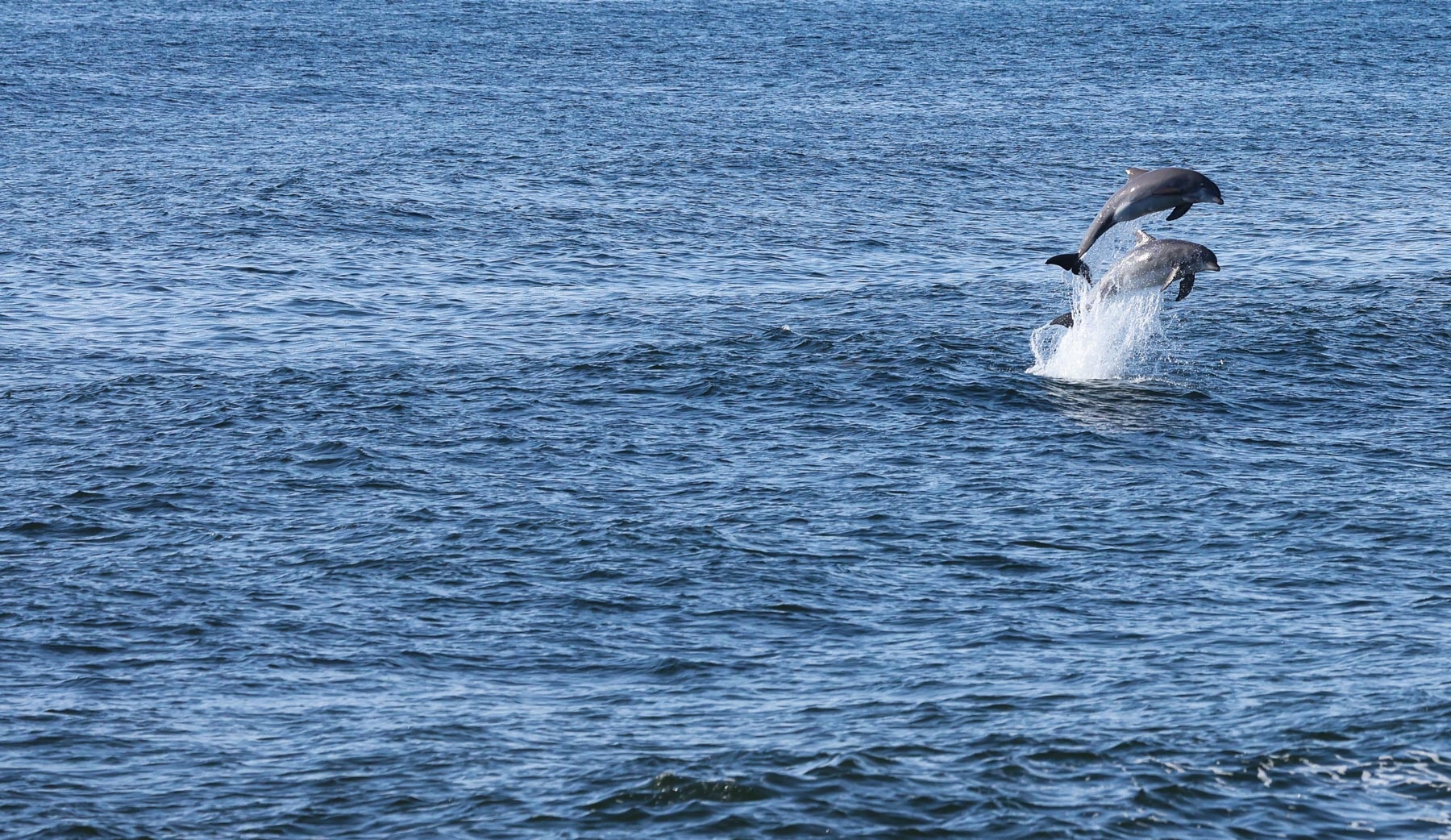
Dolphin Watching & Encounters in Mantoloking, New Jersey
Along the narrow ribbon of sand and marsh that is Mantoloking, dolphins are an everyday kind of marvel—sudden, social, and perfectly matched to the rhythm of tides. This guide focuses on where to spot them, how to plan respectful encounters from both boat and shore, and which complementary coastal activities (paddling, birding, surf fishing) make a dolphin trip here feel like a full coastal day.
Top Dolphin Trips in Mantoloking
3 trips • Book with confidence • Instant confirmation
Why Mantoloking Is a Great Place to See Dolphins
Mantoloking sits where the shallow, warm waters of Barnegat Bay meet the cooler Atlantic—an interface that concentrates baitfish and creates a small, productive food web attractive to coastal dolphins. Bottlenose dolphins are the most commonly seen species here; they travel in loose social groups, riding the surf line, threading through inlet eddies, and probing the shallows along tidal creeks. At dawn and in the early evening, when the water calms and light slants across the bay, pods often move close to shore, offering long, elegant glimpses from beachheads and fishing piers.
Watching dolphins in Mantoloking is a study in coastal scale: this isn't the deep-water drama of offshore trips but a subtler, approachable experience that rewards patience and a little local knowledge. A morning paddle through the bay channels can put you at eye level with foraging animals. From a charter skiff you can follow the patterns of the tide through inlets where dolphins follow bait pushed by current. Shore-based viewing, from the jetty or the quieter stretches of the barrier island, is surprisingly productive when birds are working the same schools of fish—terns and gannets often signal where dolphins are feeding below.
The cultural context matters: Mantoloking is a small barrier-island community with a legacy of fishing, boating, and salt-marsh conservation. Local outfitters run small-group trips, and many captains are natural storytellers—able to translate dolphin behavior into a narrative that connects to tides, weather, and the health of the bay. Experienced visitors come prepared to combine a dolphin outing with paddleboarding at low tide, a birding walk through the salt marsh, or an evening surf-fishing session. Conservation-minded travelers will notice signage about habitat protection and seasonal closures; respecting those constraints keeps dolphins wild and resilient. This guide combines the poetry of marine wildlife viewing with practical advice—how to time outings with tides and bait runs, what gear reduces sea sickness and increases viewing comfort, and which local practices ensure encounters are safe for both people and dolphins.
Dolphins in this region are typically coastal bottlenose dolphins. They exploit shallow waters and inlets, so timing trips around tidal movement increases the odds of sightings.
Small-boat operators, kayak and SUP trips, and shore-based viewing each offer different vantage points and levels of intimacy—choose based on mobility, comfort on the water, and desire for close approach (remembering rules and ethics).
Mantoloking's marine environment is dynamic: calm summer mornings often yield the best photo opportunities, while windy afternoons create slicker, less predictable seas—plan accordingly.
Best Time to Visit
Best Months
Weather Notes
Late spring through early fall offers the calmest mornings and warmest water temperatures—ideal for small-boat and paddle-based outings. Afternoon sea breezes pick up in summer; fall can bring crisp, clear days with lower humidity. Watch for nor'easters and cold-front passages outside the summer window.
Peak Season
June–August (summer tourism and highest boating activity)
Off-Season Opportunities
Shoulder months (May and September) often deliver quieter beaches and very active baitfish runs, improving dolphin sighting odds with fewer boats around.
Frequently Asked Questions
Can I swim with dolphins in Mantoloking?
No. These are wild animals. Federal and state guidelines prohibit intentionally approaching, feeding, or swimming with wild dolphins. Favor observation from a respectful distance and follow your outfitter's guidance.
Are dolphin trips suitable for kids and seniors?
Yes—many small-group charters and shore-based viewing options are family-friendly. For paddling trips, assess participants' comfort on watercraft; small-boat charters are a good option for mixed-ability groups.
Do I need a permit to operate a kayak in Barnegat Bay?
Personal recreational kayaks typically do not require permits, but local rules and launch regulations vary. Check with local marinas and the borough for current launch policies.
How long are typical dolphin-watching trips?
Trip length varies by operator—common options are 2–4 hour small-boat charters. Shore-based and self-guided viewing can be as brief or as long as you like.
Choose Your Experience Level
Beginner
Easy shore-based viewing from beaches and jetties or short, calm-water boat rides—minimal sea experience required.
- Jetty and beach viewing at sunrise
- Short family-friendly bay cruise
- Guided naturalist walk with dolphin-watching stops
Intermediate
Active participation on the water—kayak or SUP trips into bay channels and escorted small-boat outings that may require basic paddling and comfort with chop.
- Guided kayak tour through tidal creeks
- Stand-up paddleboard bay excursion timed with low wind
- Half-day small-boat dolphin and birding combo
Advanced
Longer on-water days, independent coastal navigation, or photo-focused charters that require experience reading tides, managing gear, and handling changing sea states.
- Extended photo charter following inlet currents
- Self-guided inlet navigation at variable tides
- Combination surf-fishing and dolphin-watching trip requiring boating experience
Insider Tips & Local Knowledge
Respect wildlife, respect local rules, and let local captains guide your approach.
Go early: the quietest, calmest window is usually the first two hours after sunrise, when wind is low and dolphins are actively feeding nearshore. Watch the birds—terns and cormorants working a patch of water are often signaling a dolphin feeding zone. If you charter, ask whether the boat has a captain experienced with local inlet currents and tidal timing; those captains put you where the bait moves rather than chasing sporadic sightings. For paddle-based viewing choose near-calm days and stay close to the shoreline; never attempt open-ocean crossing without experience. Maintain distance—if dolphins change behavior, slow down or move away. Bring layers; an on-deck breeze can feel much colder than the temperature on land. Finally, combine your dolphin outing with a salt-marsh birdwalk or a sunset surf session to turn a single wildlife watching trip into a rounded coastal day that supports local outfitters and deepens your understanding of the bay's ecology.
What to Bring
Essential
- Binoculars with a mid-range field of view (7x–10x)
- Sun protection: hat, sunscreen, polarized sunglasses
- Water, snacks, and any required personal flotation device for paddling
- Light waterproof layer and windbreaker—conditions change fast
- Sea-sickness remedy if you're prone to motion sickness
Recommended
- Camera with a telephoto lens or a fast zoom for action shots
- Waterproof phone case or dry bag
- Compact spotting scope for extended shore viewing
- Reusable water bottle and small trash bag to pack out waste
Optional
- Tide and navigation app for planning inlet and bay trips
- Notebook or voice recorder for jotting naturalist observations
- Wetsuit top or neoprene layer for longer paddle sessions in cooler months
Ready for Your Dolphin Adventure?
Browse 3 verified trips in Mantoloking with instant booking
Explore Top 15 Mantoloking, New Jersey Adventures →