Top Sailing Adventures Near Manalapan, New Jersey
Manalapan Sailing Guide

Top Sailing Adventures Near Manalapan, New Jersey

Manalapan sits a short drive from a constellation of protected bays, tidal rivers, and open-coast channels where sailors of all stripes — day cruisers, club racers, and family charter groups — head for wind, salt, and shoreline discovery. This guide zeroes in on sailing opportunities within easy reach of Manalapan: sheltered estuaries for learners, complex tidal passages for those sharpening navigation skills, and scenic coastal runs where sunsets and seabirds steal the show.

Raritan BayBarnegat BaySandy Hook & Gateway National Recreation Area

Live destination inventory

Top Sailing Trips in Manalapan

87 trips · Book with confidence · Instant confirmation

The prototype intentionally does not invent replacement trip cards or add images that are not already part of the live source page.

The city from the water

Why Sail from Manalapan: Bays, Tides, and Jersey Shore Character

If Manalapan feels inland and quiet, that contrast is part of its sailing appeal. Within a relatively short drive you'll find a stitched landscape of estuaries, barrier islands, and sheltered bays that make for varied and approachable sailing. These waters present a classic New Jersey coastal palette: broad tidal flats that glow at low tide, wind-driven chop on open runs, and long sandbars that funnel currents. The result is an accessible learning ground for new sailors and a playground of tactical challenges for more serious crews. The region’s maritime history is quietly woven into the shoreline: former fishing villages, working marinas, and lighthouses mark passages that have guided local traffic for centuries. Sandy Hook, with its historic light and National Recreation Area protections, creates a northerly anchor to the area’s sailing routes, while Barnegat Bay’s labyrinth of channels and salt marshes opens up softer-water options where family sails and daysail charters are common. Raritan Bay and the Shrewsbury and Navesink river mouths introduce tidal complexity — currents, shifting shoals, and the need to respect tide windows — which is precisely why many sailors come here to sharpen navigation, anchoring, and boat-handling skills. Environmentally, the coastal mosaic around Manalapan is rich. Salt marshes and tidal creeks are vital nurseries for fish and shellfish and stopovers for migratory birds; light onshore breezes often carry the cry of terns and the flash of heron wings. Sailing here rewards attention to seasonal patterns: spring brings strong, variable winds and the first warm days for bare-deck sailing; summer settles into predictable sea breezes with crowded anchorages near popular beaches; fall consolidates steady, cooling northwesterlies that appeal to those chasing brisk, clear-weather days; winter is quieter and reserved for the experienced, with occasional blue-sky cold-front runs. Practical travel from Manalapan typically means a 30–60 minute drive to launching points depending on access and traffic. For many visitors the easiest option is a captain-led charter or a scheduled club sail — a guided day on the water that removes the need to navigate local tidal idiosyncrasies on your first outing. For those who charter a boat, companies and marinas in nearby shore towns commonly require proof of experience or a sailing check-out for bareboat rentals; alternatively, USCG-credentialed captains operate charters where you can learn while you cruise. Complementary activities are abundant: bring a spinning rod for inshore fishing, take a paddleboard to explore salt-creek side channels, or couple a day sail with a shore stop to visit a small coastal town, lighthouse, or a waterfront seafood spot. The area’s blend of sheltered learning waters and open-coast runs makes it a versatile region for a range of sailing ambitions — from confident beginners building sea time to racers practicing starts and tidal work. Whether you’re plotting a short sunset run, a family-friendly bay day with easy anchoring, or a training session focused on tidal navigation, the waters near Manalapan offer scaled options. The best experiences come with respect for tide tables, an ear for weather, and an appetite for the kinds of informal maritime learning that only comes from spending hours on the water. In short: Manalapan’s inland calm is a launch pad to a coastal tapestry ideal for practicing seamanship, savoring shoreline culture, and finding slices of solitude along the Jersey coast.

Protected bays provide gentle learning conditions for new sailors and families, with shallow anchorages and shorter passages between shore stops.

Open-coast runs north toward Sandy Hook or south toward Barnegat Bay introduce tidal currents and longer fetch — good for sailors practicing sail trim and weather routing.

The harbor is the gateway, and the Pacific becomes the classroom.

Local marinas, yacht clubs, and charter operators offer a range of options from skippered day sails to more independent bareboat rentals; many supplement nautical access with onshore services like provisioning and gear rental.

Activity focus

Choose by purpose

Whale watching, snorkeling, sunset sailing, cultural canoeing, harbor sightseeing, or private chartering.

Departure hubs

Start near the city

Waikiki and Honolulu Harbor are primary hubs, with some trips launching near Hanauma Bay.

Accessibility

Confirm the vessel

Gangways, shaded seating, and boarding requirements vary according to vessel size and operator.

Seasonal planning

Best Time to Visit

Manalapan is warm year-round, but wind, swell, migration, visibility, and demand change the best match between traveler and trip.

Manalapan boat tour
Year-round destination

Seasonal highlights change the reason to go

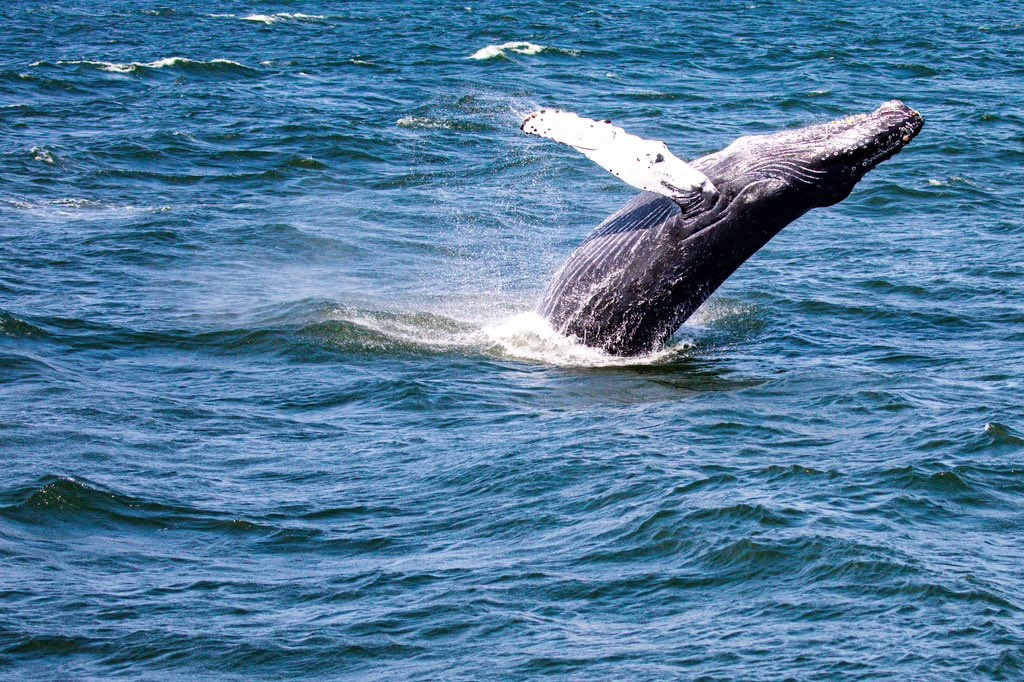
Winter favors humpback encounters; warmer, calmer months favor snorkeling visibility and smoother water.

Humpback season

June–August (warmer water, frequent charters, busiest marinas and anchorages).

Prime whale watching, winter holidays, higher demand, and earlier sell-outs.

Snorkeling window

May–June–July–August–September–October

Typically gentler seas and clearer water for snorkeling trips.

Weather notes

Trade winds year-round

Late spring and early fall offer the most comfortable and reliable sailing weather. Summer brings predictable afternoon sea breezes but also busier anchorages. Fall's northwesterlies are ideal for brisk coastal runs. Winter is possible for experienced, well-equipped sailors but involves colder water and more volatile storms.

Quieter opportunities

Late spring & summer weekdays

May and September–October produce fewer crowds and excellent wind days; spring can be cool and blustery which is good for sail training.

Match the trip to your comfort

Choose Your Experience Level

Low effort

Beginner

Short, protected bay sails with an experienced skipper or instructor; focus on basic sail handling, safety, and anchoring in calm conditions.

  • Family day sail on a protected bay
  • Introductory sail lesson with a club or school
  • Sunset cruise with a skipper
Active day trip

Intermediate

Longer day sails that introduce tidal planning, deeper-water anchoring, and basic coastal navigation; practical for sailors building singlehand or crew skills.

  • Coastal day sail toward Sandy Hook or a barrier island
  • Tidal-navigation training in river mouths and channels
  • Club fleet days and informal races
Longer or technical

Advanced

Offshore passages, tactical racing, night sailing, or independent bareboat trips that require strong navigation, watchkeeping, and seamanship experience.

  • Offshore training runs and race practice
  • Multi-leg coastal passages requiring tide and weather routing
  • Independent bareboat cruises in complex tidal waters

Prepare for sun, spray, and swell

What to Bring

Essential

Core kit

  • USCG-approved life jacket (or rely on provided charter PFDs)
  • Non-slip deck shoes or clean-soled sneakers
  • Weatherproof jacket and layered clothing for changing conditions
  • Sunglasses with retainer and broad-brim hat
  • Sunscreen and plenty of water
Recommended

Useful extras

  • Small dry bag for phones and essentials
  • Sea sickness remedies if you’re prone to motion sickness
  • Light gloves for line handling
  • Navigation app or paper chart of the local bay and tide table
Optional

Trip-specific

  • Camera with waterproof protection
  • Fishing gear for inshore light tackle
  • Binoculars for bird and shoreline spotting
Always verify launch-site hours, marina access rules, weather alerts, and local boating regulations before you go.

Insider Tips & Local Knowledge

Reserve whale-watching and popular sunset cruises well ahead during December–April.
Choose morning snorkeling departures for calmer seas and better underwater visibility.
For motion sensitivity, choose a larger vessel, sit mid-ship, and take preventative medication before boarding.
Do not touch coral or wildlife, avoid standing on reefs, and use reef-safe sunscreen.
Community-based operators may add context about traditional navigation and stewardship.
Arrive early for parking and check-in because Waikiki departure areas can be busy.

Planning questions

Frequently Asked Questions

Manalapan is inland; most sailing departures are from nearby shore marinas and launch points. A short drive connects you to bays and inlets where organized sails and rentals operate.
Top Sailing Adventures Near Manalapan, New Jersey
Ready for your sailing adventure?

Browse 87 verified trips in Manalapan.

Compare current availability and book with instant confirmation.

Explore Manalapan sailing