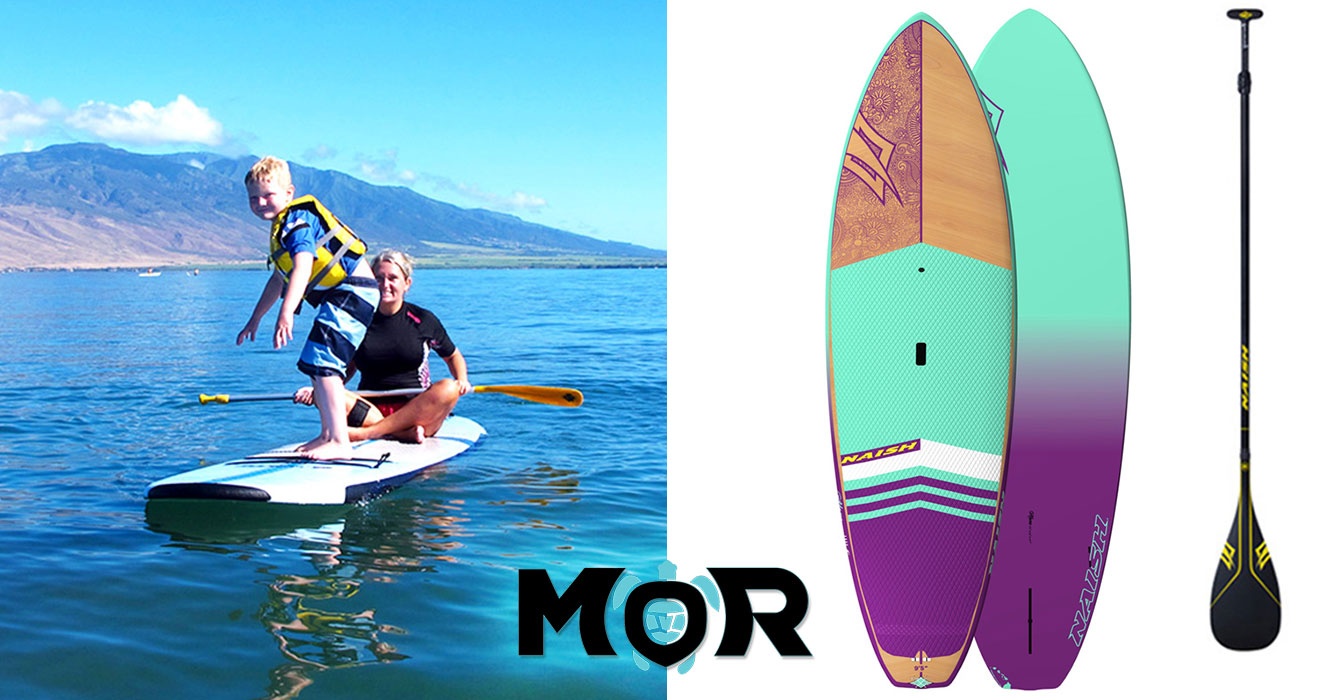
Stand-Up Paddleboarding (SUP) Near Makawao, Hawaii
Makawao sits on the slopes above Maui's north shore, an upcountry town whose best paddle stories begin with a short drive to Kanaha, Paia Harbor, or the exposed reef breaks of Ho'okipa. SUP here ranges from glassy lagoon floats and reef snorkeling excursions to shoulder-high SUP surfing sessions. Expect trade-wind rhythms, sun-drenched mornings, and a mix of mellow flatwater outings and wind-affected coastal runs depending on season and swell.
Top SUP Trips in Makawao
38 trips • Book with confidence • Instant confirmation
Why Makawao Is a Special Place for SUP
Makawao is a small town with a big relationship to the ocean—a curious thing for a place perched on the slopes of Haleakalā, and a reminder that Maui's landscapes are stitched together by short drives and long stories. Mornings in Makawao often begin with cool upcountry air and the scent of eucalyptus; within 15–30 minutes you can be standing on a wind-scoured sand strip watching the glassy lagoon at Kanaha fold into the swell of the North Shore. That proximity—pasture to tidepool, ranch road to reef—is the reason SUP around Makawao feels cinematic and immediate.
Paddling here is a study in contrasts. On calm days, Kanaha Park offers broad, shallow water where beginners discover a steady, forgiving platform and families float over sandy bottoms and feeding schools of small fish. In the same breath, the nearby reef and exposed points along Paia and Ho'okipa produce playful, wind-affected conditions perfect for SUP surf sessions and downwind runs. The trade winds that shape Maui's weather also sculpt your paddle: a morning mirror can become an afternoon breeze parade, so timing matters. For SUP travelers based in Makawao, that means planning for early launches, scouting local forecasts, and leaning into the island rhythm—sunrise paddles followed by a slow coffee back in town.
Beyond conditions, SUP here is threaded with culture and ecology. The north shore is a place of practiced watercraft—wind- and kite-surfers, surfers, and paddlers share corridors and knowledge. Respecting local lanes, reef environments, and native marine life is central to every outing. On clear days you might paddle above coral gardens, spot green sea turtles looping beneath your board, or find yourself passing surfers riding the same swell in radically different stances. SUP snorkeling tours launch from the same coastal towns and extend the experience into guided marine awareness: identifying reef fish, understanding reef health, and learning how to minimize footprint with reef-safe sunscreen and mindful buoyancy.
For travelers, Makawao presents practical advantages. Upcountry lodging tends to be quieter and more affordable than beachfront stays, and the drive to launch points is short enough to make sunrise sessions routine. Local outfitters in Paia and Kahului provide rentals and lessons, and experienced guides can tailor trips for flatwater practice, scenic reef floats, or progressive SUP surfing. Complementary activities abound: windsurfing and kiting at Kanaha, surf lessons on the north shore, and road trips up Haleakalā or along the coastline for snorkeling and wildlife watching. In short, Makawao is less a destination for a single paddle than a basecamp for a palette of SUP experiences—every outing shaped by wind, reef, and the ineffable light that makes Maui a place people keep returning to.
Easy access: Short drives link Makawao to Kanaha, Paia, and Ho'okipa—each offers distinct SUP water (lagoons, harbor flats, reef breaks).
Seasonal character: Trade winds dominate spring through fall, producing fuller afternoons and drier conditions; winter swell brings bigger surf and more advanced SUP opportunities.
Local culture: Paia is a longtime water-sports hub; expect shared spaces where windsurfers, surfers, and paddlers have established rhythms and etiquette.
Best Time to Visit
Best Months
Weather Notes
Early mornings are best for flat-water paddling before trade winds pick up. Trade-wind season (spring–fall) brings reliable wind in the afternoons—great for downwind or wind-affected paddles. Winter months deliver bigger north-westerly swells; choose sheltered harbors for calmer conditions.
Peak Season
Summer trade-wind months are busiest for daytime beach activity; Easter and holiday weeks increase local visitation.
Off-Season Opportunities
Winter offers powerful surf and SUP-surfing possibilities for experienced paddlers, and quieter weekdays for guided flatwater tours.
Frequently Asked Questions
Do I need lessons before trying SUP around Makawao?
Beginners should take a short lesson or guided session—outfitters in Paia and Kahului offer introductory classes that cover paddling technique, safety, and local rules for launching and sharing zones.
Where are the easiest places to paddle for beginners?
Kanaha Beach Park and sheltered areas of Paia Harbor provide shallow, sandy-bottomed water with gentle conditions at low wind—ideal for first-time paddlers.
Are there hazards I should know about?
Reef cuts, currents, and wind-driven chop are the main hazards. Wear a leash, know local tide and swell conditions, and avoid launching across active windsurfing lanes during high wind.
Choose Your Experience Level
Beginner
Protected harbors and shallow lagoons offer stable water for learning balance and stroke technique.
- Kanaha flatwater practice
- Introductory SUP lesson and guided harbor tour
- Short reef-edge float with snorkeling stops
Intermediate
Paddlers who can handle wind chop and basic currents can explore longer coastal runs, early-morning downwind stretches, and small-to-medium reef breaks.
- Paia to nearby reef float with guided snorkeling
- Downwind runs when trade winds are steady
- Intro to SUP surf at protected points
Advanced
Experienced paddlers tackle exposed north-shore surf, long downwinders, and conditions with strong winds or current—skills in surf etiquette and self-rescue are essential.
- SUP surfing at Ho'okipa during organized swells
- Long coastal downwinder runs timed with tide and wind
- Open-ocean paddles with experienced guides
Insider Tips & Local Knowledge
Check local swell and wind forecasts; arrive early; respect shared-use zones; and prioritize reef-safe practices.
Launch early for the calmest water—sunrise windows often offer mirror-flat conditions before the trade winds arrive. At Kanaha, park in designated lots and walk to launch points to avoid trampling dunes. When the afternoon fills in, expect cross-shore winds that can push paddlers downwind; carry extra water and know your route and exit options. If you're sharing space with windsurfers or kitesurfers, communicate clearly and give right-of-way to those using powered sails. Use reef-safe sunscreen and avoid stepping on coral; if snorkeling, keep buoyancy control to prevent contact. For SUP surf or long downwinders, hire a local guide the first time—guides know the safest channels, reef cuts, and tidal windows. Finally, pair a paddle session with an upcountry coffee or Makawao's paniolo (cowboy) culture: the short drive back uphill makes for a perfect transition from salt to shade.
What to Bring
Essential
- Leash and personal flotation device (PFD)
- Reef-safe sunscreen and hat
- Light layers or a shorty wetsuit (depending on wind and sun exposure)
- Water, snacks, and a dry bag for phone/keys
- Sunglasses with retainer and a board whistle or signaling device
Recommended
- Water shoes for rocky launch points
- Basic repair kit or pump for inflatable boards
- Sun-protective clothing and a UV shell
- Phone in waterproof case and a quick local tide/swell app
Optional
- Compact binoculars for offshore wildlife watching
- Underwater camera for reef photos
- Paddle float or small anchor for SUP yoga or snorkeling stops
Ready for Your SUP Adventure?
Browse 38 verified trips in Makawao with instant booking
Explore Top 15 Makawao, Hawaii Adventures →