Top Bike Tours in Makawao, Hawaii
Makawao sits at the intersection of ranch roads, eucalyptus groves, and the steep, dramatic slopes that feed into Haleakalā. For cyclists the town is less about congested seaside routes and more about quiet climbs, long descents, and an upcountry sensibility—rolling pavement through pastureland, shady lanes scented with guava and eucalyptus, and technical singletrack and gravel options for riders who want to push off the asphalt. Bike tours range from mellow cultural loops that visit galleries and farms to adrenaline-forward descents from high elevations—each ride a layered mix of rural landscapes, paniolo history, and the island’s singular light.
Top Bike Tour Trips in Makawao
32 trips • Book with confidence • Instant confirmation
Why Makawao Is a Standout Bike Tour Destination
Makawao is a small town with outsized terrain—nestled on Maui’s slopes where the island’s interior begins to tilt toward Haleakalā. For bike travelers, that translates into variety: quiet paved backroads edged by pastures and paniolo (Hawaiian cowboy) ranchlands, gravel tracks that thread through upcountry farms, and steep, sustained descents from high elevation that reward careful planning with long, accelerating miles. The riding here is not about crowds; it’s about the feel of a cloud-shrouded morning as you drop toward the windward side, the smell of eucalyptus and earth after a rain, and glimpses of the ocean off in the distance as the landscape opens. Makawao’s cultural character—an artsy, paniolo-rooted town with galleries, old saloons, and ranch gates—gives rides a narrative quality: each road is threaded with stories about land use, cattle drives, and the mixed agricultural history that shaped upcountry Maui.
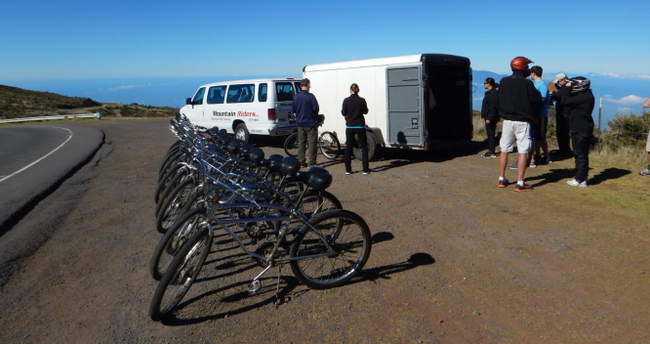
The technical demands of biking near Makawao span a wide spectrum. Novice riders can enjoy gentle circuits around town and mellow agricultural roads, while intermediate riders will find rolling climbs and longer out-and-back routes that include meaningful elevation gain without extreme exposure. Advanced riders, particularly those seeking the classic Maui experience, will plan for high-elevation descents from near the Haleakalā rim: long, technical runs that require strong brakes, confident bike handling, and careful attention to temperature and wind shifts. Many guided operators package these descents with logistics—vehicle shuttles, full-face helmets and battery-supported e-bikes for people who want assistance on climbs. Gravel and mountain-biking opportunities are increasingly common on private and public tracks, but riders should always check access rules and respect tidy farms and gated ranch property.
Practicalities shape the experience: weather can change sharply with elevation—cool, brisk air above 3,000 feet becomes warm and windy below—and trade winds can either push you along or turn a rolling afternoon into a grind. Services are clustered around Makawao and nearby Paia: bike shops, rentals, and guides operate year-round but book quickly during holiday weeks and popular sunrise-permit windows for Haleakalā. The payoff is unmistakable: a bike tour here feels like a moving chapter of Maui’s landscape—at once pastoral, wild, and threaded with local culture—best experienced deliberately, early in the day, and with respect for local traffic and land stewardship.
Makawao’s location on Maui’s upcountry fringe makes it an ideal base for both gradual exploratory rides and technical descents. Riders can link pastoral lanes with singletrack or stitch together longer loops that climb into crown lands and roll back toward town.
Season and timing matter: mornings are cool and calm; afternoons can bring wind and brief showers. Guided operators and rental shops often schedule the most demanding rides early to avoid wind and traffic and to take advantage of better light and safer conditions.
Best Time to Visit
Best Months
Weather Notes
Upcountry Makawao is cooler than the coast—expect brisk mornings and significant temperature swings with elevation. Trade winds can intensify in the afternoon and brief showers are common. Plan rides early to avoid wind and heat, and pack a warm layer for descents from higher elevations.
Peak Season
Holiday windows and summer months attract more visitors and increase demand for guided descents and rentals.
Off-Season Opportunities
Shoulder months offer quieter roads, easier bookings with local guides, and comfortable riding temperatures; some operators run reduced schedules in the wettest winter weeks.
Frequently Asked Questions
Do I need a guide for a Haleakalā descent?
A guide is not strictly required for experienced riders, but many opt for guided descents because operators handle logistics, safety briefings, and shuttles. National park rules and safety considerations (temperature shifts, traffic, dark sections) make guided options attractive for visitors.
Are e-bikes available for tours and rentals?
Yes—many local outfitters offer e-bikes for upcountry rides and guided descents, which can level the climbing effort while still delivering a full downhill experience. Reserve ahead in high season.
How fit do I need to be for a typical Makawao bike tour?
Fitness needs vary by tour. Casual cultural loops reward modest fitness levels; full-day climbs or long descents from high elevation require strong braking, endurance, and comfort with prolonged exposure at speed.
Choose Your Experience Level
Beginner
Short cultural loops, mellow paved backroads, and guided e-bike outings that minimize technical demands.
- Makawao town & farm loop
- Gentle e-bike upcountry tour
- Paia-to-Makawao town ride (short)
Intermediate
Longer mixed-terrain routes with meaningful climbs, moderate technical gravel sections, and multi-hour outings.
- Upcountry scenic loop with gravel connectors
- Half-day guided descent with shuttle
- Farm-road exploration and coastal approach
Advanced
Sustained high-elevation descents, technical singletrack, and long point-to-point routes requiring strong bike-handling and self-sufficiency.
- Haleakalā rim descent (full technical downhill)
- Cross-country gravel endurance route
- High-elevation training loops
Insider Tips & Local Knowledge
Confirm bookings, road access, and weather conditions before you go; many tours require reservations and some private roads are off-limits.
Start early—mornings are cooler, calmer, and safer for long descents. If you’re doing a high-elevation run, carry warm layers and a waterproof shell; temperatures at the rim can be markedly colder than at town level. Book rentals and guided descents in advance, especially around holidays and for sunrise windows. Respect farm gates and private property; many scenic gravel tracks cross working land. For downhill-focused rides, check brake pads and tire condition carefully before launch. If you’re new to island weather or long descents, choose a guided option—the combination of logistics, local knowledge, and emergency support makes for a smoother experience. Finally, leave no trace and support local businesses in Makawao: a post-ride coffee, gallery visit, or poke bowl helps keep the upcountry community thriving.
What to Bring
Essential
- Helmet (required for most guided tours)
- Hydration pack or bottles (1–3 L depending on ride length)
- Layered clothing for large temperature swings
- Tire repair kit, spare tube or tubeless repair kit
- Photo ID, emergency contact info, and some cash
Recommended
- Full-finger gloves and eyewear for descents
- Windproof shell and light insulating layer
- Compact pump or CO2 inflator
- GPS device or offline map and a charged phone
Optional
- Compact camera or action cam for descents
- Energy bars or gels for longer rides
- Travel-sized bike lube
Ready for Your Bike Tour Adventure?
Browse 32 verified trips in Makawao with instant booking
Explore Top 15 Makawao, Hawaii Adventures →