1

Whale Watching in Makaha, Hawaii

Makaha, Hawaii

Makaha sits on Oʻahu's wild leeward shore where the ocean opens into wide blue lanes used by migrating humpback whales each winter. Whale-watching here blends the intimacy of small-boat outings with the raw coastal drama of wind-sculpted cliffs, making it a top pick for travelers who want close encounters without the crowds of more developed harbors.

77
Activities
Peak winter season (Dec–Apr)
Best Months

Top Whale Watch Trips in Makaha

77 trips • Book with confidence • Instant confirmation

Why Makaha Is a Special Place to Watch Whales

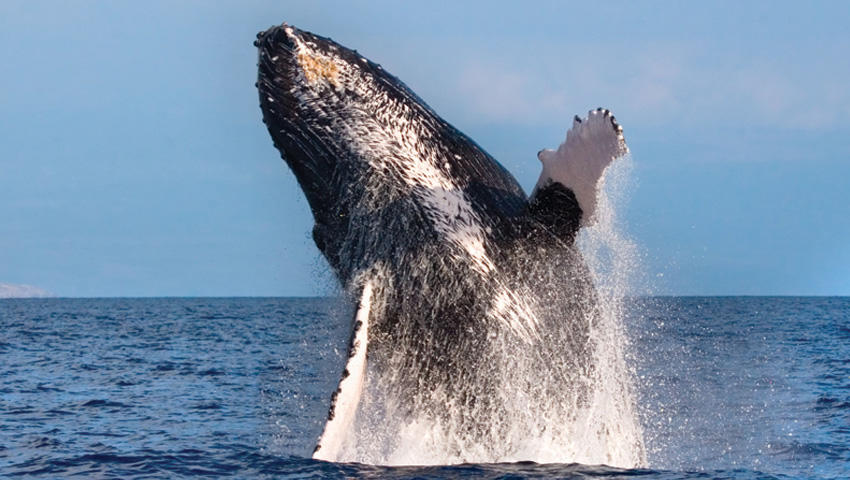
There are places where whales are a spectacle to be glimpsed from crowded piers, and there are places where the ocean itself seems to open a corridor just for them. Makaha is the latter. On Oʻahu's leeward flank the coastline drops away, and offshore swells follow routes that humpback whales favor during their seasonal migration. From December through April, the sea becomes a theater. Pods surface in slow, choreographed movements: exhalations steaming in cool air, tails flipping in slow arcs, and prolonged spyhops that lift dark eyes above the water to regard the passing world.

What differentiates Makaha is its mood. Compared with the busier harbors on the island’s south and east sides, the Leeward Coast retains a quieter, more local rhythm. Small family-run operators launch from low-key ramps and secluded bays; shorelines are less developed, offering cliffside vantage points and hidden beaches that double as natural observatories. The whales here often travel close to shore, drawn by deep-water channels and prey patterns shaped by currents that skirt the coastline. That proximity makes Makaha a place where a whale’s fluke or a towering breach can rearrange a day into a story you’ll tell long after the trip.

There’s a cultural dimension, too. Makaha’s communities have deep ties to both the sea and Hawaiian practices—fishing, navigation, and respect for the creatures that pass through their waters. Many local operators emphasize stewardship and NOAA-compliant viewing, combining science-based distance rules with storytelling about the whales’ life cycles, songs, and the fragile ocean habitats that sustain them. Visitors leave with more than a list of sightings: they gain context—how warming seas, changing prey distributions, and coastal development affect migration routes, and what responsible viewing looks like.

Practically speaking, Makaha delivers a versatile whale-watching experience. Mornings often bring calmer seas for comfortable boat trips; afternoon light sculpts the ocean into a photographable palette. Shore-based viewing is an option for travelers who prefer to stay landbound, while photographers and serious naturalists can arrange small-group charters with skippers who know where humpbacks linger and how to position boats for respectful, legal sightings. If you pair a whale-watch with other Leeward Coast activities—surf sessions on legendary breaks, hikes toward Kaʻena Point Natural Area Reserve, or tidepooling at quiet coves—the result is an immersive coastal program that feels restorative instead of rushed.

The variety of experiences is a major draw: choose from short coastal cruises, half-day catamarans, small zodiac tours for photography, or a quiet shore-watching morning at local cliffs—each offers a different balance of comfort, intimacy, and opportunity to see different behaviors.

Seasonality controls the rhythm: December through April brings the humpbacks in numbers and behaviors that are viewable from both boat and shore. Outside that window, the waters are quieter for whale activity but excellent for other Leeward pursuits like surfing, snorkeling, and birding at Kaʻena Point.

Activity focus: Whale watching (primarily North Pacific humpback whales)
Best season: December–April (peak breeding and calving time)
Number of local whale-watch experiences: 77
Typical viewing approach regulation: maintain recommended NOAA distances (boats: ~100 yards)
Best vantage: small-boat charters for close encounters; Kaʻena Point and Makaha cliffs for shore-based spotting

Best Time to Visit

Best Months

DecemberJanuaryFebruaryMarchApril

Weather Notes

Winter months bring the humpbacks and cooler trade-wind breezes; mornings are often calmer for boat outings. Leeward Makaha is sheltered compared with the windward coast, but swells and fog can still affect access. Summer offers calmer open-water conditions and warm, clear days but far fewer whale sightings.

Peak Season

December–April is the busiest season for whale activity and bookings.

Off-Season Opportunities

From late spring through fall you’ll find quieter tourism, better conditions for snorkeling and surfing, and easier availability for private charters or guided coastal hikes.

Frequently Asked Questions

Do I need a permit to go on a whale-watch?

Most commercial whale-watch tours operate under standard safety and marine regulations; you don't need a permit as a passenger. Operators should follow NOAA guidelines for approach distances—confirm that your chosen company adheres to all local rules.

How close can boats get to whales?

NOAA regulations and best practices require keeping a respectful distance—commercial operators typically maintain at least 100 yards (about 91 meters) and approach slowly and parallel when permitted. Local captains know how to position vessels for legal, safe viewing without stressing the animals.

Can I see whales from shore in Makaha?

Yes. When whales travel nearshore many sightings happen from high points and beaches along the Leeward Coast, especially at the cliffs near Makaha and viewpoints toward Kaʻena Point. Shore viewing is weather-dependent and more likely during calm sea states.

Choose Your Experience Level

Beginner

Ideal for travelers seeking accessible, low-commitment encounters—shore-based spotting or short, comfortable coastal cruises with large catamarans.

  • Cliffside whale spotting at Makaha lookout
  • Short catamaran coastal cruise (2–3 hours)
  • Half-day guided shore-watching with interpretive talk

Intermediate

For passengers comfortable on smaller boats and eager for closer observation—small-group charters and zodiac trips that prioritize photography and up-close behavior watching.

  • Small-group zodiac photography trips
  • Half-day small-boat charters with naturalist guides
  • Sunrise whale-watch combined with birding at Kaʻena Point

Advanced

For serious naturalists, photographers, or those seeking specialized experiences—private charters, photo-focused expeditions, or research-boat trips that require advance planning and sometimes higher cost.

  • Private photo charter with extended range
  • Collaborative trips with marine biologists or acoustic researchers
  • Custom multi-activity days combining whale-watch, surf, and coastal exploration

Insider Tips & Local Knowledge

Verify boat safety standards, NOAA viewing rules, and weather forecasts before booking. Book early in peak months and favor morning departures for calmer seas.

Choose small, locally run operators for more flexible itineraries and experienced captains familiar with Leeward whale behavior. Mornings typically offer the calmest conditions and cleaner photos; afternoon light can create dramatic silhouettes but choppier seas. If you’re prone to seasickness, take medication ahead of time and pick larger catamarans or trips advertised as ‘stable.’ Respect distance guidelines—approach-based viewing stresses whales and can put a tour at legal risk. Combine a whale-watch with a hike to Kaʻena Point or a surf session at Makaha Beach to round out a day on the Leeward Coast. Finally, bring patience: whales don’t follow a timetable, but a thoughtful trip—guided by a local captain who reads the water and the whales—usually pays off.

What to Bring

Essential

  • Binoculars or a compact spotting scope
  • Motion-sickness remedies if you're prone to seasickness
  • Layered clothing and a lightweight windproof jacket
  • Reef-safe sunscreen and a hat
  • Water bottle and small snacks
  • Phone or camera with charged batteries and extra storage

Recommended

  • Telephoto lens (for photographers) or a compact camera with optical zoom
  • Waterproof dry bag for electronics
  • Sunglasses with a polarized lens
  • Cash or card for tips and small purchases

Optional

  • Small tripod or monopod for stabilized shooting on larger boats
  • Shore chair or blanket for cliffside viewing
  • Reusable binocular strap or harness

Ready for Your Whale Watch Adventure?

Browse 77 verified trips in Makaha with instant booking

Explore Top 15 Makaha, Hawaii Adventures →