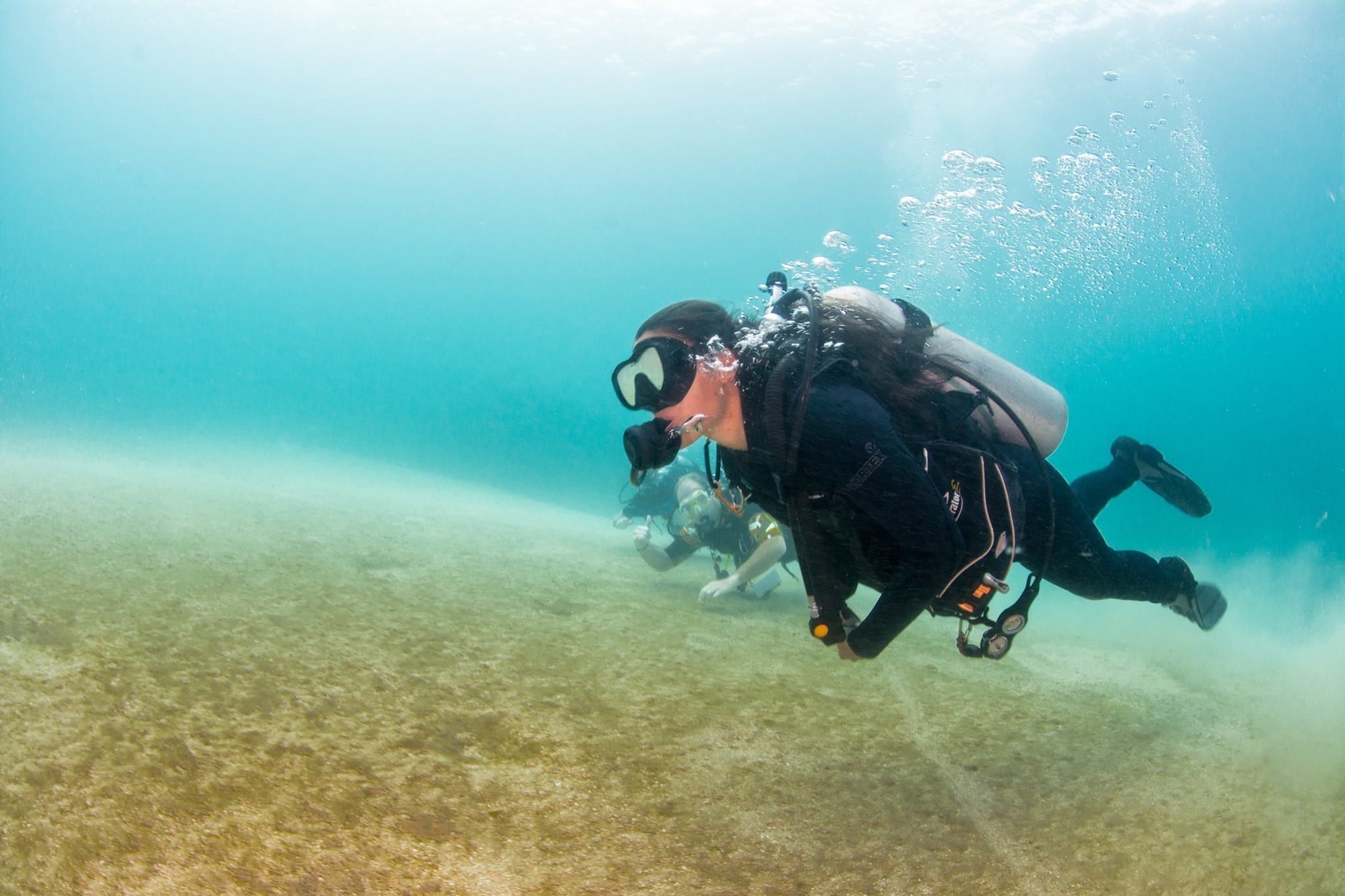
Top 8 Dolphin Adventures in Lihue, Hawaii
Lihue's shoreline opens into warm Pacific seas where dolphins—sleek, social, and endlessly curious—are often the star attraction. From short harbor cruises to guided snorkeling trips and paddling excursions that skirt calm bays, dolphin experiences around Lihue balance effortless wildlife viewing with intimate marine activity. This guide focuses on where to watch, when to go, how to respect the animals, and which complementary adventures (snorkeling, kayaking, photography-focused tours) make the most efficient and memorable days at sea.
Top Dolphin Trips in Lihue
8 trips • Book with confidence • Instant confirmation
Why Lihue Is a Standout Dolphin Destination
There is a particular cadence to mornings on Kauai’s south shore: the light comes soft off the low-lying hills, the trade winds whisper and, if you time it right, a pod of dolphins will slice through the glassy water like a practiced line of punctuation. Lihue sits near sheltered bays and a scattering of reefs where ocean currents, water depth, and abundant food sources make for reliable sightings. For travelers who want to feel small in the best possible way—surrounded by wild intelligence and effortless movement—the experience of watching dolphins near Lihue is elemental. It’s not a single, manufactured attraction; it’s a moment when the natural rhythms of the sea intersect with human curiosity.
On any given trip out of Nawiliwili Harbor or the nearby launch points, you’ll encounter different flavors of dolphin encounters. Spinner dolphins—named for their aerial acrobatics—often travel in energetic groups that ride bow waves and leap in choreographed bursts at dawn. Bottlenose dolphins are more deliberate; they may roll and investigate a kayak or bob quietly in shallower water, offering long looks at their streamlined profiles. Local operators have learned how to read behavior patterns: mornings often mean calmer seas and more bow-riding; afternoons can favor quieter, observational outings when groups rest nearershore. This pattern isn’t guaranteed, but it makes timing and choice of vessel relevant to the quality of the encounter.
Beyond the moment of seeing the animals, Lihue’s dolphin outings are woven into a broader coastal story. You can combine a half-day wildlife cruise with snorkeling off a reef where reef fish arc in technicolor, or pair an early-morning kayak launch with a guided tour of river estuaries that feed nutrients into coastal waters. The cultural context matters, too: Native Hawaiian perspectives treat the ocean and its creatures with reciprocal respect. Many local guides incorporate cultural notes—storied places, traditional navigation, and marine stewardship—into their briefings, reminding visitors that these animals are neighbors, not props.
Practical considerations are central to making the memory last. Operators vary in vessel size, trip length, and approach style; smaller, low-impact tours give you a closer, quieter feel, while larger boats can cover more ocean and increase the odds of long-distance sightings. Regulations and best practices for marine mammals exist to protect both people and dolphins: approach distances, limits on swimming with wild dolphins, and no-chase policies shape responsible tours. Finally, weather and sea conditions—trade winds, swell, and occasional showers—determine comfort and visibility, so planning for the season and packing appropriately makes the difference between a good day and a great one.
Varied encounters: Lihue offers both casual harbor cruises for families and active snorkeling or paddling trips for travelers seeking closer, immersive experiences. Choose based on desired proximity and comfort with ocean conditions.
Cultural and ecological framing: Many local operators include Hawaiian cultural context and conservation-minded guidance, which enriches the experience and helps protect fragile marine ecosystems.
Timing and conditions matter: Early-morning departures on calm days maximize the chance of close sightings and smoother water for photography, snorkeling, and paddling.
Best Time to Visit
Best Months
Weather Notes
Kauai’s climate is warm year‑round. Expect tradewinds, occasional showers, and choppy water on windier days. Mornings are typically calmer and clearer for ocean outings; late afternoon can bring more breeze and surface chop.
Peak Season
Summer (June–August) and winter holiday travel periods are the busiest times for tours and harbor activity.
Off-Season Opportunities
Shoulder months (spring and fall) often provide smaller crowds, calmer seas, and a good balance of weather—ideal for photography-focused and small-group tours.
Frequently Asked Questions
Can I swim with wild dolphins in Lihue?
Regulations and best-practice guidelines discourage and often prohibit swimming with wild dolphins. Responsible operators emphasize observation from a respectful distance; if close encounters occur, follow crew instructions and do not pursue or attempt to touch the animals.
When is the best time of day to see dolphins?
Early morning departures usually offer the calmest seas and the highest chance of close, sustained sightings. Midday can still be productive, but increased boat traffic and wind may affect visibility and behavior.
Are dolphin tours suitable for children and non-swimmers?
Yes—many harbor cruises are family-friendly and accessible for non-swimmers. Snorkeling trips require basic swimming comfort and are often not recommended for very young children or those uncomfortable in open water.
Choose Your Experience Level
Beginner
Gentle, accessible ways to see dolphins with minimal ocean exposure—great for families and travelers who prefer comfort.
- Half-hour to two-hour harbor dolphin cruise
- Early-morning bow-riding viewing trip
- Coastal wildlife boat tour with on-board narration
Intermediate
More active outings that combine dolphin viewing with snorkeling or short paddles; some sea comfort and basic swimming ability recommended.
- Guided snorkeling trip to nearshore reefs with dolphin sightings
- Kayak or SUP launch along protected bays with possible dolphin encounters
- Small-group wildlife cruise focused on behavior observation and photography
Advanced
Full-day marine excursions and photography-focused trips that require stamina, ocean skills, or technical equipment—best for experienced paddlers, snorkelers, and sea kayakers.
- Longer offshore trip that combines marine life surveying and advanced snorkeling
- Paddle-surf expeditions to quieter coves where dolphins may hunt or rest
- Marine biology or citizen-science tours with data collection elements
Insider Tips & Local Knowledge
Respect, preparation, and an early start make the best dolphin days.
Choose morning departures for calmer seas and closer encounters—operators often report more bow-riding behavior at first light. Pick a small‑group or low‑impact tour if you want quieter approaches and better photo opportunities; larger boats increase search area but reduce intimacy. Always use reef‑safe sunscreen and secure loose gear—both to protect coral and to prevent losing equipment overboard. Listen closely to crew briefings: they will tell you how to safely observe, what behavior indicates stress in animals, and when to back off. If you plan to snorkel, bring your own mask for fit and hygiene; consider a short neoprene top for buoyancy and sun protection. Combine a dolphin outing with nearby coastal activities—snorkeling at a protected reef, a Wailua River paddle, or a beach afternoon at Kalapaki—to make efficient use of travel time. Finally, support operators that demonstrate clear adherence to marine mammal guidelines and local stewardship; those businesses often provide a richer, more educational experience while contributing to long‑term conservation.
What to Bring
Essential
- Reef‑safe sunscreen and sun protection (hat, UV shirt)
- Light waterproof jacket for wind or brief rain
- Water bottle and snacks for half-day trips
- Seasickness medication or acupressure bands if prone
- Waterproof camera or action camera with float strap
Recommended
- Personal snorkel mask for better fit and hygiene
- Light neoprene top or shorty for comfort in cooler mornings
- Small dry bag for phone, keys, and sunscreen
- Binoculars for distant sightings and behavior observation
Optional
- Polarized sunglasses for glare reduction
- Underwater camera for reef and dolphin behavior (keep a distance)
- A small notebook for jotting notes on animal behavior and locations
Ready for Your Dolphin Adventure?
Browse 8 verified trips in Lihue with instant booking
Explore Top 15 Lihue, Hawaii Adventures →