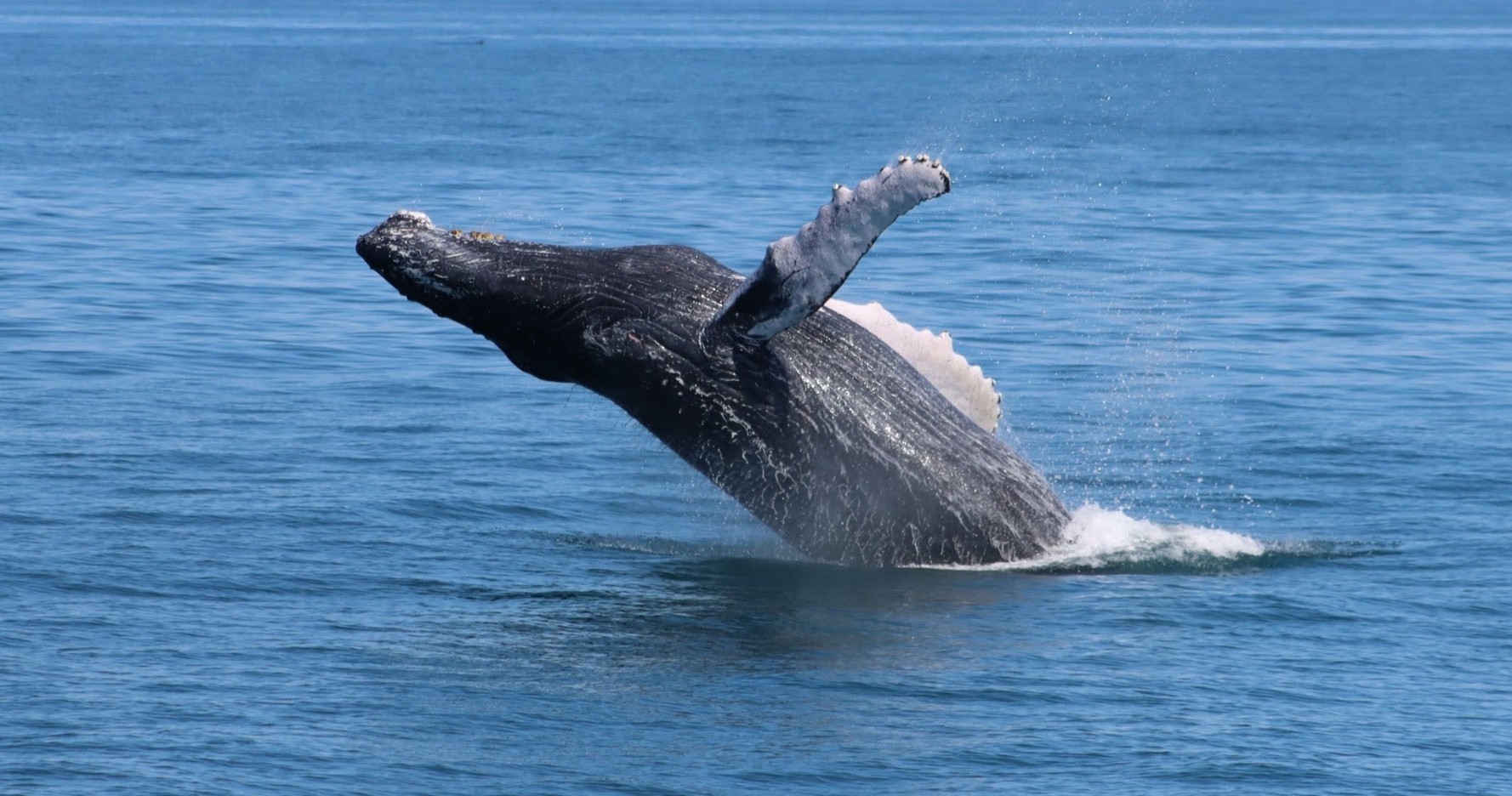
Dolphin Encounters Near Leesburg, New Jersey

Leesburg, New Jersey

Leesburg sits inland from New Jersey’s southern bays and waters, but it’s a surprisingly good springboard for dolphin-focused outings. From shore-based vantage points where pods sometimes cruise the estuary edge to guided boat departures a short drive away, dolphin experiences around Leesburg blend tidal ecology, coastal birdlife, and the thrill of marine mammals surfing the current. This guide focuses on how to plan sightings, what to expect on the water, and complementary activities that expand a dolphin day into a full coastal adventure.

4
Activities
Late spring–early fall
Best Months

Top Dolphin Trips in Leesburg

4 trips • Book with confidence • Instant confirmation

Why Leesburg Is a Smart Base for Dolphin Watching

The surprising thing about spotting dolphins near Leesburg is how quickly the landscape shifts from quiet farmland and salt marsh to a living coastal corridor. In spring and summer the Delaware Bay and adjoining estuaries warm, drawing baitfish and birds — and with them, the small, fearless dolphins that follow prey into shallow channels. For a traveler based in Leesburg, the experience feels intimate: rather than watching animals flee a crowded open ocean, you witness them moving through tidal channels where currents funnel food and create natural viewing windows.

But dolphin watching here is not simply about the animals. It’s an immersion in an edge habitat where freshwater meets salt, where marsh grasses ripple and migratory birds wheel overhead. The human side of the story matters too: local boat captains and naturalists often have lifetime ties to the bay and its rhythms, and their regional knowledge markedly increases the odds of an encounter. A late-afternoon cruise after a falling tide or a morning run when baitfish congregate near creek mouths can be decisive — and the storytelling from a small, knowledgeable captain turns a sighting into a layered understanding of feeding behavior, seasonal patterns, and the stresses coastal wildlife face.

Practical travelers will appreciate that Leesburg’s inland address brings logistic benefits: quieter roads, affordable nearby lodging, and a gateway to other low-key coastal activities. Add a kayak outing in the Maurice River for a paddle that often runs parallel to where dolphins hunt, or plan a shoreline walk at high tide to scan for dorsal fins from the marsh edge. Combining modes—shore spotting, an open-deck boat trip, and a guided kayak—creates both redundancy (good for variable sightings) and a richer ecological picture. Finally, the region’s weather and tidal calendars strongly dictate success: calm mornings and stable late-summer water temperatures improve visibility and dolphin presence, while stormy periods push animals to different areas and make boat options limited. With a bit of timing and local guidance, Leesburg becomes less of an odd starting point and more of a strategic hub for meaningful dolphin encounters.

Dolphin activity here tends to be seasonal and tied to forage: late spring through early fall is when sightings are most frequent because baitfish and squid concentrate in channels and nearshore bars.

Complementary activities—birding, coastal hiking, estuary kayak tours, and seafood-focused culinary stops—pair naturally with dolphin outings, turning a single sighting into a full-day, multimodal coastal immersion.

Activity focus: Dolphin watching and marine wildlife observation
Base: Leesburg is an inland starting point—expect short drives to coastal launch points
Typical approach: small-boat tours, shore scanning, and estuary paddles
Visibility depends on tide, wind, and water clarity; summer mornings are often best
Combine dolphin trips with birdwatching, crabbing demonstrations, or a coastal hike

Best Time to Visit

Best Months

MayJuneJulyAugustSeptember

Weather Notes

Calm, warm mornings in late spring and summer offer the best conditions for dolphin sightings and comfortable boat rides. Breezy afternoons can create chop that reduces spotting success. Fall can produce excellent feeding events but is more weather-dependent.

Peak Season

Summer (June–August) when warm water and forage concentrate dolphins closer to shore.

Off-Season Opportunities

Shoulder seasons (May and September) often deliver fewer crowds and good feeding activity; winter sees far fewer dolphin sightings but offers quiet shoreline birding and coastal storm-watching.

Frequently Asked Questions

Can you see dolphins from shore near Leesburg?

Occasionally, yes—especially along estuary mouths and high vantage points during strong feeding events. For reliable encounters, plan a short-drive boat trip to open channels or guided estuary paddles.

Are dolphin-watching tours kid- and family-friendly?

Many small-boat excursions welcome families and are suitable for older children; check operator age and safety policies before booking. Bring lifejackets as required and consider motion-sickness prevention for sensitive riders.

Do tours guarantee sightings?

No reputable operator guarantees wildlife sightings. Look for trips led by captains who emphasize local knowledge and habitat-based strategies to improve chances.

Choose Your Experience Level

Beginner

Low-effort, family-friendly options: shore scanning from accessible points and short guided boat tours on calm days.

  • Short bay cruise focused on marine mammals
  • Shoreline spotting at estuary mouths
  • Interpretive wildlife boat with a naturalist

Intermediate

Longer excursions and active marine experiences: half-day boat trips, guided kayak outings in estuaries where dolphin presence is possible, and combined birding-and-dolphin tours.

  • Half-day dolphin and birding cruise
  • Guided estuary kayak with wildlife interpretation
  • Photography-focused open-deck boat trip

Advanced

Self-guided coastal expeditions for experienced mariners or paddlers: independent launch and extended scouting along the bay’s channels—requires solid weather and tide knowledge.

  • Multi-hour scouting trip in private boat
  • Extended paddle to remote creek mouths (advanced tidal planning required)
  • Citizen-science observation shifts for marine monitoring programs

Insider Tips & Local Knowledge

Timing, tides, and local expertise make the difference between a fleeting glimpse and a memorable encounter—plan accordingly.

Start by checking tide charts and aim for the hours when bait concentrates in channels—this is often around falling to low tide transitions. Book trips in the morning when winds are lighter; if you must go in the afternoon, choose a day with settled conditions. Talk to local captains or naturalists before you go; they’ll tell you where recent activity has been and which launch points are currently favorable. For photographers, a polarizing filter reduces glare on reflective water and helps reveal surfacing animals; for everyone, layer up—bayside winds can be chilly even in summer. Finally, respect wildlife viewing distances and follow any guidance from your guide: quick, quiet observation is best for both safety and the health of the animals.

What to Bring

Essential

  • Binoculars with good close-focus
  • Light waterproof jacket and wind layer
  • Sunscreen, hat, and polarized sunglasses
  • Motion-sickness medication if you are prone to seasickness
  • Water bottle and snacks

Recommended

  • Telephoto or zoom camera lens with stabilization
  • Small dry bag for devices
  • Comfortable shoes for boarding small boats or walking shoreline
  • A printed or downloaded tide table for the day of your trip

Optional

  • Field guide for local seabirds
  • Notebook for observational notes
  • Compact spotting scope for long-distance shore scanning

Ready for Your Dolphin Adventure?

Browse 4 verified trips in Leesburg with instant booking

Explore Top 15 Leesburg, New Jersey Adventures →