Whale Watching Near Lee, New Hampshire — Coastal Trips & Tips
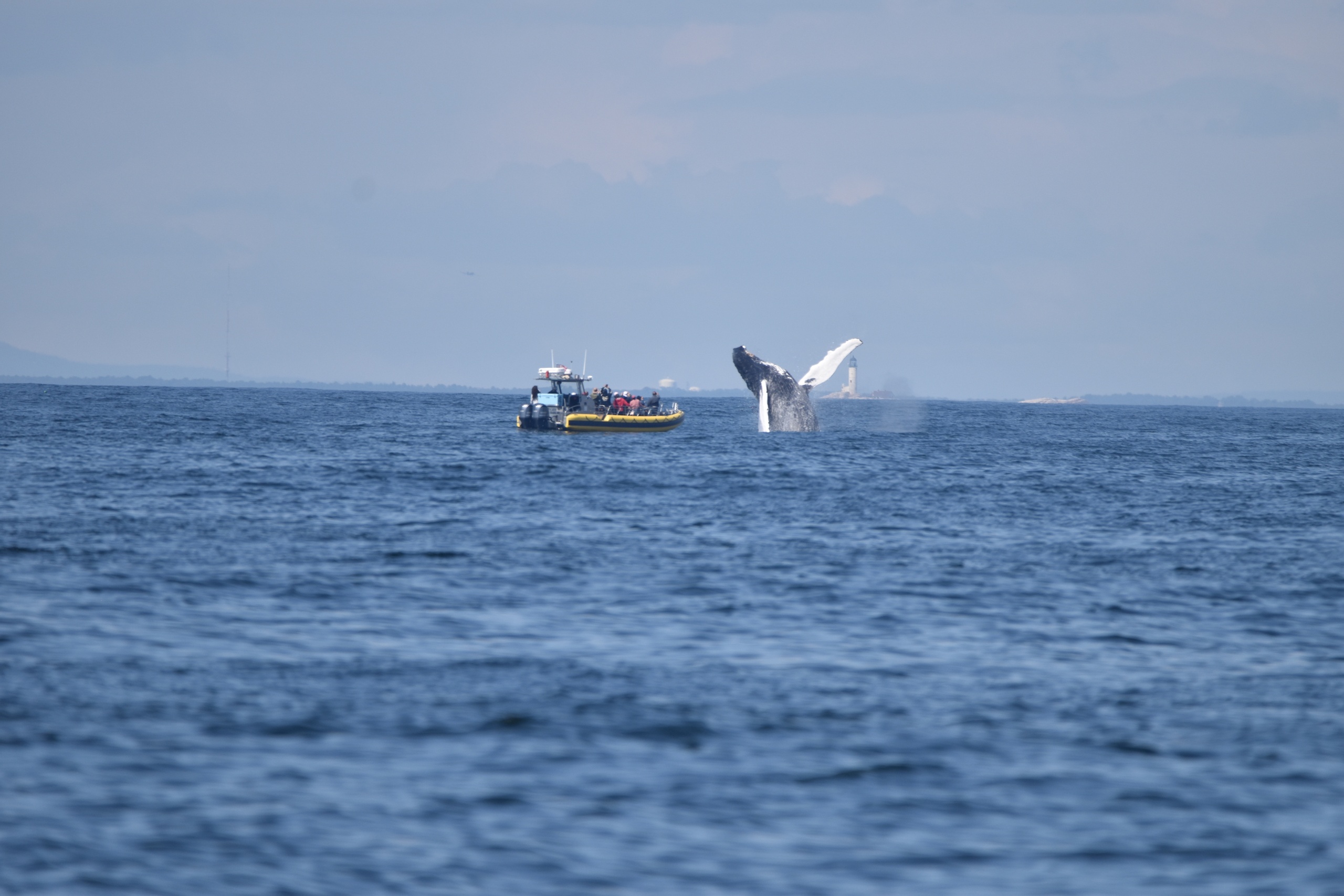
Nestled inland among quiet backroads and farmfields, Lee is a surprising base for probing the rich marine life of the Gulf of Maine. Whale-watching departures run from nearby Portsmouth, Rye, and other Seacoast harbors; trips range from short harbor cruises to full offshore excursions that track feeding humpbacks, minkes, and occasional fin whales. This guide foregrounds the experience—what whale watching feels like at sea, the seasonal rhythms of the animals, and the practical planning for travelers based in or passing through Lee.
Top Whale Watch Trips in Lee
6 trips • Book with confidence • Instant confirmation
Why Whale Watching Near Lee Works — The Short Drive to Big Water
Lee sits inland, but the town’s proximity to the Seacoast makes it an unexpectedly convenient launch point for marine encounters. Within roughly a 30–45 minute drive you'll find the Portsmouth-Rye corridor, where sheltered harbors give way to the deeper channels of the Gulf of Maine. That Gulf is one of the most productive temperate shelf ecosystems in the world: its mixing currents and nutrient-rich waters concentrate plankton and baitfish, which in turn attract the whales. For travelers based in Lee, a whale-watch day can fold neatly into broader coastal plans—morning coffee in a small-town café, a short drive to a harbor, and an afternoon at sea watching barnacled giants move through blue water.
On a whale-watch trip the landscape changes from human-scaled to vast. The dock, the small fishing boats, and the lighthouse quickly recede; the horizon becomes the defining feature. Humpback whales are the most visible presence for much of the season—arching flukes, long pectoral fins, and frequent surface activity. Minkes and occasional fin whales also visit the feeding grounds, and the same productive waters host huge flocks of terns, shearwaters, and gannets that can be as dramatic as the whales themselves. The rhythms you witness—baitballs breaking the surface, birds diving in synchrony, a blow or breach interrupting the ocean’s surface—are the product of a layered marine food web and seasonal migrations.
Practical considerations shape the experience in ways that matter. Tours vary by distance offshore, vessel type, and trip length: short cruises explore coastal pockets and are easier on anyone prone to seasickness; full offshore trips go farther, increasing the chance of extended encounters but requiring a stronger stomach and more time. Weather and sea state determine safety and comfort; fog, wind, and swell can shorten the season or shift daily departure schedules. Local ports such as Portsmouth or nearby New Hampshire harbors and southern Maine embarkation points are the usual gateways—operators there are seasoned at reading the sea and the migration patterns. For Lee-based travelers, combining whale watching with complementary coastal activities—kayaking along estuaries, birding at salt marshes, or exploring Portsmouth’s maritime history—makes a seamless, layered day along New Hampshire’s short but lively coastline.
The Gulf of Maine’s productivity is seasonal: late spring through early fall brings the strongest concentrations of whales as plankton and forage fish bloom; timing a trip within that window increases odds of sightings.
Trips balance proximity and ambition: short harbor cruises are accessible and family-friendly; full-day or offshore trips cover more ground and more feeding habitat but demand patience and better sea tolerance.
Best Time to Visit
Best Months
Weather Notes
Late spring through early fall brings the warmest water and highest foraging activity; mornings are often calmer, and afternoon sea breezes pick up. Fog can be common near the coast in summer mornings; offshore swells increase in windy weather.
Peak Season
July–August tend to be the busiest for whale-watching trips and coastal tourism.
Off-Season Opportunities
Shoulder seasons (May–June, September–October) offer excellent viewing with fewer crowds and active feeding behavior; some operators reduce schedules or pause between seasons.
Frequently Asked Questions
How close will the boat get to whales?
Regulations and responsible operators maintain distance to avoid disturbing whales; viewing distance varies with behavior and species. Expect binocular-aided looks, long slow approaches, and occasional closer surface displays when animals remain unconcerned.
Is whale watching suitable for families and kids?
Yes—many harbor cruises are family-friendly, shorter, and operate on stable vessels. Longer offshore trips are better suited to older children and adults used to time at sea.
What about seasickness and motion concerns?
If you’re prone to seasickness, choose shorter nearshore trips, sit midship where motion is reduced, and consider over-the-counter or prescription remedies. Morning departures tend to be calmer.
Choose Your Experience Level
Beginner
Short harbor cruises and nearshore excursions that prioritize comfort and accessibility. Good for first-timers, families, and those wary of open-ocean conditions.
- 1–2 hour harbor whale-watch loop
- Coastal wildlife cruise with seabird spotting
- Combined lighthouse and short whale-watch outing
Intermediate
Half-day nearshore trips that head into deeper water when conditions permit—greater likelihood of close and sustained sightings for guests willing to spend more time aboard.
- 3–4 hour nearshore feeding-ground runs
- Photography-focused trips with extended time on station
- Combined whale watch and seal- or seabird-centered excursions
Advanced
Full-day offshore excursions that require tolerance for longer sea time and variable conditions; these trips explore farther reaches of the Gulf of Maine and the shelf edges where larger whales sometimes feed.
- Full-day offshore search trips
- Targeted expeditions timed with baitfish runs
- Extended photography or naturalist-guided voyages
Insider Tips & Local Knowledge
Operators prioritize safety and marine stewardship—follow crew instructions, respect wildlife viewing distances, and check cancellation policies before booking.
Book early during peak summer weekends and holiday periods; shoulder-season mornings often combine calm seas with excellent marine activity. For comfort, choose a seat midship and layer for wind. If photography is a priority, bring a telephoto lens (200–400mm) and a strap; if you’re chasing action and long exposures, practice handheld stabilization techniques ahead of the trip. Pair a whale-watch with a coastal hike, a harborfront meal in Portsmouth, or a seal- and seabird-focused paddle from calmer estuaries for a full-day itinerary. Lastly, learn a bit of the local natural history—knowing why baitfish aggregate and how seabirds signal feeding will make every blow and breach more meaningful.
What to Bring
Essential
- Layered outerwear — wind- and water-resistant jacket
- Motion-sickness remedies if prone to seasickness (consult a pharmacist or doctor)
- Binoculars and a camera with a zoom lens
- Sunglasses, hat, and sunscreen
- Reusable water bottle and snacks (check operator rules)
Recommended
- Warm mid-layer even on warm days — wind chills at sea are notable
- Closed-toe shoes with good grip
- Light waterproof pants or foul-weather bibs for splashy decks
- Small daypack that straps in or secures to a seat
Optional
- Polarizing filter for photography
- Notebook for jotting sighting notes (species, behaviors, time)
- Travel-size binoculars for children
Ready for Your Whale Watch Adventure?
Browse 6 verified trips in Lee with instant booking
Explore Top 15 Lee, New Hampshire Adventures →