1

Top Water Activities in Laupāhoehoe, Hawaii

Laupāhoehoe, Hawaii

The northeast shoreline of Hawaiʻi Island folds into a compact concentration of ocean experiences: black-sand tide pools, sheltered snorkeling coves, dramatic lava rock shorelines, and seasonal surf that draws locals and skilled riders. This guide focuses on water-based adventures centered on Laupāhoehoe—activities that move you across the ocean surface, under it, and along the rugged coastline—while pointing to nearby bays and services that round out a day on the water.

32
Activities
Year-round (calm summer snorkeling, big north swells in winter)
Best Months

Top Water Activities Trips in Laupāhoehoe

32 trips • Book with confidence • Instant confirmation

Why Laupāhoehoe Is a Standout Place for Water Activities

Laupāhoehoe sits like a weathered hinge on Hawaiʻi Island’s Hāmākua Coast—a narrow seam where green cliffs drop into jagged lava and the Pacific makes its first wide sweep. The coastline here resists easy categorization: it’s not a long stretch of golden beach, but rather a mosaic of black-sand pockets, tidepools, and rock-formed coves that concentrate marine life and create surprisingly varied water experiences in a small area. For snorkelers and freedivers, that means quick access from shore to vibrant reef edges. For paddlers and SUP enthusiasts, it means shelter in calm leeward pockets and dramatic paddles along lava-cliff frontiers. For surfers, the north-facing orientation brings reliable winter swells that reshape the coast and reward skill.

The character of Laupāhoehoe’s water activities is a product of geology and oceanography: rugged lava platforms, intermittent beaches, and offshore reefs generate current patterns and pockets of refuge. Seasonal shifts are pronounced—the tradewinds and summer swells tend to ease conditions, making shallow snorkeling and paddleboarding pleasant; winter storms and large north swells transform the same coastline into an arena for experienced surfers and spectacle for shore-based observers. That variability attracts a broad mix of travelers: families exploring tidepools at low tide, snorkelers seeking reef fish and green sea turtles in clearer summer seas, photographers chasing molten-sky sunsets, and local surfers who read the currents like a language.

Culturally, the coast is threaded with Hawaiian practices of stewardship and fishing that predate tourism. When you slip into the water here, you are entering a living shoreline used for generations as a source of food, ceremony, and travel. Respect for reef life, reef-safe sunscreen, and low-impact access—using existing paths and avoiding trampling of tidepool habitats—are practical ways visitors can align with local expectations. Nearby towns and services are compact; planning matters. Because access points are often narrow and parking limited, a successful water day in Laupāhoehoe blends logistical attention with a willingness to be flexible: watch morning conditions, time open-water activities for calmer windows, and be prepared to shift from snorkeling to a coastal walk or tidepool survey if conditions change. The payoff is immediate: intimate marine encounters, quiet shorelines, and the kind of ocean clarity that makes Hawaiʻi’s underwater world feel refreshingly close.

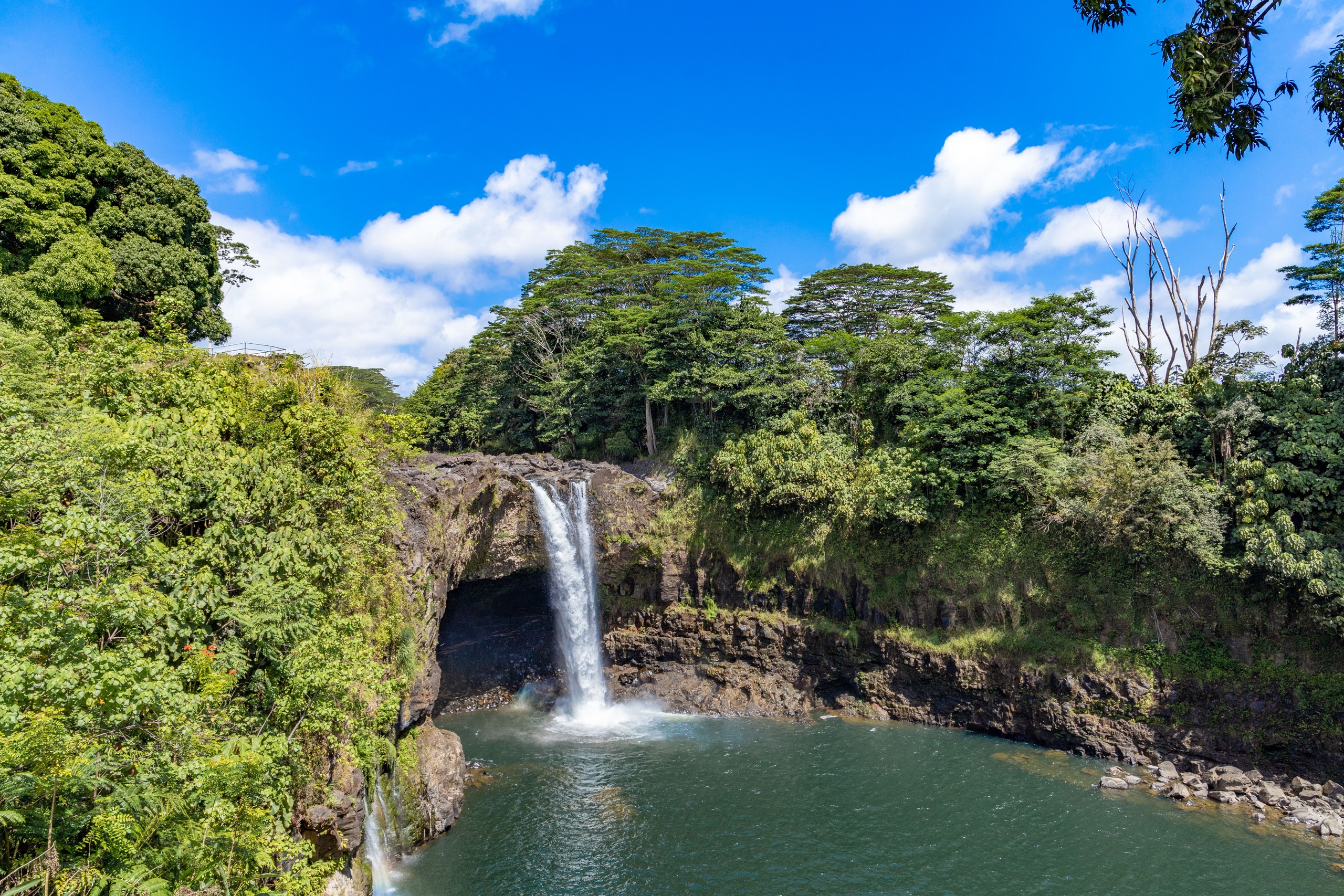
The Hāmākua Coast’s volcanic shoreline produces dramatic vistas and concentrated marine habitats—ideal for short, high-value sessions in the water rather than long beach languishing.

Seasonality shapes the experience: summer months generally bring calmer seas and the best conditions for snorkeling, while winter brings larger north swells suited to experienced surfers and dynamic shoreline viewing.

Laupāhoehoe’s coastal access points are often compact; pairing water time with nearby coastal hikes, tidepool exploration, or cultural site visits makes the most of a day.

Activity focus: Shore snorkeling, tidepooling, SUP & coastal paddling, ocean swimming, surf (nearby breaks), fishing charters and whale watching seasonally
Compact access: several public entry points and a principal beach park (Laupāhoehoe Beach Park) for launching and shore access
Seasonal patterns: calmer seas May–September; larger north swells November–March
Wildlife highlights: reef fish, green sea turtles, occasional spinner dolphins, and humpback whales offshore in winter months
Safety note: currents and shorebreak can be strong—local knowledge and timing matter

Best Time to Visit

Best Months

MayJuneJulyAugustSeptember

Weather Notes

Summer months typically bring lighter tradewinds and smaller north swells, creating the clearest and calmest windows for snorkeling, SUP, and beginner-friendly ocean swims. Winter storms offshore produce larger north swells and windier conditions—excellent for experienced surfers and scenic shoreline watching but more hazardous for casual swimmers.

Peak Season

Summer (May–September) for calm-water snorkeling and paddle sports; winter brings visitors for surf and whale season, increasing roadside viewing and surf traffic.

Off-Season Opportunities

Winter weekdays can offer dramatic surf viewing and whale-watching opportunities from shore; experienced water users can find powerful waves and fewer crowds—but conditions demand respect and local knowledge.

Frequently Asked Questions

Are there good snorkeling spots right in Laupāhoehoe?

Yes—several small coves and the tidepool areas near Laupāhoehoe Beach Park provide shore-access snorkeling in calmer months. Expect limited sand beach area and rocky entries; pick a calm day and use water shoes for safer access.

Is it safe to swim year-round?

Swimming is common year-round but conditions change with swell and wind. Summer is generally safer for casual swimming; winter north swells can create strong current and shorebreak. Check local forecasts and ask residents or outfitters if unsure.

Can I rent gear locally?

Rental options in Laupāhoehoe itself are limited. Plan to bring your own basic snorkeling or paddle gear or arrange rentals and guided trips from Hilo or nearby towns where services are more plentiful.

Choose Your Experience Level

Beginner

Gentle paddleboarding and sheltered shore snorkeling in calm summer conditions, tidepool exploration, and guided introductory surf lessons in nearby protected breaks.

  • Shallow shore snorkeling at Laupāhoehoe Beach Park
  • Tidepool exploration at low tide
  • Calm-water SUP in protected coves

Intermediate

Longer coastal paddles around lava headlands, shore dives and freediving in clear summer water, and seasonal whale-watching excursions from the coast or nearby charter boats.

  • Coastal SUP or kayak route along the Hāmākua shore
  • Guided reef snorkel sessions targeting local marine life
  • Half-day fishing or wildlife charter departing from nearby harbors

Advanced

Open-ocean paddles exposed to swell and wind, surfing north swells in winter at technical reef breaks, and solo freediving or long-distance swims that require strong ocean-read skills and safety support.

  • Surfing winter north swells at advanced breaks
  • Open-water crossing or long coastal paddle in variable conditions
  • Technical freediving and deep reef exploration with a buddy or guide

Insider Tips & Local Knowledge

Respect the reef and local access: use established paths, carry out what you bring in, and prioritize reef-safe practices.

Start early to find glassy water windows and quieter parking. Check tide charts—low to mid tide opens tidepools and rock-entry snorkeling but can expose sharp reef; incoming tide often improves clarity but may strengthen currents. If you’re unsure about conditions, ask at a local business in Hilo or Honokaʻa for recent reports before launching. For paddlers, a disposable or inexpensive waterproof VHF or phone in a drybag and a surface marker buoy are simple safety upgrades. Pack reef-safe sunscreen and keep a respectful distance from turtles and resting marine mammals—silence and slow movements make for better wildlife encounters. Finally, pair water time with a short hike along the coast or a stop at local food stands to sample regional flavors—the Hāmākua Coast rewards a day that alternates movement and shoreline contemplation.

What to Bring

Essential

  • Reef-safe sunscreen and sun protection (hat, UV shirt)
  • Snorkel mask and fins or rental arrangements
  • Water shoes for rocky entry and tidepools
  • Towel and quick-dry layers
  • Dry bag for phone, keys, and small camera

Recommended

  • Light wetsuit or rashguard for cooler mornings and longer swims
  • Personal flotation device (PFD) for SUP or kayak users
  • Local tide and swell forecast app or chart
  • Small first-aid kit and knowledge of basic ocean safety

Optional

  • GoPro or compact underwater camera
  • Surface marker buoy for solo snorkelers/freedivers
  • Binoculars for shoreline whale and dolphin spotting

Ready for Your Water Activities Adventure?

Browse 32 verified trips in Laupāhoehoe with instant booking

Explore Top 15 Laupāhoehoe, Hawaii Adventures →