Top 10 Fishing Adventures in Laupāhoehoe, Hawaii
Perched on the quieter stretch of Hawaiʻi Island’s Hāmākua Coast, Laupāhoehoe is a place where lava meets the open Pacific and the ocean’s moods set the rhythm of life. For anglers, it’s a varied arena: from surf-casting off black-lava headlands and quiet estuary flats to launching small boats for nearshore reef work and booking charter trips into deeper blue for wahoo, mahi-mahi, and tuna. This guide maps the experiences, seasons, and practicalities for fishing here—whether you want the low-key satisfaction of reef fishing by kayak or the raw thrill of a pelagic strike offshore.
Top Fishing Trips in Laupāhoehoe
10 trips • Book with confidence • Instant confirmation
Why Laupāhoehoe Is a Standout Fishing Destination
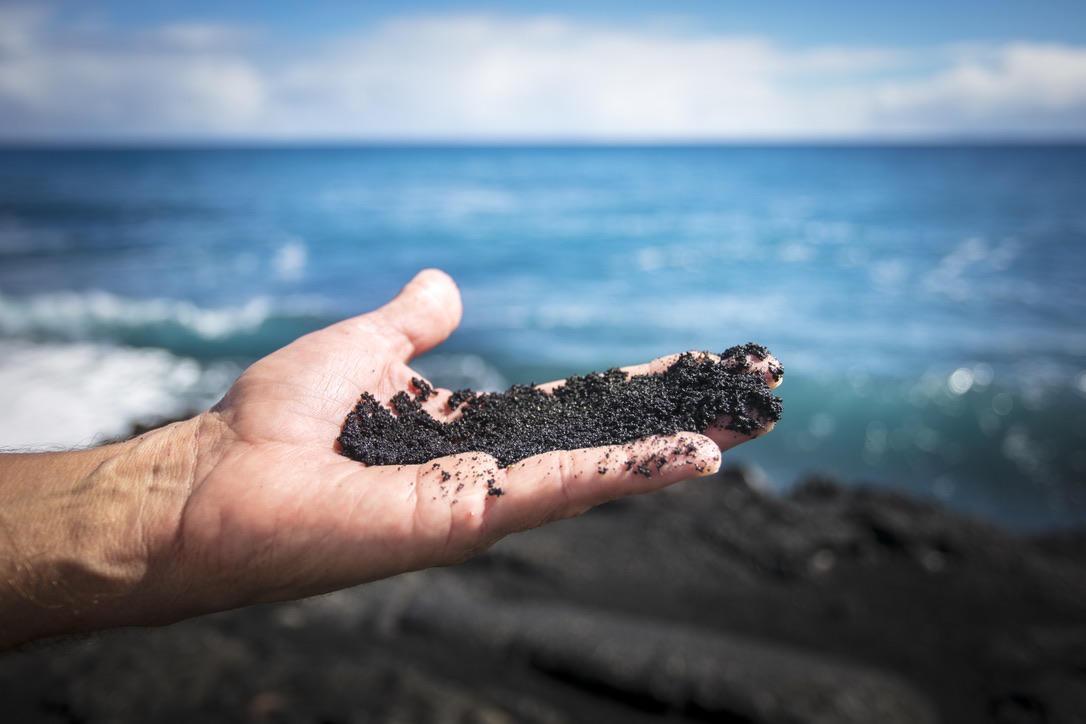
Laupāhoehoe’s shoreline is an almost cinematic interplay of black lava, sculpted cliffs, and pockets of coral reef that run like ribs into the Pacific. For anglers, that landscape translates to a concentration of microhabitats—sandy cuts and tide pools for cast-and-walk anglers, fringing reefs rich with jacks and reef triggerfish, and rapidly deepening seabeds a short boat ride offshore where pelagics thread migratory routes. The place feels built around patience: fishermen and women watch the water for swell lines and floating kelp, read the offshore color for current breaks, and time their casts to tide swings. There’s an intimacy to fishing here—you’re frequently within earshot of trickling waves and the distant rumble of surf hitting basalt, and the fish you pull up often tell a clear story about the local oceanography.
Culturally, Laupāhoehoe sits within a Hawaiian tradition of communal fishing and stewardship that predates modern tackle. The ahupuaʻa land-division system and the practice of loko iʻa (traditional fishponds) underline a relationship with the sea that blends subsistence, ceremony, and care. Modern visiting anglers will notice signs of that history in place names, small harbors, and the quiet reverence locals show toward certain nearshore areas. Responsible visitors are encouraged to approach the water with curiosity and respect—ask before fishing from private shoreline, learn which species are protected, and consider how your catch fits into local practices.
Technically, Laupāhoehoe is a good training ground for varied fishing methods. Shore anglers challenge themselves on jagged, uneven lava; kayak anglers learn to read current seams close to reefs; and small-boat operators exploit nearby drop-offs where sport fish move through seasonally. Weather and swell shape opportunity here in obvious ways: summer trade winds tend to lay water flatter and open prime windows for launching, while winter north swell makes parts of the coast dangerous or inaccessible. That variability rewards planning and local knowledge—talk to a charter operator or bait shop to lock in the day’s likely bite. Environmentally, the waters around Laupāhoehoe contain both fragile coral habitats and high-energy feeding grounds; anglers who practice careful hook handling, avoid damaging gear on reef, and adhere to local regulations help ensure the same lines can be cast by future generations.
The variety of fishable terrain—shore, reef, flats, and bluewater—lets anglers tailor a day to skill level and appetite for adventure, from mellow morning surf casting to full-day offshore charters.
Seasonality matters: pelagics like mahi-mahi and wahoo concentrate in warmer months, while winter swells can push reef fishing into protected coves and make certain launch sites unsafe.
Local knowledge is invaluable. Small bait shops, charters based in nearby harbors, and community bulletin boards often have the most reliable, up-to-the-hour intel on tides, bait, and closures.
Best Time to Visit
Best Months
Weather Notes
Summer months bring steadier trade winds and generally calmer nearshore water, offering the best windows for small-boat and kayak launches. Winter storms and north swells (Dec–Feb) can make shore fishing hazardous and close some launch points. Brief Kona winds or seasonal rain can alter conditions quickly—check forecasts the day before your trip.
Peak Season
Summer–early fall (April–November) for pelagic fishing is the busiest period for charters and bait availability.
Off-Season Opportunities
Winter offers quieter shore fishing and the chance to target species driven closer to shore by swell—but expect limited boat access and plan around surf advisories for safety.
Frequently Asked Questions
Do I need a fishing license in Hawaii?
Recreational anglers 16 and older must follow Hawaiʻi fishing regulations. Check the state Division of Aquatic Resources for license and reporting requirements before you go; rules can vary by gear type and location.
Can I launch a small boat or kayak from Laupāhoehoe?
There are informal launch spots and small boat ramps nearby, but accessibility depends on swell and local conditions. Use only established launch areas and confirm current access with locals or charter operators.
Are there protected marine areas I should avoid?
Yes—Hawaiʻi has marine protected areas and local kapu zones. Research local no-take areas, ask local outfitters, and avoid fishing or gathering in places marked as protected.
Choose Your Experience Level
Beginner
Ideal for anglers new to Hawaiian waters: shore-casting from accessible black-lava points, light kayak fishing in protected coves, and guided nearshore trips.
- Short shore-casting session at a gentle access point
- Guided kayak or small-boat reef tour
- Half-day nearshore charter focusing on reef species
Intermediate
For anglers comfortable with rough terrain or basic boat skills: wading and casting to reef edges, shore jigging, and half- to full-day charters for pelagics.
- Reef-edge jigging from a panga
- Kayak-to-reef excursions for bottom fish
- Full-day shared charter for mahi-mahi and wahoo
Advanced
Experienced anglers who can read swell, handle launch logistics, and run or crew on small offshore trips: targeting tuna and wahoo beyond the nearshore shelf and technical shore fishing from exposed headlands.
- Bluewater trolling on private charter
- Technical shore casting on exposed rocky points
- Multi-method day combining jigging, popping, and trolling
Insider Tips & Local Knowledge
Local conditions and customs matter—ask first, check for closures, and prioritize safety around lava rock and surf.
Speak with local bait shops or charter operators the morning of your trip to get current tide, bait, and swell intel—these sources often know where the day’s fish are stacked. For shore fishing, scout launch points at low tide and avoid slick, algae-coated rocks; reef booties make a big difference. When fishing from a kayak, launch on calm days and tie off to kelp or a waypoint rather than drifting across reefs. If you book a charter, ask what tackle they provide so you don’t overpack; many offer turnkey setups for light offshore trips. Respect subsistence areas and private shorelines, and practice selective harvest—release undersized fish and handle others with quick, careful techniques to maximize survival. Finally, a simple local courtesy—return unused bait packaging and line to bins where provided; discarded line and gear are major hazards to seabirds and turtles.
What to Bring
Essential
- Sturdy shoes for lava rock and slippery shorelines
- Sun protection: hat, sunscreen, long-sleeve sun shirt
- Tackle suited for your method (light surf rods to 20–30 lb offshore outfits)
- PFD for kayak or small-boat fishing
- Plenty of water and salty snacks
Recommended
- Polarized sunglasses to read water and spot structure
- Small first-aid kit and reef booties for shore anglers
- Handline or light jigging gear for nearshore structure
- Wet-weather shell for unexpected showers
Optional
- Compact fish ruler and small cooler with ice for legal catch
- Portable fish gripper and fillet knife (check local rules)
- Underwater camera or action cam for documenting catches
Ready for Your Fishing Adventure?
Browse 10 verified trips in Laupāhoehoe with instant booking
Explore Top 15 Laupāhoehoe, Hawaii Adventures →