Top 11 Bus Tours in Laupāhoehoe, Hawaii
Laupāhoehoe Bus Tour Guide

Top 11 Bus Tours in Laupāhoehoe, Hawaii

Tucked along Hawaiʻi Island’s Hāmākua Coast, Laupāhoehoe is a compact place with big coastal drama—and bus tours are the most effortless way to drink it in. These guided drives stitch together sea cliffs, lava fields, plantation-era stories, rainforest fringes, and small cultural sites into half-day and full-day loops that appeal to families, photographers, and travelers who prefer a narrated, no-fuss route through the island’s east side. Expect frequent stops for short walks, scenic viewpoints, and local stories about the railroad, the ocean, and how communities here have long readjusted to volcanic change.

Hāmākua CoastLaupāhoehoe PointHilo Bay

Live destination inventory

Top Bus Tour Trips in Laupāhoehoe

11 trips · Book with confidence · Instant confirmation

The prototype intentionally does not invent replacement trip cards or add images that are not already part of the live source page.

The city from the water

Why Laupāhoehoe Is a Standout Place for Bus Tours

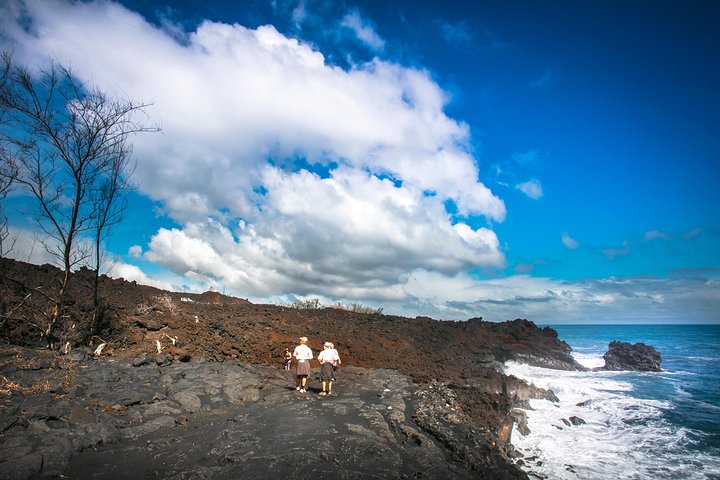
A bus tour in Laupāhoehoe is less about getting from A to B and more about letting the landscape tell its own story while you listen. The Hāmākua Coast is a stitched map of dramatic sea cliffs, narrow coastal roads, and lush valleys where trade winds condense into frequent, quick showers. From the window of a comfortable coach the scale of the coastline reads like a cinematic score: basalt cliffs cut into surf, roadside taro patches and successional forest, and the scattered signs of the island’s plantation past. In places, the road hugs the shoreline close enough that you can see the texture of the water; in others, it climbs briefly, offering the kind of long ocean views photographers dream about. What makes bus tours especially valuable here is context. Local drivers and guides are conduits for oral history—railroad lore, stories about sugar and paniolo (cowboy) life, Hawaiian place names and the layered meanings they carry, and the contemporary efforts to steward marine and watershed health. Those narratives change the way a waterfall, a black-sand pocket, or a small roadside church reads on the map. Guided stops are typically curated to be accessible: short, interpretive walks rather than long backcountry treks, with time for coffee, a museum visit, or a shoreline lookout. For travelers who want to sample multiple terrains—coastline, small community hubs, lava-carved fields, and rainforest fringes—in a single day, a bus tour is the practical, low-stress answer. Beyond the scenery and stories, bus tours make logistical sense. Roads on this side of the island can be narrow, winding, and subject to sudden weather changes; drivers who know the cadence of the route handle those particulars so you don’t have to. Tours also dovetail naturally with complementary activities: a morning bus loop pairs well with an afternoon waterfall walk, a visit to Akaka Falls (a short drive south), or a boat or snorkeling excursion out of Hilo. For photographers, the rhythm of stops and the ability to leave a vehicle parked while you explore a viewpoint saves time and headaches. For older travelers and families, the accessibility and comfort of a coach—often with restroom access and climate control—is a major advantage. Finally, seasonality shapes the character of bus tours here. Rainy spells make the coast intensely verdant and bring out waterfalls, while winter months increase the chance of seeing migrating humpbacks off the shore. That variability means the same route can feel different across seasons, turning a familiar loop into a new discovery every visit. A well-chosen tour respects those seasonal shifts: timing viewpoints for light and swells, pairing shore stops with cultural visits, and offering alternatives when weather redirects the day’s plan. The result is a small-scale corridor of experiences that celebrates Laupāhoehoe’s layered natural and human history, all from the steady, narrated glide of a bus.

Bus tours concentrate disparate attractions—coastal lookouts, historic sites, short hikes, and community stops—into single, manageable itineraries for day travelers.

Local guides add cultural and environmental context that turns scenic vistas into stories about place, people, and island ecology.

The harbor is the gateway, and the Pacific becomes the classroom.

Tours are suited to a wide range of travelers: families, photographers, older visitors, and anyone who prefers a structured day with minimal driving logistics.

Because roads can be narrow and weather variable, guided buses provide safer, more relaxed access to the coast and viewpoints than self-guided driving for many visitors.

Activity focus

Choose by purpose

Whale watching, snorkeling, sunset sailing, cultural canoeing, harbor sightseeing, or private chartering.

Departure hubs

Start near the city

Waikiki and Honolulu Harbor are primary hubs, with some trips launching near Hanauma Bay.

Accessibility

Confirm the vessel

Gangways, shaded seating, and boarding requirements vary according to vessel size and operator.

Seasonal planning

Best Time to Visit

Laupāhoehoe is warm year-round, but wind, swell, migration, visibility, and demand change the best match between traveler and trip.

Laupāhoehoe boat tour
Year-round destination

Seasonal highlights change the reason to go

Winter favors humpback encounters; warmer, calmer months favor snorkeling visibility and smoother water.

Humpback season

Winter months (December–March) and holiday periods—when whale-watching interest and island travel increase.

Prime whale watching, winter holidays, higher demand, and earlier sell-outs.

Snorkeling window

April–May–September–October–November

Typically gentler seas and clearer water for snorkeling trips.

Weather notes

Trade winds year-round

Laupāhoehoe sits on Hāmākua’s wet side: expect frequent, brief showers year‑round and lush green landscapes after rain. Winter months bring cooler ocean swells and a higher chance of offshore whale sightings; summer months tend to be drier and calmer at sea. Always pack a light rain layer and check local weather forecasts; some coastal pullouts can be slick after rain.

Quieter opportunities

Late spring & summer weekdays

Mid‑week tours in the shoulder seasons offer quieter viewpoints and often greener scenery after rains; operators may run fewer daily departures but offer more attentive guides on smaller groups.

Match the trip to your comfort

Choose Your Experience Level

Low effort

Beginner

Ideal for travelers seeking scenic viewpoints, cultural narration, and minimal walking. Stops are typically short and curated for easy access.

  • Coastal scenic loop with interpretive stops
  • Short viewpoint walks and museum/heritage-site visits
  • Half‑day narrated drives with photo stops
Active day trip

Intermediate

For travelers who want a mix of on‑board comfort and a couple of short, moderately steep walks at stops; requires more mobility and eagerness to explore brief trails.

  • Full‑day bus tour that includes short rainforest walks
  • Tours combining coastal overlooks with visits to local farms or cultural centers
  • Photography-focused departures with multiple stopovers
Longer or technical

Advanced

Suited to travelers who want deeper, custom experiences—longer private charters, multi-day coach itineraries, or tours that combine bus travel with more demanding hikes or boat components.

  • Private chartered coastal exploration with customized stops
  • Multi-service days that pair a bus tour with an extended waterfall trek
  • Operator-led combos that link land narration with small-boat outings

Prepare for sun, spray, and swell

What to Bring

Essential

Core kit

  • Light rain jacket (trade-wind showers are common)
  • Refillable water bottle
  • Sun protection: hat, sunglasses, reef‑safe sunscreen
  • Camera or smartphone with extra battery
  • Motion-sickness medication if you’re prone to car or sea sickness
Recommended

Useful extras

  • Small daypack for short stops and easy hikes
  • Comfortable walking shoes for uneven viewpoints
  • Binoculars for marine life and coastal observation
  • Cash and a card for local purchases at small vendors
Optional

Trip-specific

  • Compact tripod for low-light coastal photography
  • Light snacks for between stops
  • Reusable rain cover for camera gear
Confirm accessibility and itinerary details with operators in advance; coastal weather can change plans on short notice.

Insider Tips & Local Knowledge

Reserve whale-watching and popular sunset cruises well ahead during December–April.
Choose morning snorkeling departures for calmer seas and better underwater visibility.
For motion sensitivity, choose a larger vessel, sit mid-ship, and take preventative medication before boarding.
Do not touch coral or wildlife, avoid standing on reefs, and use reef-safe sunscreen.
Community-based operators may add context about traditional navigation and stewardship.
Arrive early for parking and check-in because Waikiki departure areas can be busy.

Planning questions

Frequently Asked Questions

Some operators offer wheelchair-accessible vehicles and can accommodate mobility needs for many stops; accessibility varies by company and by the specific sites visited—confirm accessibility when booking.
Top 11 Bus Tours in Laupāhoehoe, Hawaii
Ready for your bus tour adventure?

Browse 11 verified trips in Laupāhoehoe.

Compare current availability and book with instant confirmation.

Explore Laupāhoehoe bus tour