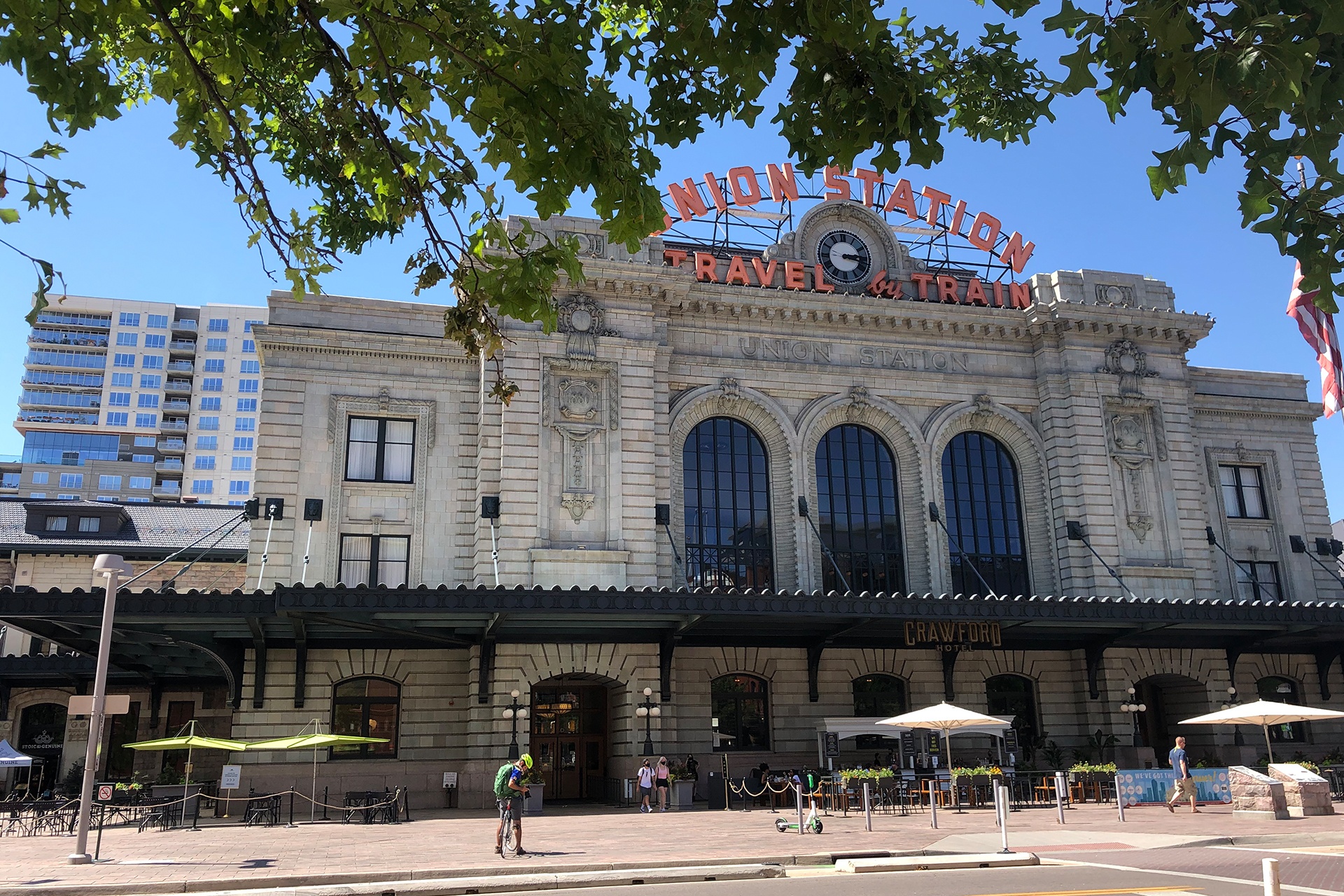
Lakewood’s train story isn’t a dramatic single-peak saga—it’s a pragmatic, layered one. The city occupies a space where commuter light rail and a century of regional rail history overlap with outdoor access to the Front Range. That makes Lakewood useful and interesting for travelers who want the convenience of transit-based exploration without losing the sense of place that only rail corridors can provide. Riding the light rail out of Lakewood feels like stepping into a local rhythm: school commutes, weekday professionals, and weekend travelers all share the same quiet platform moments that make regional rail such an intimate way to see a place.
But there’s also a nostalgia threaded through the region. Within easy reach of Lakewood, preserved steam and diesel equipment, interpretive exhibits, and short excursion trains live alongside active commuter lines. For people who collect the sensory bookmarks of rail travel—the metallic click of switches, a distant horn, the way light pools through broad windows on long platforms—this suburban edge of the metro area punches above its weight. Importantly for outdoor travelers, trains here are not an end in themselves but a connector: a short rail ride gets you into Denver’s cultural offerings, to trailheads near the foothills, and to museums that celebrate the movement of goods and people that shaped Colorado’s growth.
There’s a practical charm here as well. Using rail in and around Lakewood reduces the friction of parking at busy trailheads or downtown lots, especially during summer weekends and fall color runs. Trains also invite a different pace—one that lends itself to multi-activity days. A morning light-rail commute can be followed by a bike ride along converted rail corridors, an afternoon visit to a railway museum, and a sunset hike along a foothills ridge; you’re moving through terrain and history with a single, low-effort transfer. The result is accessible, repeatable day planning for travelers who prize both efficiency and a sense of narrative in how they move across the landscape.
Seasonality is forgiving; commuter and museum-style experiences operate most of the year, and the Front Range weather simply changes the tone of the ride. Winter light brings a crystalline clarity to mountain approaches, while summer thunderstorms punctuate afternoons and make an indoor museum detour appealing. That adaptability—combined with proximate rail heritage and reliable transit connections—makes Lakewood a quietly rewarding pick for anyone who wants to fold rail travel into an outdoor-oriented itinerary.
Train access amplifies Lakewood’s outdoor possibilities by reducing parking hassle and enabling linear trips—ride one way, hike or bike back, and use transit to return. This makes popular foothills approaches and ridge-line trails more accessible for day trips.
Nearby rail heritage attractions offer short, interpretive excursions that pair well with photography, family outings, and historically minded travelers. Those experiences are complimentary to light-rail commutes and regional transit.
The harbor is the gateway, and the Pacific becomes the classroom.
Transit-centered exploration in Lakewood rewards slow planning: store a small daypack on the train, follow local bus or bike connections, and you can stitch together a full day of culture and nature without needing a car for every leg.
Choose by purpose
Whale watching, snorkeling, sunset sailing, cultural canoeing, harbor sightseeing, or private chartering.
Start near the city
Waikiki and Honolulu Harbor are primary hubs, with some trips launching near Hanauma Bay.
Confirm the vessel
Gangways, shaded seating, and boarding requirements vary according to vessel size and operator.