Air Tours Over Lakeville, Pennsylvania
Perched on the high edges of the Pocono foothills, Lakeville offers an intimate aerial stage: a lattice of glass-dark lakes, tree-lined ridges, and a patchwork of wetlands that light up with fall color. Air tours here—brief scenic hops to full-circuit flights—turn familiar surface details into cinematic compositions. Whether you’re after low, shoreline passes that show boating life on Wallenpaupack or higher-orbit panoramas of bogs and ridgelines, small-aircraft and rotorcraft flights from nearby fields make Lakeville an efficient, memorable way to see the region.
Top Air Tour Trips in Lakeville
4 trips • Book with confidence • Instant confirmation
Why Lakeville Makes for a Memorable Air Tour
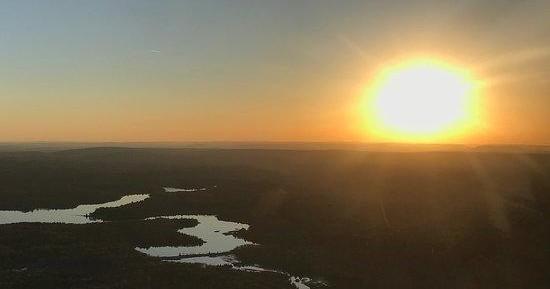
From the air Lakeville reads like a study in contrasts: deep, mirror-flat lakes cupped by low, rounded ridges and a stitched pattern of wetlands and farmland. That visual variety—shorelines one moment, bogs the next—is what makes air tours here uniquely rewarding. The surrounding Pocono foothills are low enough to permit intimate, low-altitude passes that reveal boats, docks, and marsh channels, yet high enough to open into wide, cinematic views that are both accessible and dramatic. Pilots operating in the region commonly use short scenic circuits to highlight distinct scenes: early-morning mists lifting off Lake Wallenpaupack, rivers threading through tree canopies, and the fractal edges of wetlands that attract migrating birds.
Air tours in and around Lakeville tend to favor small, nimble aircraft and helicopters—platforms that let you feel connected to the landscape rather than removed from it. Flights are concise by design: many operators run 20–60 minute options that fit neatly into a day of hiking, paddling, or a winery visit. That means you can pair an aerial reconnaissance with a lakeside picnic, a guided kayak trip, or an afternoon on a nearby trail without sacrificing momentum. The timing matters: light is everything. Golden hour softens the Pocono ridgelines and turns lake glass to molten color; autumn intensifies contrast and shapes, while spring reveals the region’s wetland mosaics and migratory bird concentrations.
Practical considerations shape the experience as much as the scenery. Lakeville sits in a weather-prone microclimate—warm, humid summers can layer low cloud and haze over the region, while late-afternoon thunderstorms are common in July and August. Visibility often governs whether a flight goes as planned; pilots are conservative here, prioritizing safety and scenic quality. Environmental stewardship also factors into route planning: pilots and operators typically avoid low passes over sensitive wetlands and nesting habitats during spring to minimize disturbance. Finally, air tours offer an efficient perspective for photographers and curious travelers alike: a short flight can orient you to terrain for future hikes, reveal shoreline access points for paddling, or simply provide a different kind of quiet that only comes from being aloft. For travelers who balance sensory reward with practical planning—timing flights for clear light, pairing aerial time with shoreline activities, and respecting seasonal constraints—Lakeville’s air tours deliver concentrated, unforgettable views of a landscape that is both intimate and expansive.
The variety is the draw: short shoreline passes, higher panoramic circuits, and specialized photography-oriented flights are all common formats within a short drive of Lakeville.
Seasonality shapes both visibility and spectacle—spring’s wetland pulse, summer’s active recreation, and autumn’s foliage peak each offer distinct aerial moods.
Best Time to Visit
Best Months
Weather Notes
Spring and fall typically offer the clearest air and best light for aerial photography. Summer can bring haze and frequent afternoon storms; winter flights are possible but weather-dependent and often canceled for low ceilings or ice.
Peak Season
October leaf-peeping and summer holiday weekends bring the most demand for scenic flights.
Off-Season Opportunities
Late winter and early spring can yield dramatic snow-and-thaw contrasts and quieter booking windows, though cancellations are more common due to weather.
Frequently Asked Questions
How far in advance should I book an air tour?
Book as early as you can, especially for weekend or fall-foliage dates. Many popular time slots—early morning golden hour and late-afternoon—fill quickly.
Are flights safe for children and older passengers?
Most operators welcome families and older travelers, but check age, seat, and weight restrictions with the operator. Bring any required car seats or safety gear if specified.
What happens if weather cancels my flight?
Policies vary by operator: typical options include rescheduling, a credit, or a refund. Because weather changes rapidly in the Poconos, maintain flexible local plans.
Choose Your Experience Level
Beginner
Short scenic flights (20–30 minutes) that offer a gentle, narrated introduction to the landscape—ideal for first-time flyers and families.
- Lakeshore circuit over Lake Wallenpaupack
- Short ridge-crest panorama flight
- Introductory helicopter loop
Intermediate
Longer 40–60 minute flights that cover multiple features—shorelines, wetlands, and ridgelines—often timed for stronger photographic light.
- Extended scenic circuit combining lake and wetland views
- Photography-focused morning flight
- Combination flight timed with a ground-based paddle or hike
Advanced
Custom charters, sunrise/sunset photography runs, or multi-leg flights that demand flexible scheduling and coordination—suitable for serious aerial photographers or groups seeking private itineraries.
- Private dawn or dusk photography charter
- Tailored route for surveying fall foliage corridors
- Multi-stop flight to scout remote launch points for paddling
Insider Tips & Local Knowledge
Confirm the operator’s weather policy and boarding instructions before leaving; light and visibility matter more here than distance.
Aim for the first available morning slot for the clearest, calmest air and minimal haze. If photography is the goal, request a window seat and speak with the pilot about the optimal side of the plane for shoreline or ridge views. Bring a small, easily handled camera—large lenses are cumbersome in compact aircraft—and use a high shutter speed to minimize vibration blur. For helicopter flights, wear ear protection and secure loose items. Be mindful of wildlife: pilots and operators generally avoid low passes over sensitive marshes during bird-nesting season—ask about seasonal route adjustments. Finally, build flexibility into the rest of your day: weather can shuffle flight times, and having a nearby paddle, brewery stop, or short hike on standby makes rescheduling painless.
What to Bring
Essential
- Government ID (required for most aircraft check-in)
- Camera with fast lens or smartphone with plenty of storage
- Sunglasses and a light wind layer
- Motion-sickness medication if you’re prone to airsickness
- Closed-toe shoes for boarding and short walks to the aircraft
Recommended
- Small binoculars for bird and shoreline spotting
- Earplugs or noise-cancelling earmuffs (rotorcraft can be loud)
- Light backpack to stow a jacket and camera gear
- Charged phone or spare battery for photos and navigation
Optional
- Polarizing filter for water and foliage glare reduction
- Notebook for jotting locations to explore on the ground
- Light daypack for pairing flight with a short hike or paddle
Ready for Your Air Tour Adventure?
Browse 4 verified trips in Lakeville with instant booking
Explore Top 15 Lakeville, Pennsylvania Adventures →