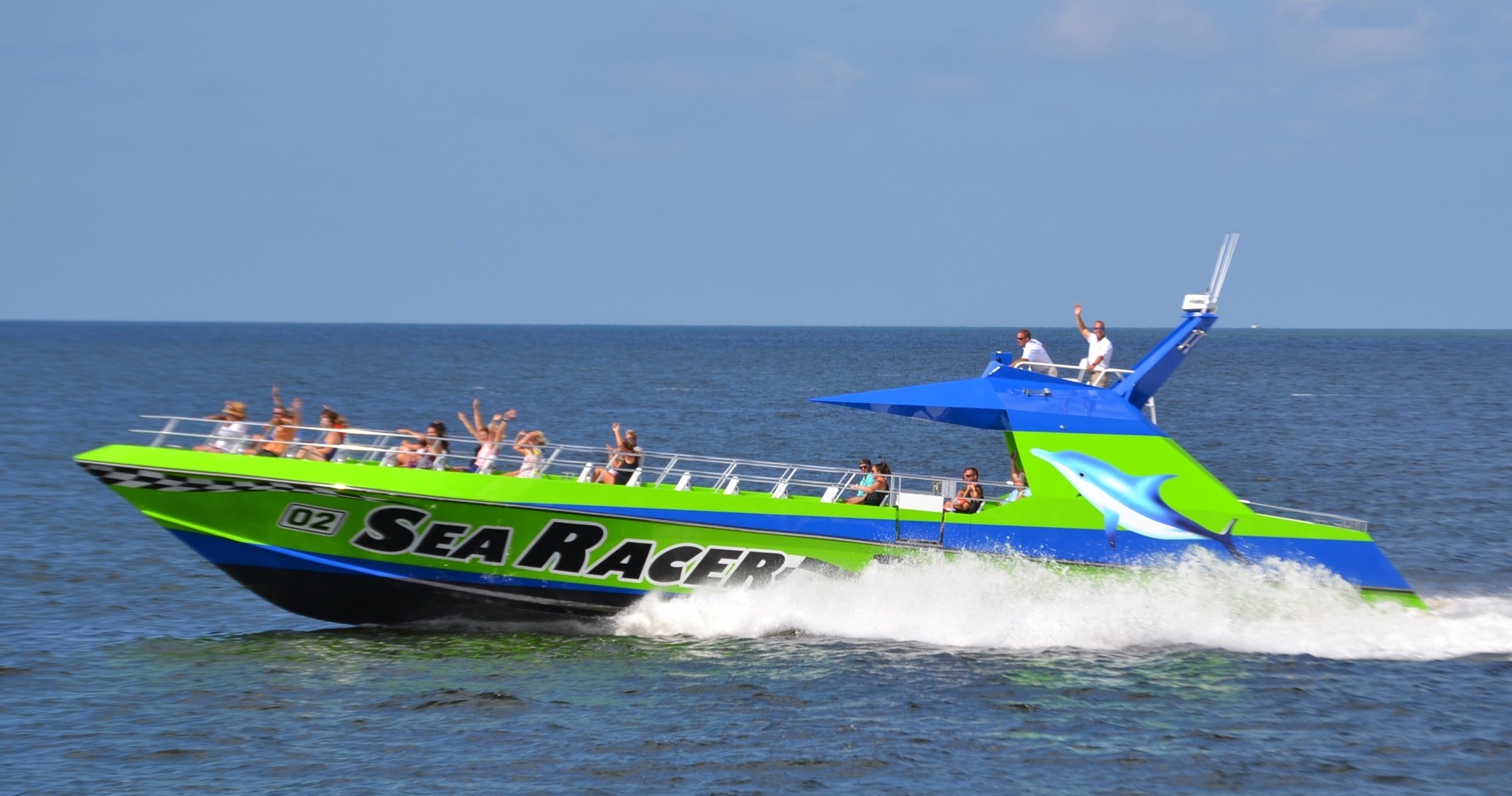
Top 13 Dolphin Experiences in Lake Waccamaw, North Carolina

Lake Waccamaw, North Carolina

Lake Waccamaw is a place of still-water reflection and longleaf pines—a freshwater Carolina Bay lake whose quiet surface is not home to marine dolphins. That reality reframes the question: this guide is for travelers based in and around Lake Waccamaw who want dolphin encounters as a complementary coastal adventure. We'll map realistic options, explain the ecology that keeps dolphins off the lake, and walk you through the best ways to see wild bottlenose dolphins from nearby estuaries, barrier islands, and guided boat tours while combining the trip with Lakeland pursuits like paddling, birding, and fishing.

13
Activities
Late spring–early fall
Best Months

Top Dolphin Trips in Lake Waccamaw

13 trips • Book with confidence • Instant confirmation

Why Lake Waccamaw Travelers Seek Dolphins

Lake Waccamaw’s low, soft horizons and mirrored water invite quiet, reflective outings: canoeing at dawn, bird songs over cypress knees, and the patient art of watching light move across the lake. Those same qualities make it an unlikely place for marine dolphins. Bottlenose dolphins are coastal, saltwater animals adapted to estuaries, sounds, inlets, and open ocean. Their physiology and food web tie them to brackish and saline environments, not isolated freshwater lakes born from Carolina Bay geology.

That ecological fact doesn’t diminish the appeal of dolphin-watching for visitors who make Lake Waccamaw home base. The lake’s position in southeastern North Carolina places coastal inlets and estuarine systems within practical reach for day trips—where dolphins congregate to feed, socialize, and ride tidal currents. For travelers who love the deliberate pace of the lake, combining inland calm with a short excursion to the coast offers a satisfying contrast: a morning paddle among pond lilies and a late-afternoon boat tour listening for the slap of a dolphin’s rostrum on the water.

More than checklist tourism, this hybrid approach lets you appreciate distinct ecosystems: freshwater Carolina Bay ecology at the lake, and saltwater estuary dynamics where dolphins hunt and play. The guide that follows focuses on realistic planning for dolphin encounters sourced from Lake Waccamaw—how to choose a reliable operator, what seasons favor sightings, what to pack, and how to protect local habitats. It also points to complementary outdoor activities that make a dolphin trip part of a richer, responsible itinerary: kayak trips through tidal creeks, birding along salt marsh edges, and exploring barrier-island beaches. Expect practical advice over romantic promises—dolphins are wild and sightings are never guaranteed—but with good timing, reputable guides, and respect for wildlife, you can add a thrilling marine chapter to a Lake Waccamaw stay.

Dolphins are not native to freshwater lakes like Lake Waccamaw; their presence in this guide is treated as a nearby coastal experience accessible to travelers staying in the lake region.

Combine inland recreation—kayaking, shore fishing, and nature photography—with a coastal day trip for the best chance at dolphin encounters and a fuller appreciation of southeastern North Carolina ecosystems.

Choose operators that emphasize wildlife-first viewing ethics: distance, no feeding, and minimal disturbance. Local guides who read tides and fish behavior will offer the most reliable outings.

Activity focus: Dolphin watching (coastal/estuarine) for travelers based at Lake Waccamaw
Lake Waccamaw is a freshwater Carolina Bay; dolphins are marine animals and do not inhabit the lake
Dolphin sightings center on nearby coastal estuaries, inlets, and barrier-island waters
Best season for dolphin activity is generally late spring through early fall
Complementary activities: coastal kayak trips, salt marsh birding, barrier-island beach walks, and chartered fishing

Best Time to Visit

Best Months

MayJuneJulyAugustSeptemberOctober

Weather Notes

Late spring through early fall brings warmer water temperatures and increased coastal forage activity; summer afternoons may bring brief thunderstorms and higher boat traffic on popular days. Mornings often provide calmer conditions and better visibility for marine wildlife watching.

Peak Season

Summer holiday weekends see the highest visitation for coastal tours and beaches.

Off-Season Opportunities

Shoulder months (May and October) can offer quieter tours with active dolphin behavior and fewer crowds. Winter months yield fewer sightings but can produce unique marine birding opportunities.

Frequently Asked Questions

Can I see dolphins from Lake Waccamaw itself?

No. Lake Waccamaw is a freshwater lake and does not host marine dolphins. Dolphin encounters happen in nearby coastal and estuarine waters; plan a day trip or guided tour from the lake to a coastal launch point.

Do I need to book a guided tour to see dolphins?

Guided tours maximize your chances because experienced captains know local feeding areas, tidal windows, and dolphin behavior. Independent shore viewing can work in certain spots but usually yields fewer sightings.

Are dolphin-watching tours family-friendly?

Many operators offer family-friendly tours; check duration, vessel type, and age restrictions before booking. Bring motion-sickness prevention and sun protection for children.

Choose Your Experience Level

Beginner

Short, guided boat tours departing from coastal towns—minimal skill required, ideal for families and casual observers.

  • 60–90 minute dolphin-spotting cruise from a nearby inlet
  • Shoreline observation at estuary viewpoints
  • Short kayak tours in protected creeks with occasional dolphin activity

Intermediate

Half-day outings that combine navigation of tidal creeks or barrier-island loops with active searching for wildlife; some paddling or light boating experience helpful.

  • Half-day guided kayak in tidal marsh with guided wildlife interpretation
  • Small-group boat tour focused on feeding behaviors and photography
  • Charter trips that pair dolphin watching with nearshore fishing

Advanced

Self-powered coastal expeditions or multi-day coastal itineraries that require advanced navigation, tidal planning, and comfort in open water.

  • Guided multi-hour estuary-to-sound expeditions requiring boat-handling skill
  • Overnight coastal camping plus dawn/dusk search for marine mammals
  • Independent sea-kayak trips launched from barrier islands (advanced only)

Insider Tips & Local Knowledge

Respect wildlife and local regulations—never feed or approach marine mammals, and follow your guide’s guidance on distance and behavior.

Start early: mornings often have calmer seas and more reliable behavior. Choose operators that prioritize marine stewardship and interpretive knowledge over pure entertainment; experienced captains read tides and bait patterns and will increase your odds responsibly. If you’re combining a lake stay with a coastal trip, pack layers and sun protection, and factor in travel time. Bring binoculars and a camera with a zoom lens for the best observation experience, but also allow time to simply watch with your eyes—dolphin behavior is immediate and often too quick for perfect framing. Finally, pair a dolphin trip with complementary activities—salt marsh birding, a shoreline walk at low tide, or a local seafood meal—to create a rounded coastal day that respects both ecosystems.

What to Bring

Essential

  • Waterproof layered clothing and a light windbreaker
  • Binoculars and a telephoto-enabled camera
  • Sunscreen and a wide-brim hat
  • Reusable water bottle and small snacks
  • Motion-sickness remedies if you’re prone to seasickness

Recommended

  • Waterproof dry bag for electronics
  • Polarized sunglasses for glare reduction
  • Compact spotting scope for distant groups
  • Light rain shell depending on season

Optional

  • Guidebook or app for local marine mammals
  • Field notebook for behavior notes
  • Beach shoes for intertidal exploration after the boat trip

Ready for Your Dolphin Adventure?

Browse 13 verified trips in Lake Waccamaw with instant booking

Explore Top 15 Lake Waccamaw, North Carolina Adventures →