Why Lake Junaluska Makes a Memorable Sightseeing Base
Lake Junaluska is a small place doing many quiet things well: it offers a tight loop of water, woodland, and wellbeing that reads like a compact primer on Appalachian low-elevation landscapes. On a single morning you can trace the lake’s rim along a mostly paved path, pause at a chapel or lakeside bench, and watch migrating waterfowl wheel against a mountain-blue horizon. The scene is intimate—less the panoramic, adrenaline-driven spectacle of a ridge climb and more a layered, human-scaled landscape built around reflection, history, and easy access to natural rhythms. That intimacy makes sightseeing here especially rewarding for travelers who prefer slow attention: photographers framing reflections of trees, families on stroller-friendly promenades, or birders following the discreet call of a warbler in the understory.
The built environment—conference halls, manicured lawns, and the village core—sits in dialogue with the wild edges of the lake. Much of Lake Junaluska’s character is cultural: a history of gatherings, a carousel of seasonal events, and a tradition of hospitality. Sightseeing tours lean into this overlap, blending architectural and social-history stops (the assembly grounds, historic chapels and memorials) with natural highlights (boardwalk coves, wetlands, and interpretive overlooks). Local guides and interpretive signage emphasize how the lake and its grounds evolved, how waterways tie into broader Appalachian watershed stories, and how migratory corridors bring short-lived but spectacular wildlife moments each spring and fall.
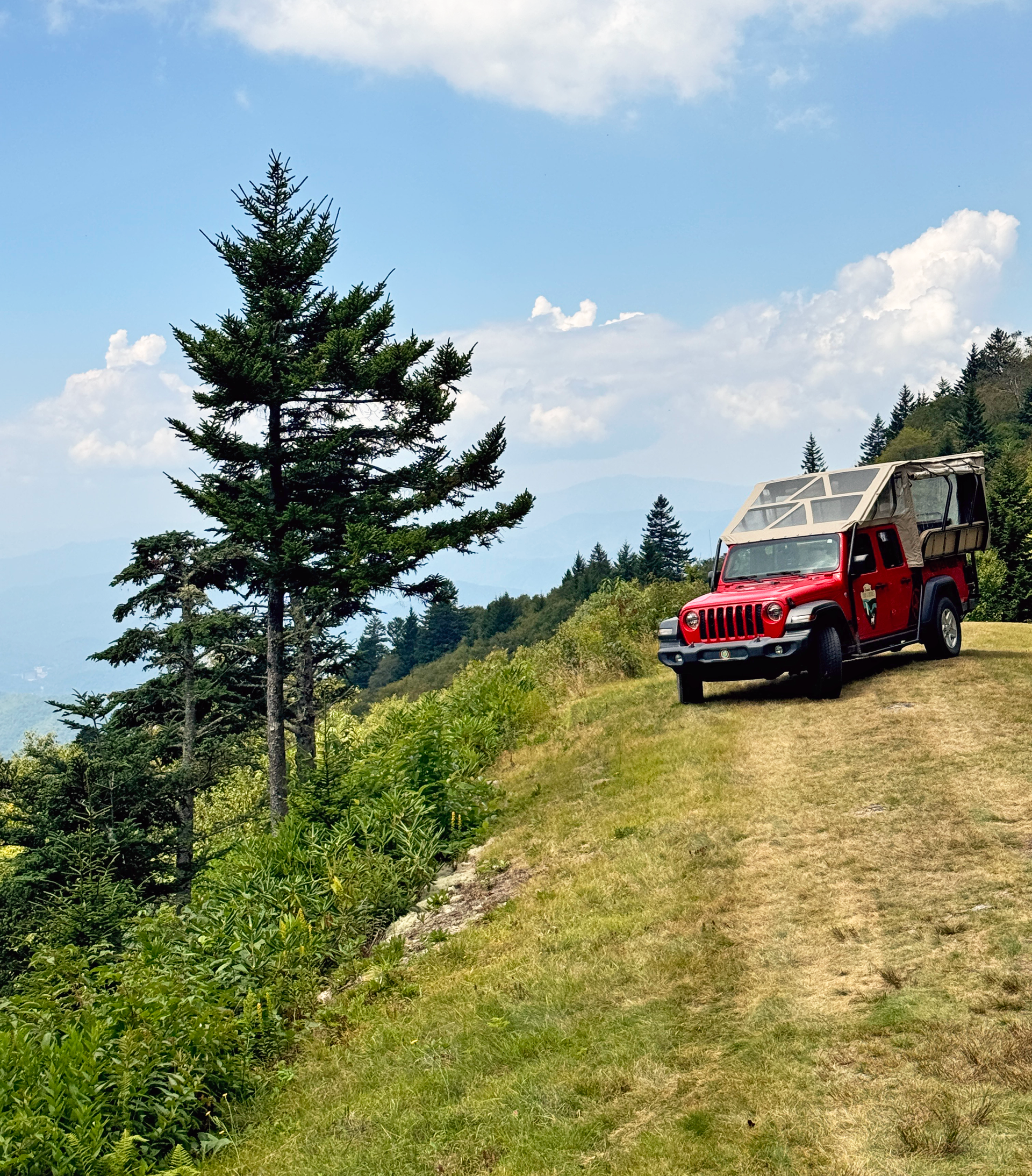
Practical terrain and access make sightseeing unusually approachable here. The primary loop that circles the lake is largely paved and low-gradient, making it accessible to many visitors while still delivering a variety of micro-environments—wetland reeds, open lawn, shaded forest margin, and occasional short footpaths that lead to quieter shoreline alcoves. For travelers who want to push beyond the loop, short drives put you on the Blue Ridge Parkway, into Waynesville’s galleries and restaurants, or up to trailheads for half-day hikes. For photographers and naturalists, the hours around dawn and dusk are electric: the water goes still, birds are active, and the light softens the chapel spires and tree trunks into warm, tactile shapes.
Seasonality reshapes the experience in simple ways. Spring unfurls fresh green and migratory songbirds; summer brings extended daylight and the option of paddling or lakeside picnicking; fall turns the surrounding slopes audibly bright with maples and oaks; winter strips the scene back to structure and silhouette—quieter, but no less beautiful. For visitors prioritizing ease and repeatable rewards, Lake Junaluska’s sightseeing tours are an elegant, low-stress way to sample Appalachian culture, natural history, and outdoor calm without a long drive or a high-elevation commitment.
The lake loop is the centerpiece: a roughly 3–4 mile circuit that’s mostly paved, family- and stroller-friendly, and dotted with benches, interpretive signs, and photo-ready vista points.
Guided tours—when available—pair historical context with natural observation: you’ll hear about the site’s tradition as a retreat center and learn to spot migratory waterfowl, amphibians, and native trees.
The harbor is the gateway, and the Pacific becomes the classroom.
Complementary short hikes and drives make for flexible itineraries: combine a morning lake tour with an afternoon on the Blue Ridge Parkway, or an arts-and-food crawl in nearby Waynesville.
Choose by purpose
Whale watching, snorkeling, sunset sailing, cultural canoeing, harbor sightseeing, or private chartering.
Start near the city
Waikiki and Honolulu Harbor are primary hubs, with some trips launching near Hanauma Bay.
Confirm the vessel
Gangways, shaded seating, and boarding requirements vary according to vessel size and operator.