Stand-Up Paddleboarding (SUP) in Laie, Hawaii
Laie delivers a rare combination for SUP travelers: wide, protected bays for glassy morning paddles, reef-lined coast for snorkeling from your board, and nearby surf breaks for the adventurous to try SUP surfing. Steeped in cultural landmarks and marine life, Laie invites both serene flatwater exploration and technical shortboard-style paddling when conditions call for it.
Top SUP Trips in Laie
81 trips • Book with confidence • Instant confirmation
Why Laie Is a Standout SUP Destination
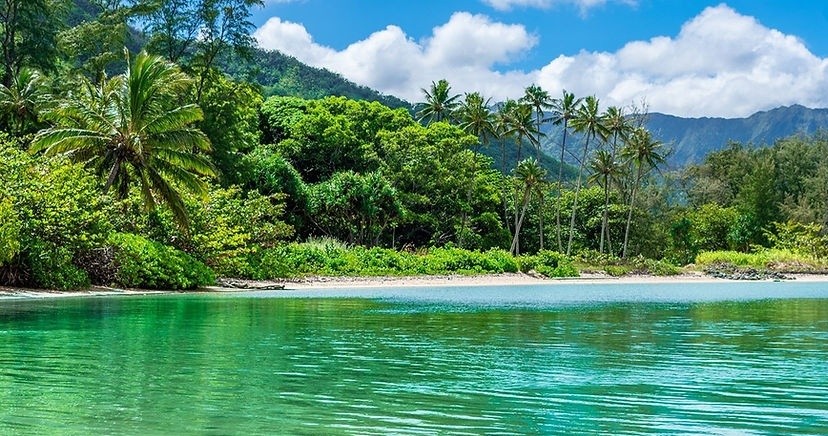
There’s a particular hush that hangs over Laie Bay at dawn — the reef sits like a sleeping guard just offshore, the temple silhouette lifts against a pale eastern sky, and the water, when the trade winds haven’t woken, is like poured glass. For paddlers, that early-hour quiet is when Laie reveals its best face: long, reflective lines of shoreline ideal for relaxed cruising, small coves for practicing strokes and turns, and a living reef garden that makes every stop an opportunity to slip off your board and bob among fish and turtles.
Laie’s geography is what makes it so appealing to SUP travelers. A protective fringing reef reduces swell inside the bay, creating a sheltered playground for beginners and those wanting long, low-effort distance paddles. Move a little further along the coast and the terrain changes quickly: reef passes and sand pockets funnel swell into playful, rideable waves for paddleboard surfers. That duality lets visitors tailor a day to their comfort and skill—flatwater technique drills in the morning, surf sessions in the afternoon as wind and tide shift.
But paddling in Laie is more than a checklist of conditions; it’s a way to connect with place. The shoreline is dotted with cultural touchstones—from the iconic Laie Hawaii Temple to ancestral fishing spots—so respectful, low-impact travel is part of the experience. Marine life appears with generous frequency; honu (green sea turtles) graze nearshore, spinner dolphins travel offshore, and seasonal visitors like migrating whales pass by in winter. That biodiversity raises both the reward and the responsibility: keep distance, avoid chasing wildlife, and practice reef-safe sun protection.
Practically speaking, Laie works for a wide range of trip types. Families and instructional groups find safe learner zones inside the bay. Fitness paddlers can log miles along a scenic coastal route, with landmark turnarounds at prominent points like Hukilau Beach. Experienced riders use Laie as a launchpad to nearby North Shore breaks when the swell lines up—this is where SUP surfing and downwind runs become possibilities. Add a cultural visit to the Polynesian Cultural Center or a shoreline picnic with locally made snacks, and a SUP day becomes a full, layered travel memory.
Seasonal patterns are straightforward but worth reading: early mornings are the calmest year-round; trade winds and afternoon breezes peak in late spring through early fall and create excellent downwind paddling; winter brings larger northern swells that can be thrilling but require local knowledge. And while Laie is easily accessible from Oahu’s population centers, it still rewards early starts and mindful navigation—both to find the quiet water and to fold your trip into local rhythms. In short: Laie gives paddlers crystalline calm and playful surf in one coastal stretch, framed by culture and reef life, making it a compelling stop on any Hawaiian SUP itinerary.
Protected bay + nearshore reef = ideal learning and snorkel-access zones.
Quick transition from flatwater cruising to SUP surfing when swell and tide align.
Close proximity to cultural sites and visitor services—combine paddling with PCC visits or shoreline walks.
Rich marine life — turtles, reef fish, and occasional dolphins — makes every paddle feel like a small wildlife tour.
Best Time to Visit
Best Months
Weather Notes
Laie is paddleable year-round. Early mornings are usually the calmest. Trade winds pick up in late spring through early fall, favoring downwind paddles and brisk afternoons; winter brings larger north swells—great for experienced SUP surfers but not ideal for novices.
Peak Season
Winter (November–February) draws surf traffic to the North Shore; shoreline access and parking can be busier during holiday weeks.
Off-Season Opportunities
Shoulder months and weekday mornings offer quieter water and easier parking. Winter weekdays can provide manageable flatwater windows between swell sets.
Frequently Asked Questions
Do I need permits to paddle in Laie?
No general paddling permits are required for recreational SUP in Laie, but some private shorelines and managed areas may have access rules. Always check local signage and respect any restricted zones.
Can beginners safely learn to SUP here?
Yes. Laie Bay’s protected areas are well suited for lessons and beginner practice when conditions are calm. Enroll in a guided lesson to learn basic strokes, falls, and reef etiquette.
When is the best time of day to paddle?
Early morning, just after sunrise, typically offers the calmest water and clearest visibility over the reef. Afternoon winds can make paddling more strenuous but also open up downwind and surf opportunities.
Choose Your Experience Level
Beginner
Learner-friendly flatwater zones inside the bay with gentle wave energy and shallow reef areas for short swims.
- Intro SUP lesson in Laie Bay
- Short shoreline cruise to Hukilau Beach
- Reef snorkeling stops from a stable board
Intermediate
Longer coastal outings and basic reef pass navigation; paddlers should be comfortable with wind shifts, small choppy water, and basic surf entries.
- Coastal tour to neighboring points
- Downwinder on a moderate wind day
- Guided tour combining culture and paddling
Advanced
SUP surfing, handling shorebreaks and reef passes, and making open-water runs in variable swell and wind.
- SUP surfing at protected reef breaks
- Winter swell runs and cross-channel day paddles
- Technical reef-entry surf sessions
Insider Tips & Local Knowledge
Conditions can shift quickly—check tide, swell, and wind forecasts and ask locals before entering reef passes.
Arrive early for calm water and easier street parking. Use reef-safe sunscreen and avoid walking on coral; simple behaviors protect the reef that makes Laie special. If you're new to the area, take a lesson or join a guided paddle for local route knowledge—guides will read currents, tides, and the safest pass locations. Respect cultural sites along the shore: keep a discreet distance, tidy your gear, and ask before photographing ceremonies or private property. For surf SUP, time your sessions with low to mid tide depending on the break, and always watch for wind that can turn a mellow day into a challenging one. Finally, bring water and shade—Hawai‘i’s sun is intense even on breezy days.
What to Bring
Essential
- Leash (coiled or straight depending on conditions) and personal flotation device (PFD) if required
- Reef-safe sunscreen and a hat
- Waterproof dry bag with phone and ID
- Light, quick-dry clothing or a wetshell depending on trade-wind chill
- Basic reef knowledge: fins-first entry, no standing on corals
Recommended
- Board suitable for conditions: wide/long for flatwater, shorter for surf
- Water shoes or booties for rocky launches
- Compact repair kit and pump (for inflatable boards)
- Small first-aid kit and whistle for safety
- Sun-protective rashguard or UV shirt
Optional
- Mask and snorkel for stops over reef gardens
- Light camera or action camera with chest/board mounts
- Binoculars for offshore wildlife viewing
- Insulating layer for early-morning paddles
Ready for Your SUP Adventure?
Browse 81 verified trips in Laie with instant booking
Explore Top 15 Laie, Hawaii Adventures →