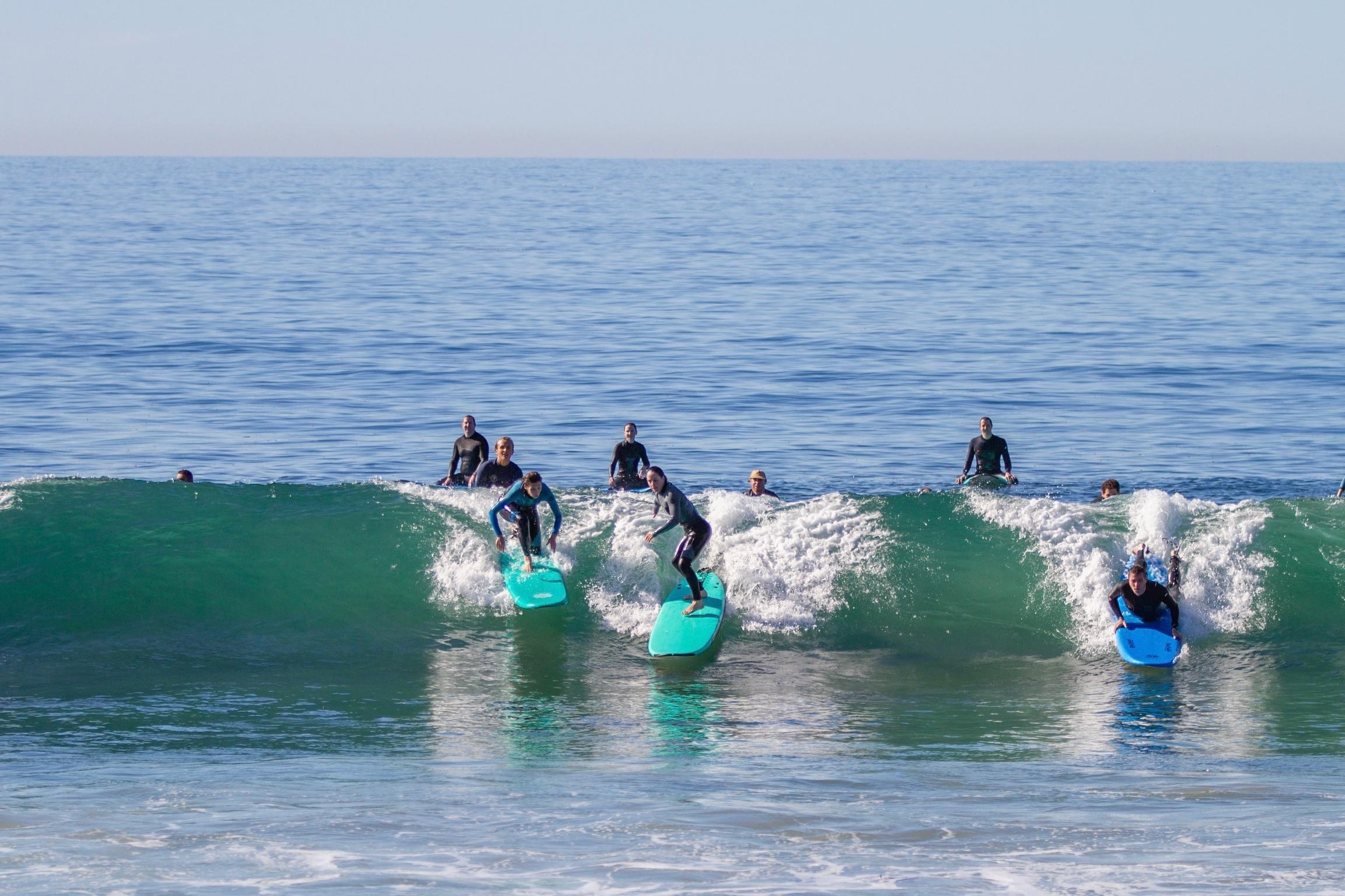
Top 24 Surf Adventures in Laguna Beach, California
Laguna Beach distills Southern California surf culture into a compact, salt-scrubbed coastline of sandbars, reef points, and postcard coves. Waves here reward attentiveness: mellow beach breaks offer reliable learning zones, while hidden rocky points and rips shift a mellow morning into a memorable set. This guide breaks the surf experience down—when to go, what to expect in the water, and how to plan for tides, winds, and local etiquette—so you can maximize time riding and minimize surprises on shore.
Top Surf Trips in Laguna Beach
24 trips • Book with confidence • Instant confirmation
Why Laguna Beach Is a Standout Surf Destination
Laguna Beach punches above its weight as a surf destination because a short stretch of coastline packs a surprising variety of wave types and coastal character. In the course of a single morning you can move from a protected, longboard-friendly beach break to a more sculpted reef or point that bends peeling faces into rideable lines. The ocean here responds clearly to seasonal swells: long-period northwest groundswell in winter brings punchier, more powerful surf, while southern swells in the autumn and late summer create cleaner, more playful conditions. Those shifts mean Laguna is useful for learners seeking consistency and for experienced surfers hunting shaped, technical waves within a short paddle of the shore.
But the appeal isn’t just the waves—it’s the landscape and local stewardship. Narrow canyons funnel coastal bluffs toward the ocean, producing sheltered coves and exposed headlands where tides and wind create microclimates for surf. Crystal Cove State Park at the northern edge protects miles of coastline and tidepools, offering paddlers and snorkelers a companion activity when the surf is flat. Locals in Laguna prize the balance between recreation and conservation; many beach-access points are flanked by native dune plants and interpretive signs. That ethos shows up in the water, too: etiquette and awareness of reef hazards are part of the culture, which keeps sessions safer and more welcoming.
The town itself enhances the surf experience. From early-morning lineups watched by joggers on the boardwalk to the post-surf routine of coffee shops and bagel carts, Laguna is built for quick transitions between surf and shore life. Photographers, tidepool enthusiasts, and trail runners often tag along, creating a varied itinerary for visitors who want more than just waves. Off-the-water activities—kayak tours, coastal hikes along bluffs, and tidepool walks—pair naturally with surf days and help round out a trip without adding much travel time.
Practicalities matter here: tide timing, swell direction, and local wind patterns alter a surf day more than in some open-coast locations. Morning tends to offer the cleanest conditions before daily sea breezes pick up, and understanding how a reef vs. a sandbar responds to a given swell will change where you paddle out. For travelers, that means planning a mix of flexible days, checking reliable local surf reports, and using on-site lessons or shuttles if you’re unfamiliar with rocky approaches. With the right timing and a modest respect for the environment and locals, Laguna Beach delivers a surf trip that’s as scenic as it is surfable.
Variety is the core advantage: accessible beach breaks for learners coexist with reef and point breaks that reward timing and local knowledge.
Because the coastline is compact, surfers can sample multiple wave types in a single morning—ideal for progressing quickly or finding the right conditions on any given day.
Best Time to Visit
Best Months
Weather Notes
Fall brings warm water and consistent groundswell; winter supplies larger northwest swells but cooler water and stronger winds at times. Summer offers smaller, cleaner waves ideal for learners, with warmer water and frequent morning glass before sea breezes develop.
Peak Season
Fall through winter for most consistent surf and larger swells; summer mornings are busiest with learners and families.
Off-Season Opportunities
Summer afternoons and early autumn can provide softer waves ideal for lessons and longboarding; weekday mornings year-round are quieter for local lineups.
Frequently Asked Questions
Are there surf schools and rentals in Laguna Beach?
Yes—several local providers offer lessons, guided sessions, and board rentals. Lessons are recommended for beginners to learn local etiquette and safe entry points.
Do I need a wetsuit year-round?
Water temperatures vary seasonally. Lightweight wetsuits or springsuits are common in fall and spring; thicker suits are typical in winter. Summer can be comfortable for short sleeves or spring suits depending on personal tolerance.
Is parking difficult near popular surf spots?
Parking can be limited at peak times, especially weekends and holidays. Arrive early, use public lots, or consider walking from central parking to minimize hassle.
Are any permits required to surf?
Surfing generally does not require permits, though park access or beach parking may have fees. Respect posted restrictions near protected tidepool areas and private property.
Choose Your Experience Level
Beginner
Gentle beach breaks with forgiving whitewater, shallow learning zones, and available lessons.
- Group surf lesson with a certified instructor
- Longboard sessions on mellow beach breaks
- SUP or bodyboard rentals for balance practice
Intermediate
Longer rides on peeling beach breaks and sheltered points that demand timing, positioning, and some wave selection skill.
- Paddle-outs to mid-coast reefs on a small-to-medium swell
- Transitioning from whitewater to open-face takeoffs
- Cross-training with coastal runs or coastal sea-kayak trips
Advanced
Reef and point breaks that produce faster, more critical faces—requires sharp timing, local knowledge, and strong situational awareness.
- High-performance shortboard sessions on a winter groundswell
- Point breaks at lower tide with technical bottom contours
- In-depth local-scouting and guided sessions for tricky entries
Insider Tips & Local Knowledge
Respect local lineups and reef hazards; check tides and wind forecasts before heading out.
Aim for early sessions—offshore morning winds are common and clean up the waves before sea breezes arrive. Scout breaks on low-to-mid tide to understand reef contours; some points work best at a specific tide window. If you’re new to the area, book a lesson or go with a local guide to learn safe entry points and current patterns. Bring reef booties for scratchy entries and avoid trampling dune vegetation when carrying boards. Finally, pack patience: Laguna’s compact coastline attracts visitors, so rotate spots and be flexible with timing to find the best conditions.
What to Bring
Essential
- Surfboard suited to your skill level (longboard for beginners, shortboard or fish for advanced)
- Board leash and adequate wax
- Wetsuit or springsuit appropriate for seasonal water temps
- Reef booties if you’ll surf rocky points
- SPF-rated sunscreen and a hat for pre/post-surf
Recommended
- Earplugs and rash guard for extended sessions
- Compact first-aid kit and antiseptic for minor reef scrapes
- Towel and dry clothes for changing onshore
- Water bottle and light snacks for long days
Optional
- Waterproof camera or phone case
- Portable surfboard repair kit
- Compact surf log or app to track conditions and progress
Ready for Your Surf Adventure?
Browse 24 verified trips in Laguna Beach with instant booking
Explore Top 15 Laguna Beach, California Adventures →