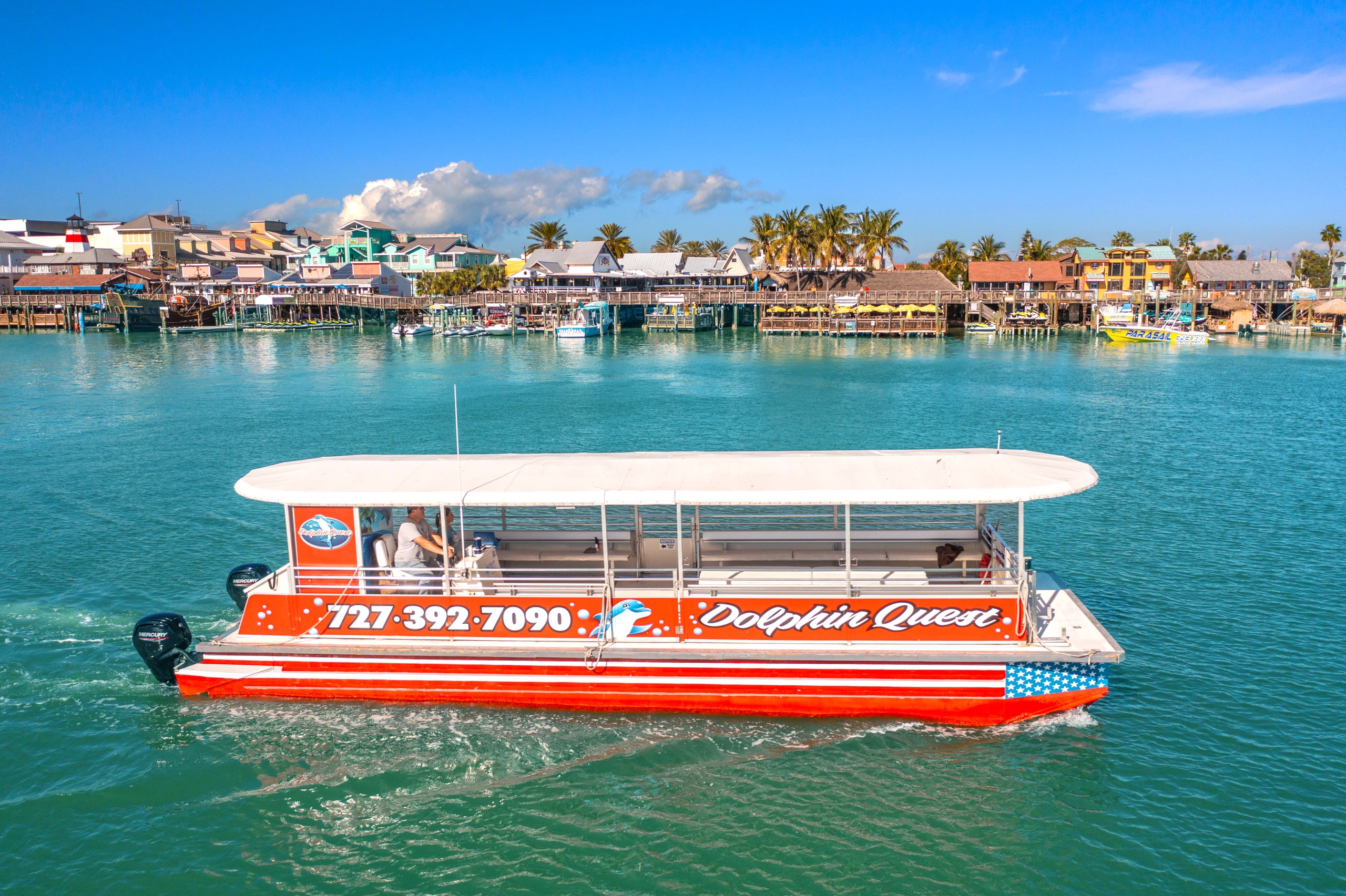
Dolphin Encounters in Lafayette, Florida
Where river meets gulf, Lafayette’s shallow estuaries and quiet coastal edges serve as a seasonal classroom for encountering bottlenose dolphins. This guide focuses on how to find, observe, and responsibly interact with dolphins from small boats, kayaks, and riverbanks—blending natural history, local waterways, and practical guidance for safe, memorable outings.
Top Dolphin Trips in Lafayette
53 trips • Book with confidence • Instant confirmation
Why Lafayette Is a Notable Place for Dolphin Encounters
The first time a pod arcs through the shallow blue off a quiet launch on the Suwannee, the world shrinks to the slick line of dorsal fins and the spray of breath as the animals rotate through the sunlight. Lafayette County doesn’t sell itself as a high-speed charter port or a curated marine park; its charm is subtler. Here, dolphins thread channels and oyster bars on the edge of the Big Bend where tides and river outflow shape a complex mosaic of habitat. That mix concentrates baitfish and creates predictable corridors—exactly the conditions that make dolphin sightings frequent and often intimate.
For visiting travelers, the experience is less about spectacle and more about context. Encounters in Lafayette are usually small-scale: a family group riding the bow wave of a skiff, a curious juvenile surfacing beside a kayak, or a scattered pod foraging over grass flats at low tide. Those scenes reward a slower pace and a quieter approach. You’ll find that timing—tide, wind, and light—matters as much as location. Morning glass and evening slack tides often produce the calm surface dolphins prefer for socializing and feeding. At the same time, understanding the local waterways—where the Suwannee breathes into the gulf, where channels cut through mud and sand—turns random sightings into reliable outings.
This guide pairs fieldcraft with stewardship. Dolphins in these waters are wild animals navigating a coastline shaped by both natural forces and human use—fishing boats, recreational launches, and coastal development. Responsible viewing practices preserve the behavior that makes encounters special in the first place, and they keep people safe. Whether you’re paddling from a remote ramp, booking a half-day river trip, or planning a sunrise scouting session from the shore, the best experiences come with preparation: tide tables, a quiet engine, and a readiness to step back and watch. Alongside dolphin watching, Lafayette’s waterways invite complementary pursuits—birding the salt marsh edges, oyster-roofed picnic stops, kayak loops through mangrove corridors, and occasional shelling on adjacent beaches—that round out a day on the water without crowding the animals.
The goal here is practical and poetic in equal measure: to orient you to where dolphins live in Lafayette, how to increase your odds of meaningful sightings, and how to do it without undoing what draws the animals to these places. Expect quiet mornings, the occasional frenetic feeding display, and long stretches of deliberate, social behavior. Pack for sun and spray, respect local rules and seasonal restrictions, and carry a pair of binoculars—the most democratic tool for turning a distant dorsal into a story you won’t forget.
Dolphins in the Lafayette area are typically coastal and estuarine bottlenose dolphins that use tidal channels, sandbars, and river mouths for feeding and socializing. Sightings are most common near tidal inlets and where freshwater outflow concentrates prey.
Because the landscape is low, flat, and often remote, many of the best encounters happen from shallow-draft boats, kayaks, or even the shoreline at dawn. Combine dolphin time with birding, fishing charters, or a paddle through marsh channels for a full-day itinerary.
Best Time to Visit
Best Months
Weather Notes
Warm, humid summers bring stable sighting windows but also afternoon breezes. Pay attention to tropical weather and local advisories during hurricane season (June–November). Cooler months can still produce sightings but expect choppier conditions and shorter daylight hours.
Peak Season
Late spring through early fall, when baitfish and shrimp concentrations often drive nearshore dolphin activity.
Off-Season Opportunities
Winter and early spring can offer quieter waterways and the chance to observe larger traveling groups or to combine dolphin scouting with wintering bird migrations.
Frequently Asked Questions
Do I need a permit to go dolphin watching from a kayak or small boat?
Most casual viewing from a private kayak or small vessel does not require a permit, but specific launch sites or charters may operate under local regulations. Check county launch rules and any protected-area restrictions before heading out.
How close can I get to dolphins?
Maintain a respectful distance—do not attempt to touch, feed, or swim with wild dolphins. Local and federal guidelines recommend keeping a low profile and allowing dolphins to approach on their terms. If animals show signs of altered behavior, move away slowly.
Are dolphin-watching tours available in Lafayette?
Small commercial outfitters and independent guides operate in the broader Big Bend and Suwannee region. Availability in Lafayette proper may vary; consider launching a self-guided paddle or booking a nearby charter if local tours are limited.
Choose Your Experience Level
Beginner
Shore-based viewing and calm-water kayak outings with minimal navigation. Ideal for families and first-time wildlife watchers.
- Dawn shoreline watch from a river mouth
- Introductory flatwater kayak loop with short paddling distances
- Short guided interpretive boat rides (where available)
Intermediate
Half-day boat trips, longer paddles through tidal channels, and outings timed to tides and bait movements. Some boat-handling skill useful.
- Tidal-channel kayak route timed for incoming tide
- Half-day river-to-gulf skiff trip
- Photography-focused sunset excursion
Advanced
Multi-condition navigation, tides and current planning, and longer offshore runs to search for dispersed pods. Preparation for rougher water and longer distances required.
- Offshore reconnaissance for roaming groups
- Extended paddles linking multiple launch points
- Volunteer surveys or citizen-science trips requiring navigation and data recording
Insider Tips & Local Knowledge
Practice quiet, low-impact viewing; tides and weather control where dolphins concentrate more than maps do.
Plan trips around tide charts—incoming tides can bring bait into shallow flats, producing predictable feeding behavior. Arrive at dawn when light is soft and winds are typically lighter. Keep engines idling low, avoid driving directly toward animals, and give groups space to steer their own path. If paddling, group up: approaching dolphins in single kayaks increases the chance of startling them. Combine dolphin watching with early-morning birding or a late-afternoon paddle to get the best light for photography. Lastly, if you spot a calf or unusual behavior, err on the side of distance—the presence of young animals often prompts stricter avoidance to reduce stress.
What to Bring
Essential
- Binoculars or a spotting scope
- Waterproof camera or phone in a drybag
- Sun protection: hat, sunscreen, polarized sunglasses
- Light waterproof layer and quick-dry clothing
- Water, snacks, and a basic first-aid kit
Recommended
- Tide and current charts or an app with local data
- Sea-sickness medication for those prone to motion sickness
- VHF radio or charged mobile phone in a waterproof case
- Soft-soled, non-marking shoes for launching and wading
Optional
- Underwater camera or snorkel gear for adjacent shallow reefs (where allowed)
- Notebook for recording sightings and behaviors
- Compact binoculars for each adult in a small group
Ready for Your Dolphin Adventure?
Browse 53 verified trips in Lafayette with instant booking
Explore Top 15 Lafayette, Florida Adventures →