Whale Watch Adventures at Kunia Camp, Hawaii
Kunia Camp sits inland on Oʻahu but serves as a quiet base for one of Hawaii's most soulful seasonal spectacles: the winter-spring arrival of humpback whales offshore. Whether you prefer the low-key theater of shore-based sightings at sunrise, a rollicking small-boat cruise from a neighboring harbor, or a combined snorkel-and-watch day on protected reefs, the experience is marine-first and sensory—sea-spray, salt light, and the thunder of surf and exhalations. This guide focuses on how to turn Kunia Camp into a gateway for responsible, memorable whale-watching—what to expect, when to go, how to choose between shore lines and vessels, and how to pack for comfort and conservation-minded travel.
Top Whale Watch Trips in Kunia Camp
77 trips • Book with confidence • Instant confirmation
Why Kunia Camp Is a Standout Base for Whale Watching
Kunia Camp is less a coastal pier than a quiet island pocket with surprisingly direct access—by car or short transfer—to the oceanfront corridors where migrating humpback whales stage their winter breeding and social seasons. The magic here is juxtaposition: you can sleep under dark, star-friendly skies at a lowland camp and, within an hour, be scanning a horizon where the ocean announces itself in spouts, tails, and slow surfacing arcs. For travelers who prize both solitude and a front-row natural spectacle, Kunia Camp functions as a practical staging ground—close enough to early-morning harbor departures and the island’s west and south coasts, yet far removed from the hotel-and-tourist hum of seaside towns.
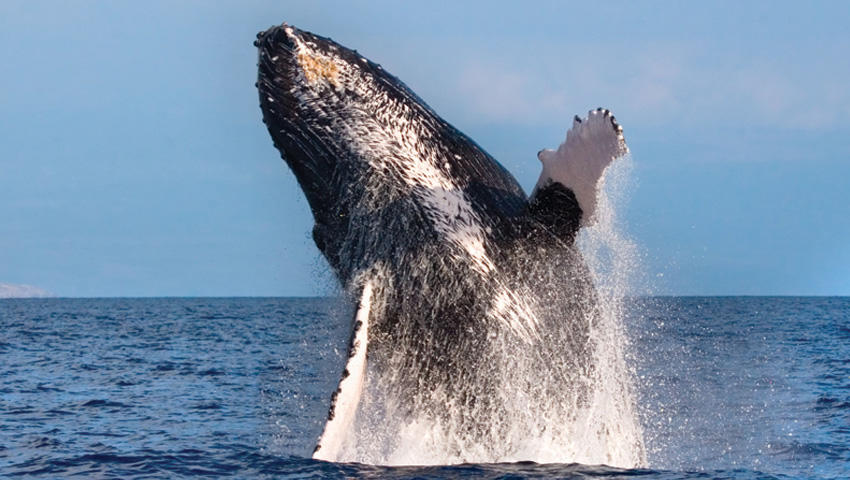
The whale season transforms Oʻahu’s offshore plains into a classroom of behavior: mating songs reverberate underwater, whales breach in displays that are part courtship and part play, mothers nurse calves in comparatively shallow waters, and pods form loose communities that can linger for days. Watching is not only about the dramatic leap; it’s about learning the rhythms and reading the signs. Effective whale watching from Kunia Camp means thinking like a naturalist—arriving before the sun fully wakes the sea, using binoculars to scan for spouts, and reading the textured signals of dorsal fins and pectoral flippers. The environmental stakes are high, too. Hawaii’s humpbacks are protected under federal law and local guidelines; responsible viewing—maintaining distance, not pursuing or encircling animals, and choosing operators committed to low-impact practices—keeps this winter ritual healthy for generations to come.
Beyond the whales themselves, the Kunia-to-coast corridor is a compact adventure itinerary. Early-morning watchers often pair a short harbor cruise with a midday reef snorkel, a bayside picnic, or a guided coastal hike. Cultural context deepens the experience: Hawaiian communities emphasize the interconnectedness of land and sea (ʻaina and kai), so whale season is more than tourism—it’s a seasonal signpost on the island calendar that brings perspectives on stewardship, song, and shared ocean history. For photographers and wildlife enthusiasts, Kunia Camp’s advantage is logistical: you can leave bulky luggage at camp, chase different vantage points in a single day, and return to a quiet campfire or night sky after a long day of ocean light and whale song.
Practically speaking, planning around whale season matters. December through May is when sightings are most consistent, but weather, swell, and visibility vary—calmer days reward offshore visibility while windy trade winds can make small-boat options choppier. Shore viewing can be exceptionally satisfying on calmer mornings and is a worthwhile alternative for family groups, photographers who prefer long lenses to rocking decks, and travelers sensitive to motion. For those who want education with their spectacle, look for tours that include a naturalist on board, or local community programs that offer interpretive talks and citizen-science opportunities. Ultimately, Kunia Camp is not about a single dramatic leap of the whale; it’s about designing a humane, smart, and deeply felt encounter with one of the ocean’s great migratory stories—accessible, reflective, and responsible.
The winter migration brings large concentrations of humpbacks to Hawaiian waters; Kunia Camp’s inland location is mirrored by convenient access points to both west- and south-facing launch harbors, so you can match sea conditions to the style of trip you want.
When choosing a boat operator, prioritize licensed captains who follow NOAA viewing regulations, brief passengers on safety and ethical viewing, and limit vessel speed and approaches to reduce disturbance.
Best Time to Visit
Best Months
Weather Notes
Winter months bring cooler ocean temperatures and larger swells at times. Mornings are often the calmest and clearest for sightings; afternoons can bring more wind and chop. Rain is possible year-round; check marine forecasts before heading out.
Peak Season
January through March typically offer the most consistent, close-in sightings of mothers with calves and social pods.
Off-Season Opportunities
Late spring to fall has fewer humpbacks but can offer tranquil shore photography, reef snorkeling, and fewer crowds; local coastal birding and reef life remain rewarding.
Frequently Asked Questions
Do I need a permit to watch whales from shore or on a private boat?
Shore-based viewing is public and requires no permit, but private vessel operators may need commercial permits to carry passengers. All visitors must follow federal and state regulations that prohibit harassing marine mammals.
Are whale-watching tours wheelchair accessible from Kunia Camp?
Accessibility depends on the launch harbor and the operator. Some larger passenger vessels and harbor facilities offer wheelchair access; smaller vessels and Zodiac-style trips may not. Contact tour operators directly for current accessibility details.
How early should I book a whale-watching trip during peak season?
Reserve tours at least 2–4 weeks in advance during peak months, and sooner for holiday periods. Early-morning sailings and tours with naturalists tend to fill fastest.
Choose Your Experience Level
Beginner
Gentle shore-based watching and large passenger-boat tours suited for families and travelers who prefer stability and lower exposure to seas. Great for first-time whale watchers and photographers with long lenses.
- Sunrise shore watch from a nearby coastal lookout
- Large harbor-based whale-watching cruise with commentary
- Half-day boat tour with on-board naturalist
Intermediate
Smaller-vessel excursions, photography-focused trips, and combined snorkel-and-watch days. Requires basic sea tolerance and some mobility to board smaller craft.
- Small-group motorboat tour aimed at photography
- Combined whale watch and reef snorkel trip
- Nearshore Zodiac excursion when conditions allow
Advanced
Expeditions that chase specialized sightings, multi-day marine biology trips, or volunteer citizen-science programs. These require good sea legs, a readiness for variable conditions, and commitment to conservation practices.
- Multi-day marine ecology/whale behavior expedition
- Guided research-boat experience with data collection
- Photography workshop targeting advanced composition and lighting
Insider Tips & Local Knowledge
Respect marine wildlife regulations and the cultural importance of the ocean; prioritize ethical operators.
Start early: dawn light and calm seas maximize sighting potential and photographic contrast. If you’re sensitive to motion, favor larger vessels or shore viewing—small boats are exciting but can be uncomfortable in any heavy swell. Choose operators who include a naturalist on board and brief passengers on safe, legal viewing distances; these tours are not only more informative but typically more committed to low-impact behavior. Bring cash and copies of necessary documents; some smaller operators and harbors have limited card capability. For photographers: set a fast shutter speed, anticipate the breach with burst modes, and consider a lens in the 200–400mm range for full-frame cameras; shore photographers will want 400mm+ for usable frames. Finally, remember to balance spectacle with stewardship—loud noise, chasing, or attempting to swim with whales harms animals and risks penalties. If you want to give back, seek out community beach cleanups, educational talks, or local citizen-science projects that monitor whale behavior and coastal health.
What to Bring
Essential
- Binoculars (7x–12x) and a telephoto lens for photographers
- Windproof and waterproof outer layer (ocean spray and trade winds)
- Motion-sickness medication or wristbands if you plan a small-boat trip
- Sun protection: broad-spectrum sunscreen, wide-brim hat, UV sunglasses
- Reusable water bottle and snacks
Recommended
- Compact tripod or monopod for stabilized telephoto shots
- Light layers for morning-to-midday temperature swings
- Dry bag for electronics on small boats
- Copies of ID and a small amount of cash
- Portable phone charger
Optional
- Field guide or whale ID app for on-the-water learning
- Underwater camera for combined snorkel/whale-day itineraries (only when permitted)
- Notebook for behavioral observations if participating in citizen science
Ready for Your Whale Watch Adventure?
Browse 77 verified trips in Kunia Camp with instant booking
Explore Top 15 Kunia Camp, Hawaii Adventures →