E-Bike Adventures in Kitty Hawk, North Carolina
Kitty Hawk's wide, low-slung landscape and network of soundside lanes make it an especially welcoming place for e-biking. Riders glide past marshes, historic sites, and ocean viewpoints with battery-assisted confidence—making longer loops, headwind days, and mixed-surface stretches accessible to a broader range of travelers. This guide focuses on planning, seasonal conditions, route choices, and practical details that turn an e-bike outing here into a coastal travel highlight.
Top E-Bike Trips in Kitty Hawk
4 trips • Book with confidence • Instant confirmation
Why Kitty Hawk Is Ideal for E-Biking
The charm of e-biking in Kitty Hawk is both immediate and quietly practical: a little electric assist transforms the Outer Banks from a narrow, weathered strip of sand and salt into a place of expansive, rideable possibility. Kitty Hawk sits where the Atlantic meets the sound, and the riding follows that edge—low dunes, marsh edges, quiet residential lanes, and a handful of designated bike paths that thread between coastal neighborhoods and historic sites. For travelers who want coastal exposure without committing to strenuous headwinds or multi-mile beach pushing, e-bikes open routes that would otherwise feel long, exposed, or logistically awkward.
This place also rewards a slower pace of exploration. The Wright Brothers' experiments at Kill Devil Hills and nearby memorials sit within easy reach of soundside stops and oceanfront turnouts; you can cruise from a breakfast café to the Wright Brothers National Memorial, pause for a coastal history lesson, and still have battery and daylight to take a detour through marsh boardwalks and wildlife viewing points. That combination of accessible heritage, low-gradient terrain, and varied scenery—salt marsh, sheltered sound, and Atlantic outlooks—makes Kitty Hawk uniquely friendly to electric bikes. You get the freedom to stitch together short bursts of activity (a birdwatching stop, a swim, a beach picnic) into a single day without the fatigue that would limit those same plans on a conventional bike.
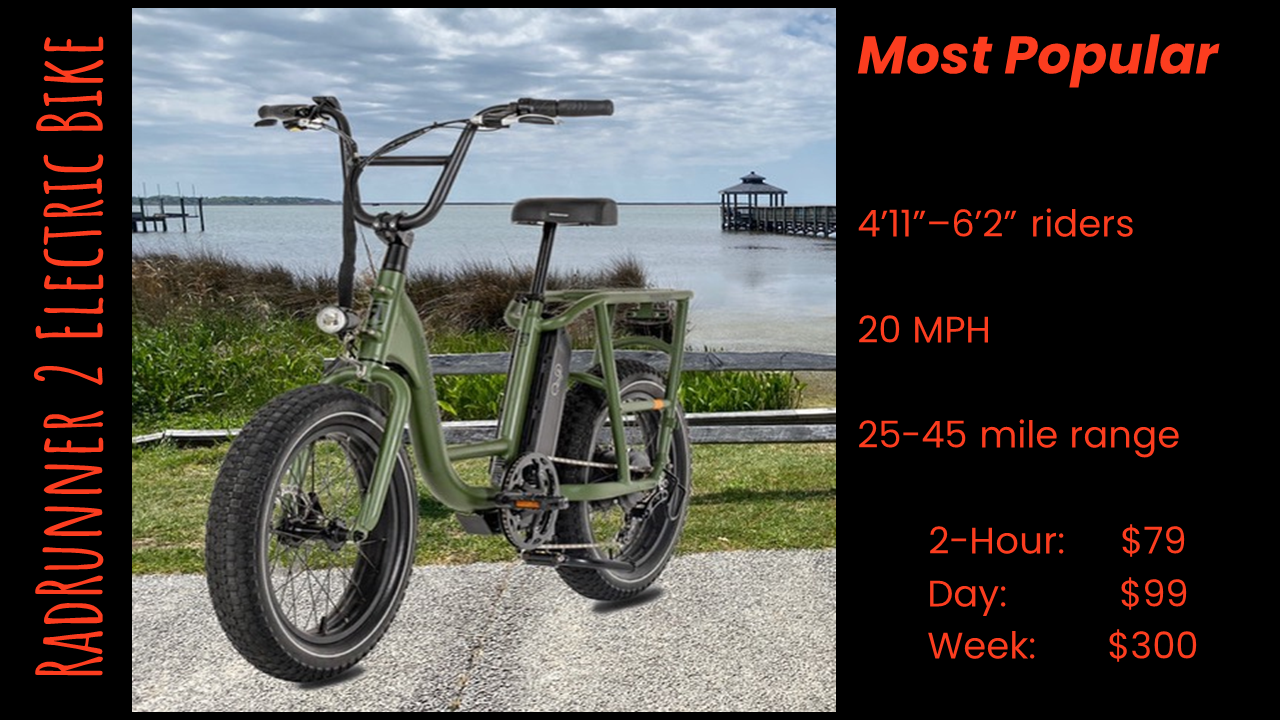
E-bikes also change how you handle the weather here. Wind is the defining element of Outer Banks travel: it sculpts the dunes, powers the kiteboarders, and can make a plain two-way ride feel like a test. With pedal assist you can tackle longer coastal loops and still have energy left to enjoy the places you arrive at. That said, the assist doesn't remove planning—battery management, realistic distance expectations, and sensible equipment choices remain important. Kitty Hawk's infrastructure is friendly but not abundant: rental shops and a few cafés offer charging and advice, but you'll want to plan where you top off and how far you can realistically go on a single charge.
Finally, the social and ecological character of Kitty Hawk shapes the experience. This is a place where local anglers, surfers, and birders coexist with seasonal vacationers. Riding here invites a mixed program: combine a soundside cruise with SUP at sunrise, a surf lesson at high tide, or an evening dune-side picnic. E-bikes broaden who can do that comfortably—families, older riders, and anyone seeking to cover more ground without draining energy. The payoff is a coastal loop that feels immersive rather than exhaustive, and a travel day that leaves you with both stories and stamina for the next adventure.
E-bikes make headwind-prone coastal routes and longer soundside loops accessible to a wider range of riders.
The terrain is mostly flat with paved lanes, quiet neighborhood roads, and some soft-surface beach access; choose tires accordingly.
Cultural sites—the Wright Brothers National Memorial and small Outer Banks museums—pair well with short e-bike excursions.
Complementary activities include birdwatching, kiteboarding, paddleboarding, and light hiking on nearby trails.
Best Time to Visit
Best Months
Weather Notes
Spring and fall offer the most comfortable temperatures and steadier winds for e-biking. Summers are warm and humid with stronger afternoon sea breezes; winter is cool and occasionally raw with gusty days.
Peak Season
Summer (June–August) draws the highest visitor numbers; beaches and rental shops are busiest.
Off-Season Opportunities
Late fall and early spring bring quieter roads and lower rental demand; watch for cooler temps and occasional stormy weather.
Frequently Asked Questions
Are e-bikes legal on Kitty Hawk bike paths and beaches?
E-bikes are generally allowed on paved bike paths and local roads, but regulations for beach riding vary and many oceanfront sections prohibit motorized or wide-tread vehicles. Always check local signage and rental policies before heading onto the beach.
Can I rent e-bikes in Kitty Hawk?
Yes—several nearby rental shops and outfitters serve the Outer Banks with e-bike options and guided tours. Availability increases in spring and summer; book ahead for weekends.
How do I plan for battery range and charging?
Plan conservative distances and factor wind and rider weight into estimates. Many rentals include a full charge and offer spare batteries or charging guidance; cafés and visitor centers may provide limited top-ups, but don't rely on public charging as your sole option.
Choose Your Experience Level
Beginner
Short, flat rides on paved soundside lanes and marked bike paths with minimal technical demand—ideal for families and first-time e-bike users.
- Soundside promenade and marsh viewpoint loop
- Kick-off ride to the Wright Brothers National Memorial with stop-and-go sightseeing
- Short surf-and-ride combo: quick beach access and nearby refreshments
Intermediate
Longer mixed-surface loops that require moderate route-finding and battery management; watch for occasional sandy stretches and wind exposure.
- Full Kitty Hawk–Nags Head coastal loop via local lanes and bike paths
- Birding-focused ride with multiple stops at marsh boardwalks
- Half-day guided tour that includes historical stops and sound crossings
Advanced
Extended day rides that take advantage of e-bike range to explore neighboring towns, headland viewpoints, and cross-peninsula connectors—require planning for charging and variable conditions.
- All-day Outer Banks traverse linking multiple towns and beach access points
- Wind-challenged long-distance loop designed to maximize scenic outlooks
- Multi-activity day integrating SUP, a surf lesson, and long-distance e-bike legs
Insider Tips & Local Knowledge
Respect local rules, watch for changing winds, and plan conservative distances.
Start rides in the morning when winds are usually lighter and parking is easier. If a planned oceanfront stretch looks soft or vehicle-only, switch to the soundside alternative—it's often more reliable and scenic for wildlife. When renting, ask about spare batteries and how the shop recommends you manage charge based on expected wind and route. Carry a simple lock for stops at cafés or memorials; overnight storage can be an issue for visitors staying in short-term rentals. Finally, pair e-bike days with nearby activities: a sunrise paddle, an afternoon kiteboarding lesson for spectators, or an evening birdwatching walk in a nearby reserve. Those combinations make a single battery day feel like an expansive coastal experience rather than a single ride.
What to Bring
Essential
- Helmet (required by many rentals and recommended for all riders)
- Chargers and spare battery if available
- Water, snacks, and sun protection
- Phone with offline map and emergency contact
- Light wind layer (the coast can be cooler than it looks)
Recommended
- Tire repair kit and small pump (tubeless plugs or patch kit)
- Lock for stops and overnight security
- Portable power bank for phone or lights
- Sunglasses with wind protection
Optional
- Light panniers or saddlebag for picnic gear
- Binoculars for marsh and birding stops
- Waterproof pack cover for spray-prone sections
Ready for Your E-Bike Adventure?
Browse 4 verified trips in Kitty Hawk with instant booking
Explore Top 15 Kitty Hawk, North Carolina Adventures →