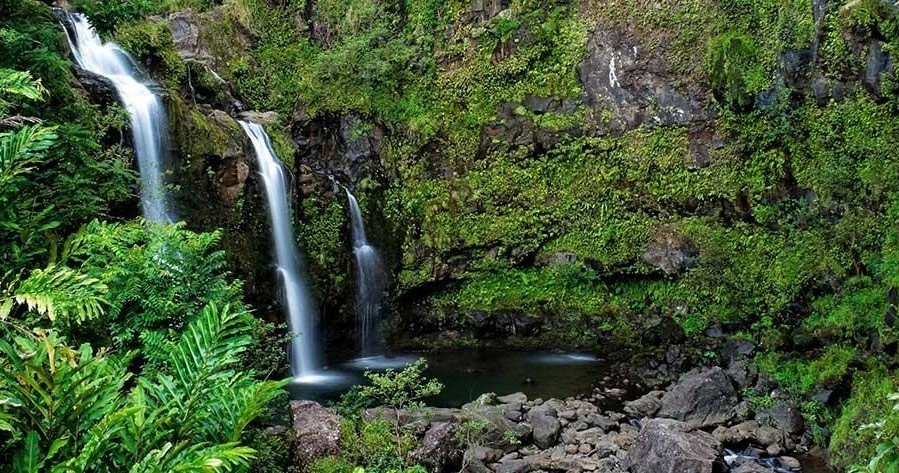
Top Photography Tours in Kīpahulu, Hawaii
Kīpahulu is a narrow, green finger of eastern Maui where the road and the rainforest trade places with the ocean. For photographers it’s a concentrated classroom of texture and light: basalt cliffs and black pebble coves, tidal pools that mirror the sky, towering waterfalls framed by bamboo, and woven patches of loʻi taro. Photography tours here move deliberately—timed for golden hour on the coast, for the soft, diffused light beneath the forest canopy, or for long exposures that transform churning falls into silk. Local guides translate the place linguistically and logistically, pointing toward ephemeral moments of color, cultural context, and safe shooting angles in a landscape where weather and tides rewrite your shot list every hour.
Top Photography Tour Trips in Kīpahulu
43 trips • Book with confidence • Instant confirmation
Why Kīpahulu Is a Standout Destination for Photography Tours
Driving the Hāna Highway toward Kīpahulu feels like slowing time: each turn revises the light, and every roadside cascade promises a frame. Photographers are drawn here not for a single landmark but for contrasts—brittle coastal cliffs that drop into surf, the lush green of wet valleys, and trails that climb under cathedral stands of bamboo to waterfalls that are both thunder and texture. The district’s compact geography concentrates many of Maui’s most photogenic elements, which means a well-planned photography tour can yield a portfolio of coastal panoramas, intimate botanical studies, and long-exposure waterfall work in a single day.
What makes Kīpahulu especially rich for image-making is the relationship between weather and mood. Trade winds sweep in moisture from the Pacific; pop-up showers and mist sculpt light into transient beams and soft surrounds, perfect for shooting layered landscapes and shaded forest interiors. Sunrise and sunset are obvious jewels—the eastern exposure offers a softer sunrise palette along sheltered coves, while late-day light along certain headlands creates saturated colors and dramatic silhouettes. Between those extremes, the canopy and tidal pools provide shelter from harsh midday contrast, and small details—pōhaku (rocks), wet ferns, taro terraces—become compelling subjects under diffused light.
Kīpahulu’s cultural history is inseparable from its imagery. Ancient agricultural terraces, wahi kūpuna (sacred sites), and small coastal settlements are often part of a responsible photographer’s itinerary; touring with a guide who understands cultural sensitivity helps ensure images respect the living landscape and its caretakers. Many local tours incorporate short interpretive segments—introductions to native plants or the cultural importance of certain sites—so photographers can contextualize their work and often access vantage points they might otherwise miss.
Practically speaking, Kīpahulu is a place of variable access. Some of the best compositions are a short, flat walk from roadside parking; others require a half-day hike along the Pipiwai Trail to reach Waimoku Falls or to work light in the bamboo forest. The coastline can be treacherous—slick rocks, unpredictable surf, and narrow ledges—so guided tours are popular for safety and local knowledge. For traveling photographers who value logistics as much as light, Kīpahulu’s compactness means less time commuting and more time crafting shots. Complementary activities—wildlife and seabird watching, snorkeling near calmer coves, and cultural site visits—add texture to a photography-focused trip and can produce unexpected frames when combined with patient observation.
Kīpahulu concentrates a wide range of photography subjects—coastal panoramas, black-sand beaches, tidal pools, waterfalls, and dense bamboo corridors—within a short driving radius from Hāna.
Weather shapes the work: quick tropical showers can create dramatic cloudscapes and saturated foliage, while trade-wind afternoons produce clearer skies and sharper coastal light.
Cultural context matters—working with local guides helps photographers find meaningful compositions while respecting wahi kūpuna and private land.
Tours range from short sunrise sessions to half-day shoots that include hiking and tide-aware coastal scouting; choose a pace that matches your fitness and gear load.
Best Time to Visit
Best Months
Weather Notes
Kīpahulu experiences frequent microclimates: drier months typically run April through October while November through March bring more rain and dramatic skies. Trade winds can moderate temperatures but increase spray along exposed coastlines. Be prepared for quick weather shifts; a single day may include sun, mist, and rain.
Peak Season
Summer and holiday periods draw the most visitors; Hāna Highway traffic increases during weekends and holidays.
Off-Season Opportunities
The wetter months produce brooding skies, saturated colors, and fewer people on trails—excellent for moody landscape work and solitude-driven shoots. Weekdays in shoulder seasons are ideal for smaller groups.
Frequently Asked Questions
Do I need permits for photography in Kīpahulu?
For casual personal photography, permits are generally not required for public trails and roadside viewpoints. Commercial shoots, drone use, or formal portrait sessions may require permits from land managers or state agencies—check with tour operators and local authorities before planning professional shoots.
How much hiking is involved on typical photography tours?
Tours vary. Many photo sessions visit roadside overlooks and short boardwalks suitable for most fitness levels; others include moderate hikes such as the Pipiwai Trail to reach Waimoku Falls, which is longer and may be muddy or slippery.
Are drones allowed for photography?
Drone regulations change by location and often restrict flights in national park units and near cultural sites. Always verify current rules with park authorities and local agencies before flying.
Is it safe to shoot on the shoreline?
Shoreline shooting can be hazardous—sneaker waves, slippery rocks, and strong currents are real risks. Use caution, stay aware of tide conditions, and follow guidance from experienced local guides.
Choose Your Experience Level
Beginner
Short, guided shore shoots and easy boardwalks that emphasize composition basics and camera settings in forgiving light.
- Sunrise coastal session at sheltered coves
- Boardwalk shoots near Oheo Gulch
- Intro to long-exposure waterfall photography (easy vantage points)
Intermediate
Half-day tours combining forest trails and coastal scouting with more technical instruction—ND filters, manual exposure blending, and composition for layered scenes.
- Pipiwai Trail bamboo forest and Waimoku Falls long exposures
- Tidal-pool macro and reflection studies at low tide
- Midday canopy lighting and texture exploration
Advanced
Full-day or multi-day scouting and location-driven sessions focused on commercial work, time-lapse setups, or low-light/night photography with logistical planning.
- Multi-location scouting for commercial or editorial shoots
- Sunset-to-blue-hour coastal panoramas and astro-guided compositions
- Advanced tide- and surf-aware coastal technique sessions
Insider Tips & Local Knowledge
Confirm access, tide tables, and weather before you go; respect cultural sites and private property.
Plan shoots around golden and blue hour when light is most flattering and crowds are smallest. Check tide charts—some of the best tidal-pool reflections and basalt textures are visible only at low tide. Work with a local guide for safer access to fragile or sacred locations and for context that enriches your images. Protect gear from spray and humidity: carry rain covers, wipe lenses frequently, and store electronics in dry compartments. Be mindful of slippery trails and wear shoes with traction. If you plan to fly a drone or undertake commercial photography, contact local land managers for regulations and permits. Finally, remember that the most memorable images often come from slowing down: wait for light to change, look for foreground details, and give subjects the cultural respect they deserve—ask before photographing people or private structures.
What to Bring
Essential
- Sturdy walking shoes with grip (slippery rocks and wet trails are common)
- Tripod (compact, corrosion-resistant preferred) for long exposures
- Weather protection for gear (rain cover or waterproof bag)
- Multiple memory cards and fresh batteries
- Layered clothing and a lightweight rain shell
Recommended
- Wide-angle lens for landscapes and bamboo tunnel shots
- Medium telephoto for compressed coastal scenes and isolated details
- Neutral density filters and polarizer for waterfall and tidal-pool control
- Small microfiber towels and silica gel packs to manage humidity
- Local guide or map with tide times and trail conditions
Optional
- Underwater housing or waterproof camera for safe tidal-pool work
- Lens cloths and blower for spray-prone environments
- Portable battery pack and spare camera battery
- Lightweight gaiters if you plan to cross muddy sections of trails
Ready for Your Photography Tour Adventure?
Browse 43 verified trips in Kīpahulu with instant booking
Explore Top 15 Kīpahulu, Hawaii Adventures →