2

Top 14 Photography Tours in Keaʻau, Hawaii

Keaʻau, Hawaii

Keaʻau is a compact launch point for photographers who want dramatic contrast: steamy rainforest canopies, black basalt coastlines, and the raw geology of volcanic landscapes within a short drive. These photography tours emphasize light, texture, and the island's elemental moods—sunrise on the shore, green tunnels after rain, and the smoky edges of geological activity—paired with accessible fieldcraft for every skill level.

14
Activities
Year-round (wet season influence)
Best Months

Top Photography Tour Trips in Keaʻau

14 trips • Book with confidence • Instant confirmation

Why Keaʻau Is a Standout Base for Photography Tours

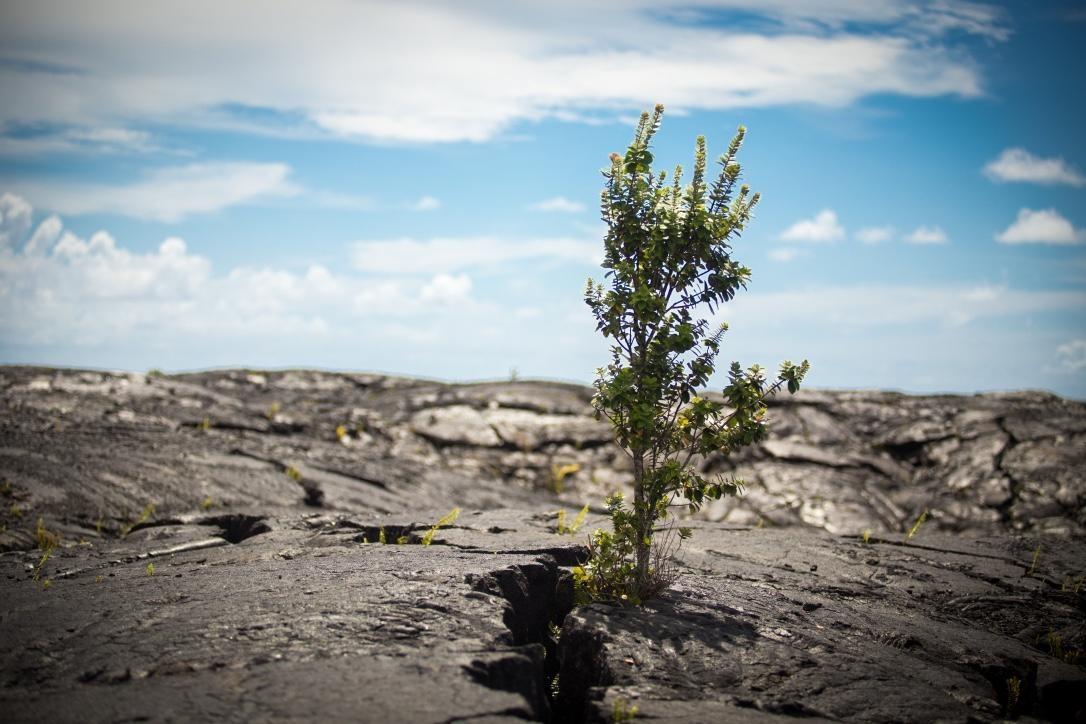
Keaʻau sits at a crossroads of contrasts that reward anyone serious about making images: dense, verdant forest that drips with texture and moisture; ragged, blackened shorelines where ocean and cooled lava meet; neighborhood roads that thread into old sugar and agricultural plots; and the ever-present geological heartbeat of Hawaiʻi Island—its volcanoes. For photographers this concentration of environments within a compact driving radius means the kind of variety often reserved for multi-day road trips elsewhere. A morning can begin in filtered rainforest light under a canopy of ʻōhiʻa and ferns, move to a windswept black-sand beach for mid-day surf and basalt studies, then finish with low-angle golden hour across a lava field, all without spending hours behind the wheel.

What makes Keaʻau particularly compelling is how the human and the elemental intersect. Small farms, historic paniolo (ranching) routes, and tideline communities punctuate the landscape, offering foregrounds and cultural context to landscape images—an abandoned sugar mill tower, a local fishing canoe pulled up on volcanic sand, a roadside stand with tropical fruit against a misted backdrop. Photography tours out of Keaʻau often fold in narrative: you’re not only shooting trees and rocks, you’re documenting a place where living people, deep-time geology, and island ecosystems converge. Guides here emphasize composition that respects both nature and community—frames that tell a sense of place rather than extract scenes from their cultural context.

From a practical standpoint, Keaʻau’s weather and terrain shape photographic opportunity. The Puna district is famously wet; showers wrinkle the ocean and saturate foliage with jewel-like color, creating reflected light and a palette that responds dramatically to careful exposure. That same moisture demands practical fieldcraft—weather-sealed gear, quick-drying layers, and an eye for changing light. Conversely, coastal stretches can be brutally bright and wind-scoured, favoring heavy lenses and fast shutter speeds for surf motion studies. Many tours tailor their itinerary by time of day and microclimate: sunrise when the shore is flat and glassy, midday for forest detail under dappled skies, and late afternoon for lava textures and long shadows that sculpt the land.

For photographers who want to expand beyond static landscapes, Keaʻau is also a gateway to related experiences: guided hikes to hidden waterfalls, birding focused shoots for Hawaiʻi’s endemic species, and nighttime or low-light workshops that explore starfields and volcanic glow when conditions permit. The best tours balance image-making with safety and stewardship—keeping a respectful distance from fragile shorelines and culturally significant sites while maximizing light and access. In short, Keaʻau offers concentrated variety, cultural texture, and volatile natural beauty; a photographer who plans for moisture, changing light, and rugged footing will find an island-sized portfolio in a few days here.

Tours from Keaʻau lean into local knowledge: guides pick the best microclimates and vantage points for seasonal blooms, tide windows, and volcanic visibility. That local expertise converts a long list of potential photo stops into a coherent shoot plan optimized for light and safety.

Because Puna's weather patterns are variable, many operators design flexible itineraries. Expect swaps between coastal sessions and forested areas when showers move through, and be prepared for quick transitions in both light and footing.

Activity focus: Guided photography tours & workshops
Number of curated local tours: 14
Terrain mix: coastal black sand, lava fields, humid rainforest, rural roads
Access: most tours include short walks; some require uneven footing
Seasonality: photography is viable year-round; expect more rain in winter
Complementary experiences: waterfall hikes, birding shoots, night-sky workshops

Best Time to Visit

Best Months

AprilMaySeptemberOctoberNovember

Weather Notes

Keaʻau and the Puna district are influenced by trade winds and orographic rainfall—expect frequent, brief showers that heighten color and texture. Winter months (roughly November–March) can bring more persistent rain; summer can be drier but still subject to localized downpours. Vog (volcanic haze) may affect visibility downwind when volcanic activity increases; monitor local advisories.

Peak Season

Holiday periods and summer breaks draw more visitors and book out popular guided tours faster.

Off-Season Opportunities

Wet-season weekdays often offer solitude on landscapes, richer saturated colors after storms, and more flexible guide availability—though prepare for slick footing and cancelled or altered plans due to weather.

Frequently Asked Questions

Do I need permits for photography tours or shooting in public areas?

Most small-group photography tours operate on private or permitted access negotiated by the operator. Commercial or professional shoots in protected areas—especially within national parks or on private property—may require permits. Ask your tour provider about permissions for specific locations.

Can I fly a drone during a photography tour?

Drone rules vary: national parks, some coastal wildlife areas, and private properties often prohibit drones. Always check local regulations and the tour operator’s policy—do not assume drone use is allowed.

How physically demanding are these tours?

Tour difficulty ranges from easy coastal walks and beach shoots to moderate hikes across uneven lava and muddy forest trails. Operators usually list required fitness and mobility levels—confirm when booking if you have mobility concerns.

Choose Your Experience Level

Beginner

Short, accessible sessions focused on composition basics, coastal sunrise/sunset, and tide-line studies with minimal hiking.

  • Sunrise black-sand beach shoot
  • Short coastal vignette and tide-pool session
  • Intro workshop on composition and exposure

Intermediate

Half-day tours that include short hikes, rainforest light studies, and instruction on filters and long exposures.

  • Waterfall and rainforest detail shoot
  • Golden-hour lava-field session
  • Seascape motion-blur and polarizer workshop

Advanced

Full-day or multi-environment itineraries that pursue volcanic vistas, low-light/night shoots, and technical landscape techniques.

  • Night-sky and Milky Way composition workshop
  • Advanced volcanic texture and macro geology sessions
  • Multi-light, HDR, and high-dynamic-range landscape projects

Insider Tips & Local Knowledge

Confirm access and local advisories before you go. Respect private property, cultural sites, and fragile shorelines.

Start your day early—coastal mornings offer calmer water and softer light, while mid-morning can bring more wind and surf. Carry covers for your camera and keep silica packs handy; humidity and sudden showers are part of the Puna experience. If a tour mentions lava or volcanic vistas, ask the guide how they assess safe viewing distances and how visibility may change with vog or cloud. When shooting near tide lines, watch for sneaker waves and never turn your back to the ocean. For night photography, check for light pollution and choose clear windows—local guides can advise on safe vantage points and backcountry access. Finally, hire local guides when possible: they know private access points, best microclimates, and cultural sensitivities that transform a good shoot into a thoughtful one.

What to Bring

Essential

  • Weather-sealed camera body or protective rain cover
  • Lens selection: wide (16–35mm), mid (24–70mm), telephoto (70–200mm) for varied scenes
  • Sturdy tripod with low-center column option for windy shorelines
  • Polarizing and neutral density filters
  • Waterproof daypack or dry bags for gear

Recommended

  • Quick-dry clothing and light rain shell
  • Sturdy hiking shoes with grip for wet lava and muddy trails
  • Spare batteries and memory cards (humidity drains power faster)
  • Microfiber cloths and silica gel packs for lens fog
  • Portable power bank for charging in the field

Optional

  • Drone (check local and park regulations before flight)
  • Teleconverter or prime lenses for low-light work
  • Small LED panel for fill on shaded forest subjects
  • Polarized sunglasses for mid-day coastal glare

Ready for Your Photography Tour Adventure?

Browse 14 verified trips in Keaʻau with instant booking

Explore Top 15 Keaʻau, Hawaii Adventures →