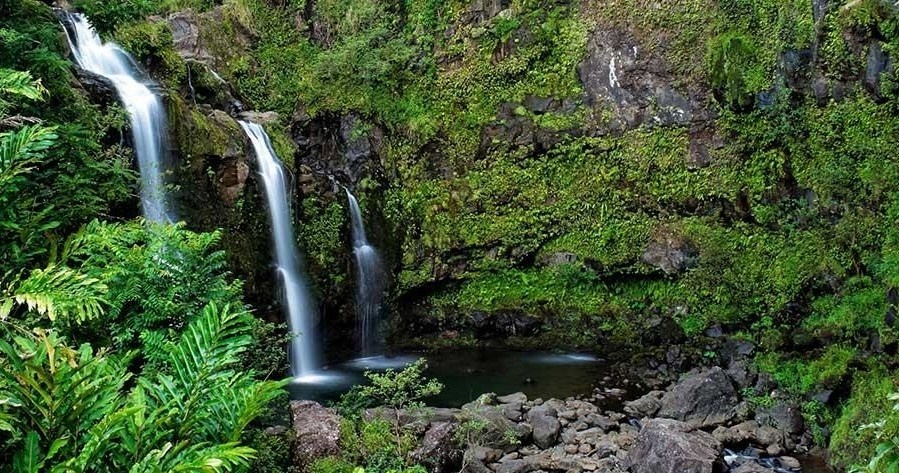
Photography Tours in Keʻanae, Hawaii
Keʻanae is a compact, uncompromising stretch of Maui where varnished basalt cliffs meet surf-smoothed shorelines and centuries-old taro loʻi trace the landscape like geometric lenses. For photographers a short drive from Hana, this peninsula offers high-contrast seascapes, intimate cultural scenes, and moody weather that reshapes light by the hour. Photography tours here focus on timing—tides, surf, and ephemeral cloud bands—while emphasizing respect for private farms and fragile coastal ecosystems. Expect hands-on composition coaching, local context, and a heavy dose of wet-rock caution.
Top Photography Tour Trips in Keʻanae
48 trips • Book with confidence • Instant confirmation
Why Keʻanae Is a Magnetic Spot for Photography Tours
On the map Keʻanae reads like a single dot on the windward edge of Maui, but on the ground it expands into a tight cluster of visual possibilities. Photographers are drawn to Keʻanae because it distills the island’s elemental imagery—black volcanic rock, mosaics of emerald taro patches, foaming Pacific surf, and low, often dramatic skies—into a compact field studio where light changes fast and compositions are everywhere. A photography tour here is less about long approaches and more about learning to see: how the same cliff will accept backlit edges at sunrise, become a silhouette at mid-morning, and then glow with reflected color when storms pass offshore. The tape of weather—trade-wind showers, transient rainbows, and the winter swell—creates cinematic conditions that reward patient framing and quick technical choices.
Guides who run photography tours in Keʻanae blend local knowledge with practical teaching. They know where tidal pools hold mirror reflections, where basalt textures pop under sidelight, and where a taro farmer’s wall or a narrow road will serve as the foreground anchor for a wide-angle scene. A good tour will teach you timing—arrive before golden hour to claim a vantage, or map an ebb tide for safe shoreline shots—while explaining cultural and environmental considerations. Many of the most compelling images are born from juxtaposition: careful agricultural geometry backed by riotous ocean movement; a weathered concrete pier cutting across long-exposure clouds; or a lone tree leaning into the wind with spray frozen mid-arc. In Keʻanae those juxtapositions happen within strides of each other, so a half-day or full-day tour can offer convincing variety without extensive hiking.
But the place also asks for humility and light feet. Keʻanae’s coastline is raw and often slippery; surf can be deceptively strong and changes with tide and swell. Respect for private taro loʻi, quiet parking, and cultural sensitivity around local residents belongs in every narrative frame. The best photographs from Keʻanae look effortless but are built on a mix of scouting, timing, and restraint—knowing when to push an exposure and when to step back. For photographers who want raw coastal drama, intimate landscape details, and a dose of Hawaiian cultural context, a guided photography tour in Keʻanae is an efficient and enriching way to sharpen both craft and sense of place.
Keʻanae compresses diverse photographic subjects—seascape, agricultural portraiture, and storm-lit skies—into a walkable area, making it ideal for short guided tours.
Local guides emphasize shoreline safety, tide awareness, and cultural respect, essential knowledge for getting strong images without disrupting the landscape or community.
Lighting windows are short and changeable; sunrise and the last hour before sunset offer the most dramatic contrasts, while mid-day is best for macro textures and cultural detail.
Best Time to Visit
Best Months
Weather Notes
Keʻanae sits on Maui’s windward side—expect quick showers, diffuse light, and a mix of sunny windows and brooding skies. Winter months bring larger swells and more dramatic surf; summer tends to be calmer with cleaner skies. Wind and salt spray can affect equipment and exposures, so plan shorter lens changes and frequent cleaning.
Peak Season
Winter swell season draws photographers seeking dramatic breaker and spray conditions; holiday traffic along the Hana Highway can increase parking demand.
Off-Season Opportunities
Summer offers calmer seas ideal for close-shore macro and tidal-pool work, and quieter access for longer scouting sessions during weekdays.
Frequently Asked Questions
Do I need permits to photograph along the Keʻanae coastline?
No general permit is required for roadside viewpoints and public coastal areas, but some loʻi (taro fields) and private properties are off-limits without permission. Commercial shoots or professional workshops may require advance permission—check with guides or local authorities for specific commercial-permit rules.
Are guided photography tours suitable for beginners?
Yes. Many tours are designed to teach composition and camera technique in the field, with patient, step-by-step instruction tailored to beginners and intermediate photographers.
Is drone photography allowed in Keʻanae?
Drone use in Hawaii is governed by federal and state regulations; local restrictions and safety considerations near people, wildlife, and private property apply. Always check current FAA rules and local advisories before flying.
Choose Your Experience Level
Beginner
Short, low-effort outings from roadside overlooks and the small peninsula—ideal for learning composition, framing, and basic exposure control.
- Sunrise wide-angle seascape session from an accessible viewpoint
- Tidepool detail and texture photography at low tide (guided)
- Golden-hour portraits and environmental shots near the taro loʻi (with permission)
Intermediate
Extended half-day tours that include long-exposure techniques, tide-awareness, and basic post-processing guidance; requires careful footing and moderate physical mobility.
- Long-exposure surf sequences using ND filters
- Guided explorations of basalt features and reflective pools
- Paired composition sessions combining foreground interest with distant surf
Advanced
Focused, technical shoots that demand advanced skills—timing big surf, working from exposed rocks, complex multi-filter exposures, or commercial assignments that require permits and precise logistics.
- High-dynamic-range coastal panoramas timed with storm fronts
- Offshore swell photography from secure, low-profile vantage points
- Collaborative shoots incorporating local culture and portraiture (requires community engagement)
Insider Tips & Local Knowledge
Always verify tide charts, local weather, road conditions (Hana Highway can be narrow and slow), and permission for access into private or cultural areas before shooting.
Time your visit around tide windows—low tide reveals tidepools and textures; incoming swell gives better spray for long exposures. Sunrise and the final hour before sunset are the richest for color and directional light; mid-day is useful for detail work and portraits with fill flash. Wear shoes with aggressive grip; basalt is slick when wet. Bring lens-cleaning tools and protect electronics from salt spray—microfiber cloths and a small weather cover pay for themselves. Respect taro farmers and private land: ask before entering loʻi and avoid trampling irrigation ditches. If you plan to use a drone, research FAA rules and local restrictions; many guides prefer handheld and tripod work to avoid disturbance. Finally, fuel up and carry snacks—services between Kahului and Hana are sparse, and a focused shoot can turn into a long afternoon of scouting and waiting for light.
What to Bring
Essential
- Camera body and at least one versatile lens (wide to short-telephoto)
- Tripod with a low center-of-gravity for stable long exposures
- Weather-sealed bag or dry cover for gear
- Sturdy, grippy footwear for wet basalt and tidepools
- Water, sunscreen, and a rain shell
Recommended
- Neutral density filters (ND) for long-exposure seascapes
- Polarizer to control glare in wet scenes and deepen skies
- Lens cloths and silica packets to manage spray and humidity
- Extra batteries and memory cards; cold/humid conditions sap battery life
- Phone with local offline maps and tide app
Optional
- Telephoto lens for compressed coastal compositions and distant birds
- Macro lens for tidepool and taro-field detail
- Remote shutter or cable release
- Small reflector for guided portrait sessions with locals (with permission)
Ready for Your Photography Tour Adventure?
Browse 48 verified trips in Keʻanae with instant booking
Explore Top 15 Keʻanae, Hawaii Adventures →