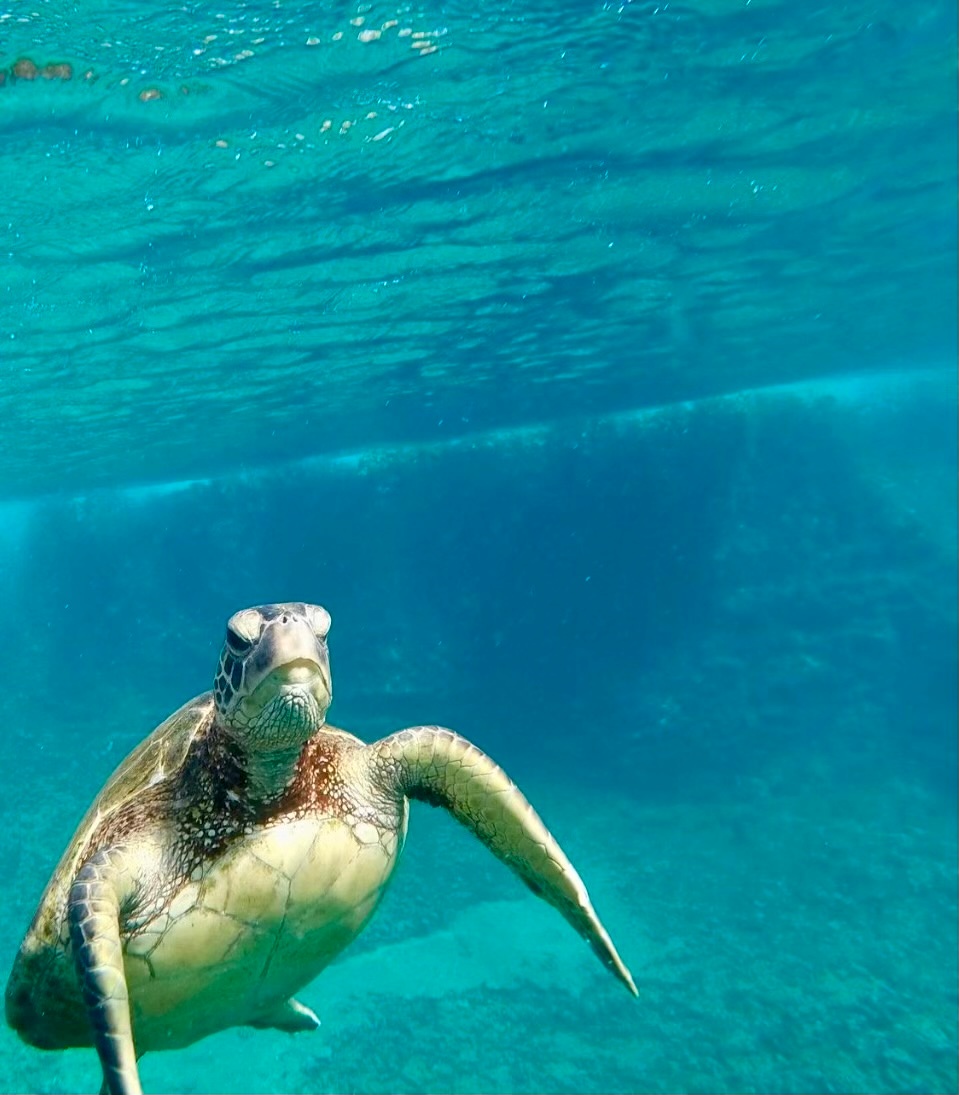
Snorkel Kapolei: Where the West Shore Goes Underwater
Kapolei’s shoreline is underrated for snorkelers: sheltered lagoons, volcanic outcrops, and a string of accessible reef seams create summertime conditions that are calm, clear, and rich with fish life. This guide focuses exclusively on snorkeling experiences—where to go, when to go, what to expect, and how to pair a snorkel morning with paddling, coastal hikes, or cultural stops in the west Oʻahu community.
Top Snorkel Trips in Kapolei
259 trips • Book with confidence • Instant confirmation
Why Kapolei Is a Distinctive Snorkel Destination
Kapolei sits on Oʻahu’s leeward flank, where trade-wind protection and a mix of natural reef and human-made lagoon edges produce a range of snorkel zones that suit families, confident beginners, and local fish nerds alike. The story starts with geology: a coastline shaped by ancient lava flows and lagoon dredging, where pocket reefs and drop-offs sit close to shore. In practical terms that means you can step off a sandy slope at Ko Olina and find colorful reef pockets within a short swim, or launch at Kahe Point and drift along clear channels with chances of spotting larger pelagics.
The marine scene is quietly diverse. Near the lagoons you’ll find reef fish, blue tangs, butterflyfish, and territorial parrotfish carving up coral gardens. Around lava outcrops and the deeper seams, you might glimpse octopus tucked in crevices, eagle rays cruising the sand, and schools of juvenile jacks. Seasonal rhythms matter: manta-like visits are rare here, but humpback whales pass offshore in winter—visible from shore but not compatible with small-boat snorkeling during big swell days. The real reward of Kapolei snorkeling is a dependable, accessible window into Hawaiian reef ecology without the long drives or congested northern beaches.
Cultural and conservation context threads through any responsibly planned trip. Local stewardship groups and reef-care efforts focus on water quality and reef resilience; reef-safe sunscreen and respectful viewing are not just etiquette but active conservation. Snorkelers who pair curiosity with restraint—no touching, no chasing, and minimal fin contact—leave the reef healthier for the next visitor and the community that relies on it. Practical accessibility is a final reason Kapolei stands out: many entry points are short walks from parking or resort paths, so you can time a morning snorkel before crowds build and then spend the afternoon kayaking, stand-up paddling, or visiting nearby cultural sites like the Ko Olina Historic Trails. Whether you plan a 90-minute lagoon session or a half-day drift along Kahe Point, Kapolei’s mix of sheltered spots and lively reef seams makes it easy to tailor a snorkeling day to skill level and weather conditions.
Controlled lagoons and shallow reefs in Ko Olina are ideal for families and learners—clear water, sandy entry, and predictable conditions make for comfortable first dives and easy snorkel instruction.
The more exposed edges—Kahe Point and Mākaha—offer deeper water and stronger currents, attracting larger fish and making them better suited to intermediate snorkelers and guided excursions.
Best Time to Visit
Best Months
Weather Notes
Leeward Oʻahu experiences its calmest seas and clearest water in late spring through early fall. Winter brings north and northwest swells that can close exposed points and reduce nearshore visibility; mornings are generally calmer than afternoons year-round.
Peak Season
Summer months (June–August) and holiday periods draw the most visitors to shorefront lagoons and beaches.
Off-Season Opportunities
Winter months offer quieter beaches and whale-watching from shore, but restrict snorkeling at exposed sites—stick to sheltered lagoons and check daily surf reports.
Frequently Asked Questions
Do I need a permit to snorkel in Kapolei?
No permits are required for casual shore snorkeling, but some private resort areas have access rules—always obey posted signs and respect private property.
Are guided tours necessary?
Guides are recommended for unfamiliar open-coast spots or drift snorkels; they know local current patterns, entry/exit points, and can enhance safety and wildlife encounters.
Is snorkeling safe for kids and non-swimmers?
Yes—at protected lagoons with shallow gradual entries. For open water or exposed points, use flotation devices and consider guided programs designed for families.
Choose Your Experience Level
Beginner
Shallow lagoons and protected bays with sandy entries and calm water—ideal for first-time snorkelers and families.
- Ko Olina Lagoon easy snorkel
- Short guided intro session at a resort lagoon
- Sandy-entry beach snorkel with a flotation aid
Intermediate
Longer swims to nearby reef patches, modest currents, and sites with more diverse marine life—good for confident swimmers.
- Drift along the reef edge near Kahe Point
- Point-to-point snorkel with a local operator
- Snorkel combined with a SUP or kayak shuttle
Advanced
Exposed reef seams and deeper drop-offs with stronger currents; advanced snorkeling or freediving skills and local knowledge are recommended.
- Open-coast reef exploration at Barber's Point
- Half-day guided excursions to remote reef pockets
- Combination dive and snorkel days for experienced ocean users
Insider Tips & Local Knowledge
Always check surf and wind reports, lifeguard advisories, and local access rules before entering the water.
Go early—morning glass-off conditions usually offer the best visibility and calmer currents. Use reef-safe sunscreen and avoid stepping on or touching coral; even unintentionally, contact stresses reef ecosystems. If you plan an exposed-point snorkel, ask locals or operators about tides and currents—some areas are only safe on an incoming tide or require a drift exit. Rent or buy well-fitting gear; loose fins and foggy masks account for a lot of avoidable fatigue. Consider a short guided trip for a first visit: guides position you in the richest water, brief you on fish and coral ID, and help manage safer entries and exits. Finally, pair a snorkel with a shore hike or paddle in the afternoon—Kapolei’s west shore rewards multi-activity days with beaches, coastal trails, and sunset vantage points that bookend a morning in the water.
What to Bring
Essential
- Mask, snorkel, and fins (well-fitting gear prevents fatigue and fogging)
- Reef-safe sunscreen or protective rashguard
- Waterproof ID and dry bag for essentials
- Towel and quick-dry layer for after the water
- Footwear for rocky entries (reef shoes or water shoes)
Recommended
- Surface marker buoy (SMB) if snorkeling near boat traffic
- Anti-fog solution or spit and microfibre cloth
- Lightweight floats or flotation vest for less confident swimmers
- Small first-aid kit and antiseptic for minor cuts
Optional
- Underwater camera or compact action camera
- Small mesh bag for carrying a reusable water bottle
- Local marine field guide or phone app for species ID
Ready for Your Snorkel Adventure?
Browse 259 verified trips in Kapolei with instant booking
Explore Top 15 Kapolei, Hawaii Adventures →