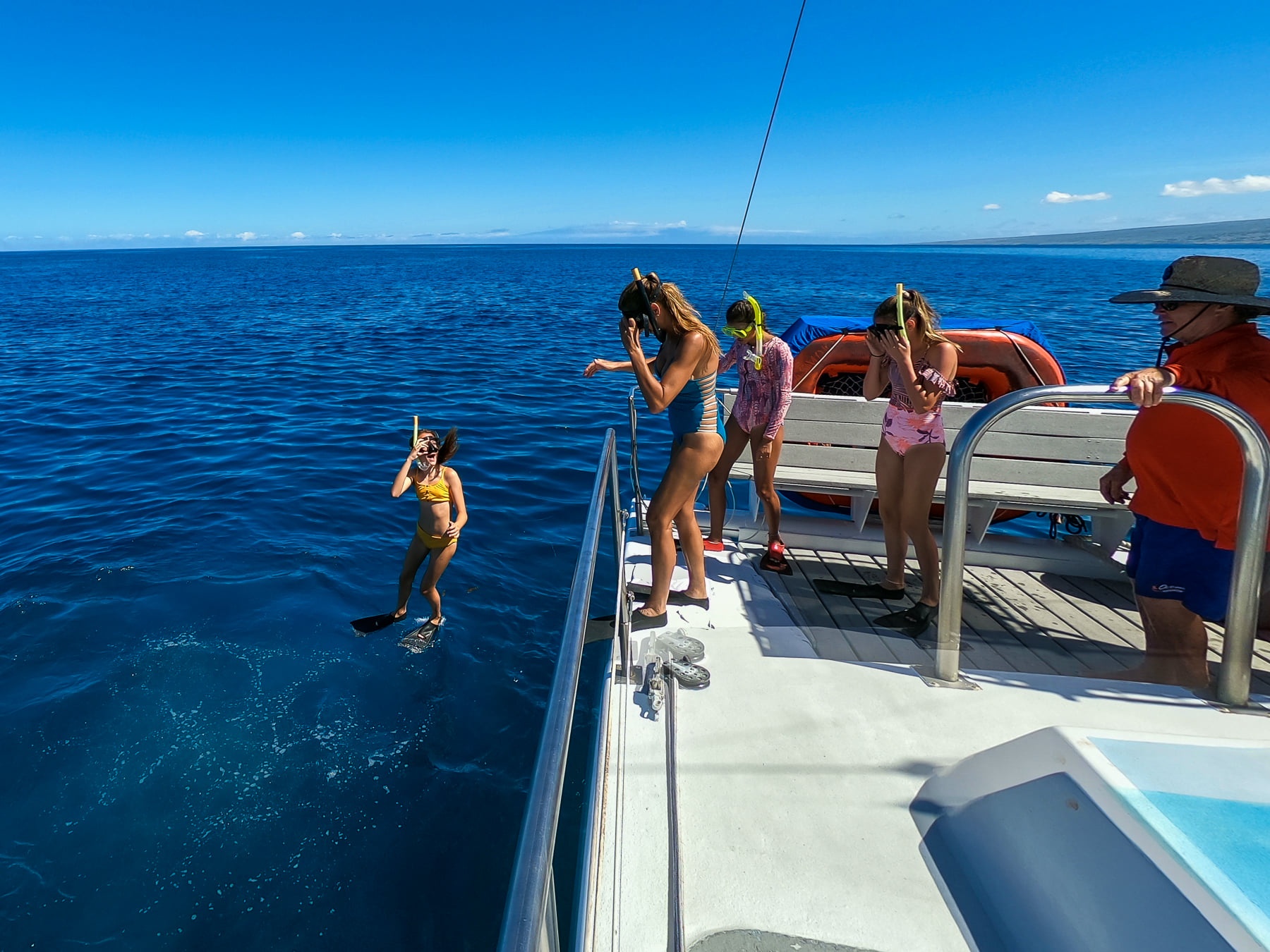
Top Snorkel Spots in Kapaau, Hawaii
Kapaau sits at the edge of a coastline that folds into lava-formed bays, tidepools, and fringing reefs—an intimate place to slip a mask on and meet Hawai‘i’s refracted world. Sheltered coves offer calm water dives for beginners while rocky points and offshore bommies deliver encounters with reef fish, sea turtles, and a changing coral palette. This guide zeroes in on snorkeling from shore and short boat hops near Kapaau, with practical route notes, seasonal considerations, and safety guidance so you can plan a confident day in the water.
Top Snorkel Trips in Kapaau
25 trips • Book with confidence • Instant confirmation
Why Kapaau Is a Standout Snorkeling Destination
A short drive from rolling cattle pastures and the postcard-perfect lookout at Pololū Valley, Kapaau’s coastline is quietly generous. Lava flows from ancient eruptions sculpted the shore into a mosaic of lava rock benches, protected embayments, and finger reefs that shelter pockets of coral and congregation points for reef fish. The result is a snorkeling playground that rewards curiosity: shallow gardens where you can stand and scan the bottom for green sea turtles and surgeonfish; deeper channels where schools of goatfish and butterflyfish circle the bommies; and rocky outcrops that call to more adventurous swimmers with freer water and the possibility of larger visitors.
This place is intimate rather than monumental. Unlike the wide white-sand beaches farther south that spread crowds across their shores, Kapaau’s snorkeling tends to feel like a private discovery—half the joy here is finding the right cove at the right tide. The marine life reflects the varied seafloor: in sheltered coves, branching and encrusting corals form neighbors to abundant reef life; in more open water, current-swept ridgelines gather cleaner water and different species assemblages. Seasonal shifts—calmer seas in late spring and summer, occasional winter swell—alter the experience: glassy mornings let you peer across bright coral gardens while rougher days concentrate life along sheltered reef faces.
Cultural context threads through the landscape. The same coastal features that make for fine snorkeling also shaped traditional Hawaiian fishing and shoreline use. Respect for the reef and awareness of local stewardship is part of the experience: many small bays are community-tended, and behavior that protects the reef—watching where you kick, not standing on coral, and avoiding anchoring on reefs—helps preserve what makes Kapaau special. Complementary activities—coastal hikes to sea cliffs, stand-up paddle in a calm bay, or a short sport-fishing trip to deeper water—pair naturally with snorkel days, turning a single outing into a broader marine immersion. Whether you come for a gentle intro to Hawaiian reef life or as a practiced snorkeler looking to catalogue species and currents, Kapaau provides an accessible base for meaningful time in the water.
Sheltered lava coves and pocket beaches create predictable, beginner-friendly snorkel spots close to shore.
Short swims bring you into productive reef zones where turtles, tangs, and multicolored wrasse are reliably seen.
Tidal timing matters: low-to-mid tide typically reveals the best shallow gardens; avoid outgoing currents at exposed points.
Kapaau’s snorkel sites pair well with coastal hikes, shoreline photography, and local cultural sites for half-day itineraries.
Best Time to Visit
Best Months
Weather Notes
Calmer seas and the clearest water tend to occur late spring through early fall. Winter months bring larger north and northwest swells that can close exposed sites; localized weather and trade winds influence daily conditions.
Peak Season
Summer months see the highest local visitation for snorkeling and beach activities.
Off-Season Opportunities
Winter brings dynamic surf and opportunities for coastal birding, fishing, and dramatic seascape photography; sheltered coves can still be swimmable on many winter days.
Frequently Asked Questions
Do I need a permit to snorkel near Kapaau?
Most shore-based snorkeling does not require a permit, but rules vary by site—check signage and local marine protected area regulations before entering. Commercial boat operations will have their own permitting.
Are there guided snorkel trips locally?
Guided trips and small boat charters operate from nearby harbors; guided options are useful for reaching offshore reefs, learning local ecology, and for added safety in more exposed water.
How do I choose the right entry point?
Pick a site that matches your comfort: gentle sandy or lava bench entries for beginners, sheltered coves for intermediate swimmers, and only attempt rockier point entries in calm conditions with good footwear.
Choose Your Experience Level
Beginner
Short, shallow swims in protected coves with minimal current—ideal for families and first-time snorkelers.
- Protected bay snorkel with shallow coral gardens
- Tidepool exploration at low tide
- Guided shore-based intro with flotation support
Intermediate
Longer swims to offshore bommies, small drift sections, and moderate-visibility sessions that require comfortable surface swimming and tide awareness.
- Half-day snorkel to fringing reefs with mild current
- Combination paddle-and-snorkel in a calm bay
- Snorkel plus coastal hike to multiple coves
Advanced
Exposed point entries, boat-accessed reefs, and snorkeling in more variable conditions requiring strong swim skills, current-reading ability, and self-rescue confidence.
- Boat hop to offshore reef pinnacles
- Long drift snorkel along reef edges during calm windows
- Early-morning multi-site reconnaissance with navigation between coves
Insider Tips & Local Knowledge
Respect local customs, reef health, and changing sea conditions. Always verify access and closures before you go.
Start early—mornings often bring the best glassy water and fewer wind-driven currents. Check tide charts; low-to-mid tides expose more coral gardens for shallow snorkeling while high tides can improve access to submerged bommies but may also increase surge at rocky entries. Wear reef-safe sunscreen and avoid touching or standing on coral: even light contact damages slow-growing colonies. If you hire a guide or charter, ask about leave-no-trace practices and where boats anchor to minimize reef impact. Combine a snorkel morning with a shoreline hike to Pololū or a visit to local food trucks to support community businesses. For photography, bring a floating strap and a scrub brush for goggles: a clear mask makes all the difference. If conditions look marginal—strong wind, white water on the reef, or heavy surge—opt for a different day or a more sheltered site. Finally, treat every encounter—especially with turtles—as a view-only experience: observe from a respectful distance and let wildlife lead the interaction.
What to Bring
Essential
- Mask, snorkel, and fins (well-fitting mask reduces fog and leaks)
- Rashguard or wetskin for sun and abrasion protection
- Reef-safe sunscreen and a wide-brimmed hat for surface time
- Water shoes for rocky entries and exits
- Hydration and light snacks
Recommended
- Floatation vest or snorkel vest for longer swims or beginners
- Thin gloves for warmth or rock scrambles (not for touching reef)
- Waterproof camera or action-cam with floating strap
- Small dry bag for keys and phone between swims
Optional
- Mask defog solution or baby shampoo
- Reef identification guide or waterproof species checklist
- Compact first-aid kit with sting relief
Ready for Your Snorkel Adventure?
Browse 25 verified trips in Kapaau with instant booking
Explore Top 15 Kapaau, Hawaii Adventures →