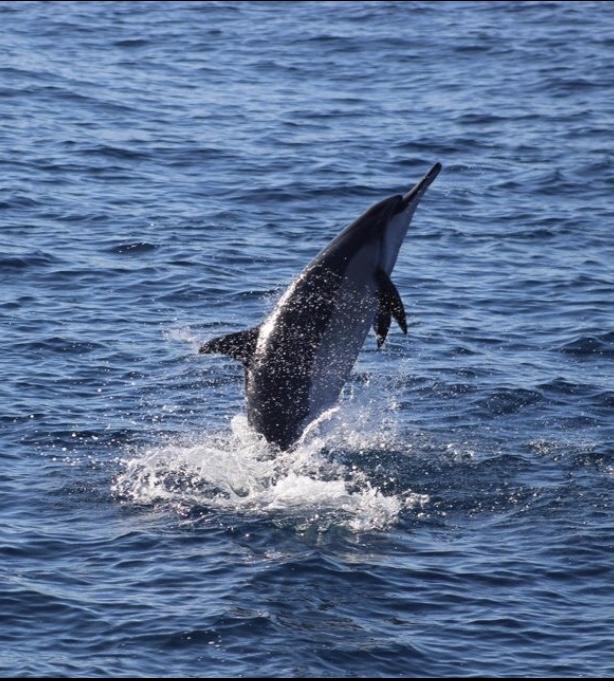
Dolphin Encounters Around Kapaau, Hawaii

Kapaau, Hawaii

From early-morning glassy seas to late-afternoon light slanting over volcanic ridgelines, Kapaau’s coastal waters offer some of the Big Island’s most evocative dolphin-watching opportunities. Whether you’re scanning for bow-riding pods from a small boat, drifting quietly on a guided snorkel, or photographing spinning dolphins offshore, this guide focuses on planning, timing, and responsible practices for meaningful encounters with Hawaii’s wild dolphins.

7
Activities
Year-Round (peak Nov–Apr)
Best Months

Top Dolphin Trips in Kapaau

7 trips • Book with confidence • Instant confirmation

Why Kapaau Is a Standout Dolphin Destination

Kapaau sits on the northern edge of the Big Island, where a stitched seam of lava rock and reef gives way to steep coastal gulches and sudden, deep water. Those abrupt drops—where the shoreline falls sharply into offshore channels—create the kind of mixed habitat dolphins favor: shallow bays for resting and nearshore channels where prey congregates. For travelers who come with binoculars, echoing sonar clicks, or a camera and a quiet curiosity, a day on the water here can feel like a private act of discovery.

What makes Kapaau distinctive is the meeting of scale and intimacy. The seas off the Kohala coast are large and Pacific-open, so sightings often include fast-moving pelagic species and energetic pods that will ride a bow wave or break into framing acrobatics. At the same time, many sheltered coves and stretches of reef provide calmer, more intimate conditions for guided snorkeling or observation from a kayak. That variety invites a mix of trip styles: early-morning zodiac runs that chase bow-riding spinner and bottlenose dolphins, slow guided snorkel floats where photographers wait for an underwater silhouette to pass, and family-friendly coastal cruises that pair storytelling—about kanaka maoli (Native Hawaiian) relationships to the sea—with wildlife viewing.

Culturally, the ocean around Kapaau is tied to local histories of fishing, navigation, and seasonal resource use. Dolphins appear in Hawaiian chants and oral histories as both companions of the sea and symbols of agility. Modern-day guides often weave that respect into trips, emphasizing stewardship as part of the visitor experience. For travelers attuned to conservation, Kapaau provides an educative frame: you’re not only watching animals, you’re also practicing how to watch them without disturbing patterns that matter for feeding, resting, and raising young.

Practically, timing matters. Calm mornings reduce engine noise and surface chop, improving sightlines and increasing the chances of encounters. Weather and swell can change quickly, so local operators emphasize flexibility. For photographers and snorkelers, light direction and water clarity are as important as the presence of dolphins—clear winter mornings often offer the most reliable visibility. Finally, the best experiences balance expectation and restraint: leave room in your itinerary for short, high-quality windows on the water rather than banking an entire trip on a single long outing. This approach respects both the animals and your travel time, and results in encounters that feel like gifts rather than guarantees.

Guided operators around North Kohala often couple dolphin watching with other nearshore activities—snorkel stops, coastal birding, or cultural narrations—so you can combine wildlife viewing with a sense of place without extra travel time.

Dolphin behavior can be unpredictable. Look for surface activity—porpoising, bow-riding, spinning—and be prepared to shift plans if the pod moves offshore or deeper along the coast.

Activity focus: Dolphin watching, guided snorkel, and small-boat wildlife tours
Common species: spinner and bottlenose dolphins are frequently observed
Typical trip lengths: half-day to full-day outings (operator-dependent)
Best combined activities: snorkeling, coastal hikes, birding, and reef ecology tours
Responsible travel note: observe local marine-mammal approach guidelines and use reef-safe sun protection

Best Time to Visit

Best Months

NovemberDecemberJanuaryFebruaryMarchApril

Weather Notes

Mornings are typically calmer and clearer for spotting and photography; afternoons can pick up sea breeze and localized showers. Winter months tend to produce more stable light and clearer offshore visibility, though dolphins are present year-round.

Peak Season

Late fall through spring (roughly November–April) is often busiest for wildlife tours and coastal visitors.

Off-Season Opportunities

Summer months can be quieter on land and on the water, offering a more private experience though afternoon trade winds may create choppier conditions.

Frequently Asked Questions

Do I need a permit to observe dolphins off Kapaau?

Most recreational wildlife-viewing trips are covered by operator permits rather than individual visitor permits. Check with licensed tour providers about regulations and any state conservation advisories before you go.

Can I swim with wild dolphins?

Operators and local guidelines recommend observing dolphins from a respectful distance and avoiding any actions that alter their behavior. Many tours include controlled snorkel opportunities in areas known to be safe for people and wildlife—always follow the guide’s instructions.

What if I get seasick during a dolphin tour?

Book with operators who offer sheltered-craft options if you’re prone to motion sickness. Bring preventive remedies and choose early-morning departures when conditions are usually calmer.

Choose Your Experience Level

Beginner

Short coastal cruises and family-friendly boat trips designed for first-time wildlife watchers—minimal physical demand and guided interpretation.

  • Half-day dolphin and snorkel cruise
  • Shore-based spotting from coastal lookout points
  • Kayak trips in calm bays with guide support

Intermediate

Guided small-boat excursions with longer offshore legs or combined snorkel experiences; requires basic comfort on open water and the ability to board smaller crafts.

  • Small-zodiac dolphin chase and photo cruise
  • Guided snorkel followed by interpretive coastal transit
  • Combination wildlife-and-cultural coastal tours

Advanced

Multi-hour, offshore-focused trips that may travel farther along the island’s coastline; best for experienced sea travelers and photographers seeking extended observation windows.

  • Full-day pelagic outing with extended observation effort
  • Photography-focused charters for action and undersea shots
  • Custom research-style tours with behavioral briefing

Insider Tips & Local Knowledge

Respect marine life, local customs, and the sea—plan flexibly, travel lightly, and prioritize operators that practice responsible viewing.

Book morning departures for the calmest seas and best light. Ask operators about their approach-distance policies and whether they participate in local conservation or citizen-science efforts. Bring reef-safe sunscreen and apply it before arrival; many operators will ask you to reapply on board with eco-friendly products. If you want to photograph dolphins, use a fast shutter speed and be ready—the moments are often brief. Finally, pair a dolphin trip with a short coastal hike or a visit to a local cultural site in Kapaau to round out your day with on-land perspective and context.

What to Bring

Essential

  • Light, quick-dry layers and a windproof shell for open-boat conditions
  • Water, reef-safe sunscreen applied before arrival, and a wide-brimmed hat
  • Seasickness prevention if you’re prone (ginger, acupressure bands, or medication)
  • Binoculars for distant sightings and a waterproof phone case or dry bag
  • Photographic gear with a fast-shutter lens for action shots (if photographing)

Recommended

  • Mask/snorkel and reef shoes if you plan to join a snorkel stop
  • Polarized sunglasses for spotting surfacing dolphins and reducing glare
  • Reusable water bottle and small snacks for multi-hour trips
  • Light camera tripod or stabilizer for video from small crafts

Optional

  • Underwater camera or GoPro for clear-water encounters (when allowed by operator)
  • Field guide to Hawaiian marine life for quick identifications
  • Notebook for jotting behavioral observations or guide commentary

Ready for Your Dolphin Adventure?

Browse 7 verified trips in Kapaau with instant booking

Explore Top 15 Kapaau, Hawaii Adventures →