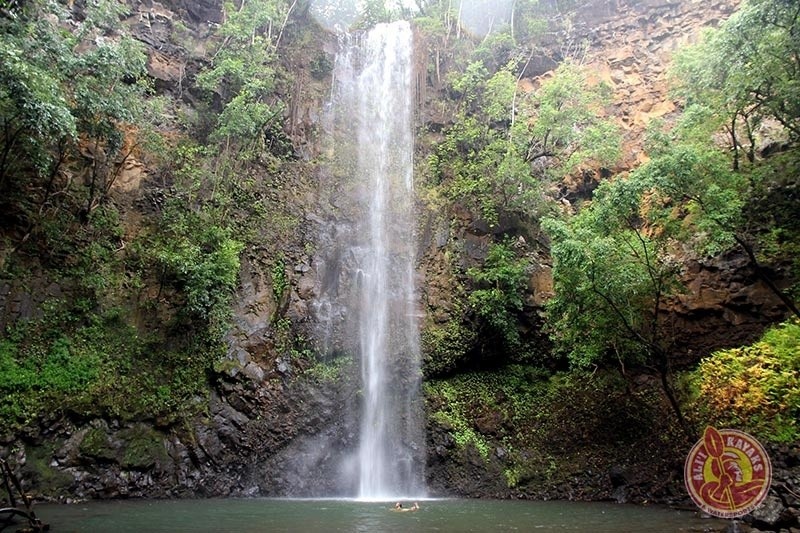
Top 12 Hiking Adventures in Kapaa, Hawaii
Kapaa is the east-side pulse of Kauai: a humid ribbon of coastal path, verdant valleys, and the squat silhouette of Nounou Mountain. Hikes here are compact, lush, and varied—paved seaside strolls for dawn light, rainforest singletracks into river canyons, and a classic summit loop that rewards short effort with sweeping views of the island's eastern flank.
Top Hiking Trips in Kapaa
12 trips • Book with confidence • Instant confirmation
Why Kapaa Is a Standout Hiking Destination
Kapaa’s hiking identity is quiet, verdant, and immediate: trails begin within town limits, climb through old-growth Hawaiian forest, or slip along the ocean where surf and wind sculpt the air. Here the island’s geology and rain patterns conspire to create a mosaic of microclimates—coastal scrub and banyan-lined shorefronts, wet gulches dripping with ferns, and the steeper, drier slopes of volcanic ridge—so a single morning can deliver pungent salt spray, the sudden chorus of rainforest amphibians, and a wind-swept summit panorama. The Sleeping Giant (Nounou) trails are Kapaa’s calling card: a pair of well-worn routes that thread through orchards, native shrub, and kiawe, and end at viewpoints that feel disproportionate to the short climb. For travelers who want accessible adventure, the Ke Ala Hele Makalae coastal path is an ideal sunrise option—paved, scenic, and sociable—while the Wailua River Valley opens into a softer, more secretive side of the landscape where paddle-and-hike combos lead to the jungle-hidden Uluwehi (Secret) Falls.
Hiking in Kapaa carries cultural texture: trails often skirt old ahupuaʻa boundaries, pass through loʻi kalo (taro terraces), and offer perspectives on the way water and people shaped the land. Local guides and signage increasingly incorporate Hawaiian place names and stories, and even short walks can feel like a lesson in island ecology—how trade winds feed mountains with cloud moisture, how lava-derived soils support a tangle of introduced and native species, and how resilient understories regenerate after storms. Because Kapaa occupies the wetter, windward side of Kauai, trails can flip from dusty to muddy after a single squall; creeks swell quickly and roots grow slick. That immediacy is part of the appeal: hikes that demand attention deliver rich rewards—orchids and ferns in bloom, sudden ocean vistas through fern-framed openings, and the sense that you’ve stepped into a living, changing system.
For practical travelers, Kapaa is a perfect base for mixing activities. A morning hike up Nounou pairs naturally with an afternoon kayak on the Wailua River or a mellow surf lesson at a nearby beach break; photographers favor dawn on the coastal path, while birders find early mornings richest along riparian edges. The hiking here leans toward day trips rather than long backcountry expeditions, which makes Kapaa friendly for families and for travelers who want concentrated, memorable outdoor time without deep logistical planning. Still, respect for weather windows and respect for private land are essential: some inviting tracks approach agricultural parcels and elders’ homesteads; always follow posted access guidance and local courtesy. In short, Kapaa condenses Kauai’s larger wildness into approachable, sensory-rich hikes—compact experiences with the island’s rainforests, rivers, and sea stacked like panels in a continually evolving landscape.
Short, accessible trails sit alongside more secluded singletrack and river hikes—Kapaa is an excellent place to combine quick sunrise walks with half-day rainforest explorations.
Weather defines the day: quick tropical showers can transform muddy trails and creek levels, so adaptability in planning and gear is essential.
Best Time to Visit
Best Months
Weather Notes
Kapaa is on Kauai’s windward side and receives more consistent rainfall than the south shore. Late spring and early fall typically offer the most stable weather for hiking—warm days with fewer prolonged downpours. November through March brings higher rain probability and occasional wind-driven storms; trails may be muddy and some stream crossings more hazardous.
Peak Season
December–March (winter holidays) and June–August (summer vacation) are the busiest periods for beaches and coastal paths.
Off-Season Opportunities
Late fall and winter can be quieter on weekdays; expect wetter conditions but fewer crowds. Mornings after storms often reveal dramatic waterfalls and refreshed jungle colorings.
Frequently Asked Questions
Do I need permits for most hikes around Kapaa?
Most day hikes in Kapaa (Sleeping Giant trails, coastal path) do not require permits. Certain inland reserves or guided-access waterfalls may have special access rules—always check local signage and confirm with official state or county resources before visiting.
Are trails suitable for families and casual hikers?
Yes. Many paths, including the Ke Ala Hele Makalae coastal path and the easier Sleeping Giant access route, are family-friendly. Choose shorter loops and start early to avoid heat and busy parking.
What are common trail hazards to watch for?
Quick, intense tropical downpours that create muddy, slick roots and rising creek crossings; narrow singletrack sections; and limited shade on some exposed ridge stretches. Wear grippy shoes and carry a rain layer.
Choose Your Experience Level
Beginner
Short paved walks, low-elevation coastal paths, and short, well-marked loops with modest elevation gain—good for families and hikers new to tropical trails.
- Ke Ala Hele Makalae (Kapaa Coastal Path) sunrise walk
- Opaekaa Falls viewpoint stroll and short loop
- Easy riverside nature walk near Wailua
Intermediate
Steeper singletrack, uneven rainforest terrain, and half-day outings that may include stream crossings or muddy sections.
- Sleeping Giant (Nounou) East or West Loop to summit viewpoints
- Hike-and-paddle combo on Wailua River to Secret Falls (requires planning or guide)
- Ridge and valley loop in the Wailua Forest Reserve
Advanced
Longer, wet-weather-dependent routes and route-finding through remote valley spurs; these often require strong fitness, navigation skills, and contingency planning.
- Full Nounou traverse plus adjacent ridge explorations
- Crossing into interior trail systems for multi-hour rainforest traverses (check access rules)
- Combining hiking and sea-kayaking for remote coastline approaches
Insider Tips & Local Knowledge
Always verify trail access, closures, weather alerts, and private-property boundaries before heading out. Respect Hawaiian place names and local land stewardship practices.
Start hikes early—sunrise yields calmer winds, cooler temperatures, and dramatic coastal light. Pack a lightweight rain shell even if morning looks clear; squalls roll in quickly from the ocean. Parking at popular trailheads like Sleeping Giant fills before mid-morning on weekends—arrive early or plan a weekday visit for solitude. On wet days, avoid river crossings with high flows and watch for slick roots. If combining hiking with river paddles or waterfall visits, consider hiring a local guide: they provide safe access, historical context, and minimize impact on fragile sites. Finally, leave no trace: Kapaa’s trails thread near cultivated lands and cultural sites—stay on paths and pack out waste. Small courtesies (closing gates, avoiding trespass) go a long way with residents and land stewards.
What to Bring
Essential
- 1–2 liters of water (more in heat) and electrolyte snacks
- Sturdy trail shoes with good tread
- Lightweight rain shell
- Sun protection (reef-safe sunscreen, hat) and sunglasses
- Phone with offline map or paper map
Recommended
- Trekking poles for muddy descents and uneven roots
- Insect repellent (tropical mosquitoes can be active)
- Small first-aid kit and blister care
- Quick-dry clothing and a pack cover
Optional
- Lightweight water shoes or sandals for stream crossings
- Binoculars for coastal birds and valley vistas
- Compact camera with weather protection
Ready for Your Hiking Adventure?
Browse 12 verified trips in Kapaa with instant booking
Explore Top 15 Kapaa, Hawaii Adventures →