Top 12 Hiking Adventures in Kapa‘a, Hawaii
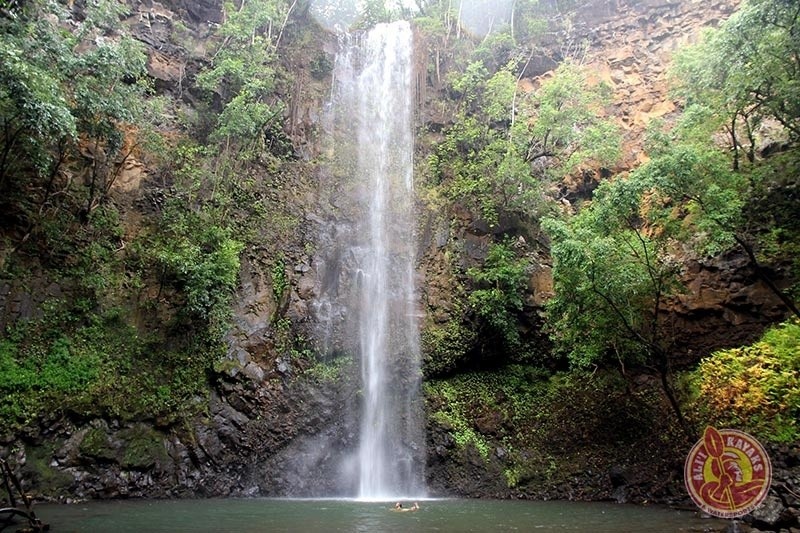
Kapa‘a is the east-shore portal to Kauai’s humid coasts, ferned ridgelines, and river-fed valleys. Hiking here ranges from effortless coastal promenades to steep, muddy ridge trails that reveal the island’s lush interior. This guide focuses on trail experiences within easy reach of Kapa‘a—coastal paths, rainforest ridgelines, river hikes, and the cultural edges that make each step feel rooted in place.
Top Hiking Trips in Kapa‘a
12 trips • Book with confidence • Instant confirmation
Why Kapa‘a Is a Standout Hiking Destination
The hiking around Kapa‘a reads like a study in contrasts: a paved coastal ribbon where ocean wind and trade-swell glimpses dominate, then, a short drive inland, the terrain folds upward into tight, verdant ridges threaded with roots and creeks. Stand on the Ke Ala Hele Makalae and the Pacific seems immediate—an endless line of waves, surfers, and palms—while an hour later a ridge walk through guava and ohia can feel remote enough to erase the town. That compressed diversity is the island’s gift. Trails come in short, brilliant bursts—sunrise walks, waterfall approaches, and half-day ridge scrambles—rather than long continental traverses. For travelers who prize sensory intensity over distance, Kapa‘a offers big impressions in manageable packages.
Hawaiian culture is never far from the boots. The Wailua River and surrounding valleys have been centers of habitation and ceremony for generations; many trails pass by wahi pana (storied places) and cultivated taro patches, and hikers often encounter informal signs of stewardship and cultural reminders. That makes hiking here as much about listening—watching the cadence of rain on leaves, noting the shift from seaside scrub to fern-thick understory, and respecting land that is both lived-in and reverent.
Practically, Kapa‘a is an ideal base: it has food, fuel, and the kinds of services that make daytrips easy, which keeps most hiking itineraries compact. That accessibility invites a range of visitors—families on easy coastal strolls, photographers chasing waterfalls, and experienced hikers testing muddy ridge routes. The island’s microclimates mean you can experience sun and downpour in the same morning; most trails are forgiving in distance but can be demanding in footing after rain. Navigation is typically straightforward—marked trailheads and popular coastal paths—yet cell service can be spotty in the interior, so a downloaded map and a clear turnaround plan are smart. Leave No Trace matters here more than ever: fragile ecosystems, private properties abutting public paths, and cultural sites benefit from careful hikers who pack out what they pack in and stay on designated routes.
Finally, seasonality shapes the feel of each outing. The east shore is among Kauai’s wetter faces; bright, bone-dry days exist, but sudden, localized storms are common and can churn streams into hazardous crossings. Visiting with a flexible schedule—ready to swap a rain-swollen ridge for a sunrise coastal walk—lets hikers make the most of Kapa‘a’s layered landscapes while staying safe and respectful.
The variety is compact: from wheelchair-accessible coastal paths and short beach-access trails to forested ridgelines that demand good traction and steady footing.
Frequent, localized rainfall creates dramatic waterfalls and lush trails but also leads to muddy, root-strewn conditions and intermittent stream crossings; check conditions and be prepared to alter plans.
Best Time to Visit
Best Months
Weather Notes
Kapa‘a’s east shore is prone to frequent, localized showers—especially November through March. Trade winds can moderate temperatures but create cooling ocean breezes. Afternoon showers are common year-round; interior trails become muddy after heavy rain.
Peak Season
Winter holiday window and summer months draw the most visitors; weekends are busiest for coastal paths and popular waterfall approaches.
Off-Season Opportunities
Spring and fall shoulder months often offer quieter trails and a balance of stable weather and lower accommodation demand.
Frequently Asked Questions
Do I need permits for most hikes?
Most day hikes and coastal paths near Kapa‘a do not require permits. Some state park areas or overnight backcountry routes elsewhere on Kauai have restrictions—check state park sites for specific permit rules before planning remote or multi-day trips.
Are trails suitable for beginners?
Yes—Kapa‘a offers several easy, scenic options such as the coastal path and short beach-access trails. Intermediate routes require more fitness and attention to footing, while some ridge hikes are best left to experienced hikers or guided groups.
How should I approach river or waterfall hikes?
Stream levels can rise quickly after rain. Only attempt river crossings when flows are low and safe; when in doubt, wait or choose an alternate trail. Using a local guide for lesser-known waterfall approaches is a good way to reduce risk.
Choose Your Experience Level
Beginner
Flat, well-maintained coastal paths, short shoreline walks, and easy beach-access trails perfect for families and casual walkers.
- Ke Ala Hele Makalae coastal walk
- Short beach access strolls near town
- Easy sunrise/sunset promenade
Intermediate
Trails with sustained elevation gain, rooty or rocky footing, and sections that may be muddy after rain. These routes reward persistence with river views and valley panoramas.
- Nounou (Sleeping Giant) ridge hike
- Kuilau Ridge forest walk
- Kayak plus short hike to inland waterfalls
Advanced
Technical ridgelines, long wet routes, and backcountry approaches that require strong footing, navigation skills, and careful weather planning. Expect steep, slippery descents and limited cell service.
- Long ridge scrambles into interior valleys
- Full wet-weather traverses that include stream crossings
- Remote route planning with overnight gear (outside Kapa‘a town trails)
Insider Tips & Local Knowledge
Verify current trail access and weather conditions before you go; respect private property and cultural sites.
Start early to enjoy the cooler morning air, calmer ocean, and quieter trails. Bring a lightweight rain layer even on sunny mornings—east-shore showers can appear fast and heavy. If a trail looks treacherous after recent rains (slick roots, swollen streams), swap to the coastal path or plan a beach day instead—the views are no less rewarding. Consider combining a short hike with a Wailua River paddle or a guided cultural walk to add context to the landscape. Finally, pack out everything you bring in: Kapa‘a’s trails pass close to small communities and fragile ecosystems that benefit from low-impact visitation.
What to Bring
Essential
- Sturdy trail shoes with good tread
- 2–3 liters of water (day hikes) and electrolyte snacks
- Light rain jacket and quick-dry layers
- Sun protection and reef-safe sunscreen
- Map or downloaded offline trail map (cell service can be limited)
Recommended
- Trekking poles for muddy or steep sections
- Water shoes or sandals for river approaches and waterfall access
- Small first-aid kit and blister supplies
- Insect repellent and a microfiber towel for damp hikes
Optional
- Compact binoculars for seabirds and shoreline vistas
- Lightweight packable umbrella or poncho
- Reusable bag for packing out waste or storing wet gear
Ready for Your Hiking Adventure?
Browse 12 verified trips in Kapa‘a with instant booking
Explore Top 15 Kapa‘a, Hawaii Adventures →