Walking Tours in Kapaʻa, Hawaii: Coastal Strolls, Cultural Walks & Town Trails
Kapaʻa's walking tours compress Kauaʻi's signature contrasts into short distances: a breezy paved coastal path, shady town streets that remember the plantation era, and seaside neighborhoods where palms and surf cadence the day. These guided and self-guided strolls are a low-barrier way to read the island—its geology, history, and living community—step by step.
Top Walking Tour Trips in Kapaʻa
9 trips • Book with confidence • Instant confirmation
Why Kapaʻa Shines for Walking Tours
Kapaʻa is a walking town in the most literal sense: its heart is a ribbon of pedestrian-friendly places where ocean, history, and daily island life intersect. Begin on Ke Ala Hele Makalae, the paved coastal path that threads past reef flats and shoreline parks, and you’ll understand why walking here feels effortless—each step delivers a new frame of surf, coconut grove, historic marker, or local vendor. The route’s gentle grade, frequent benches, and sightlines to Kahili Mountain make it ideal for easy self-guided loops and sunrise ambles.
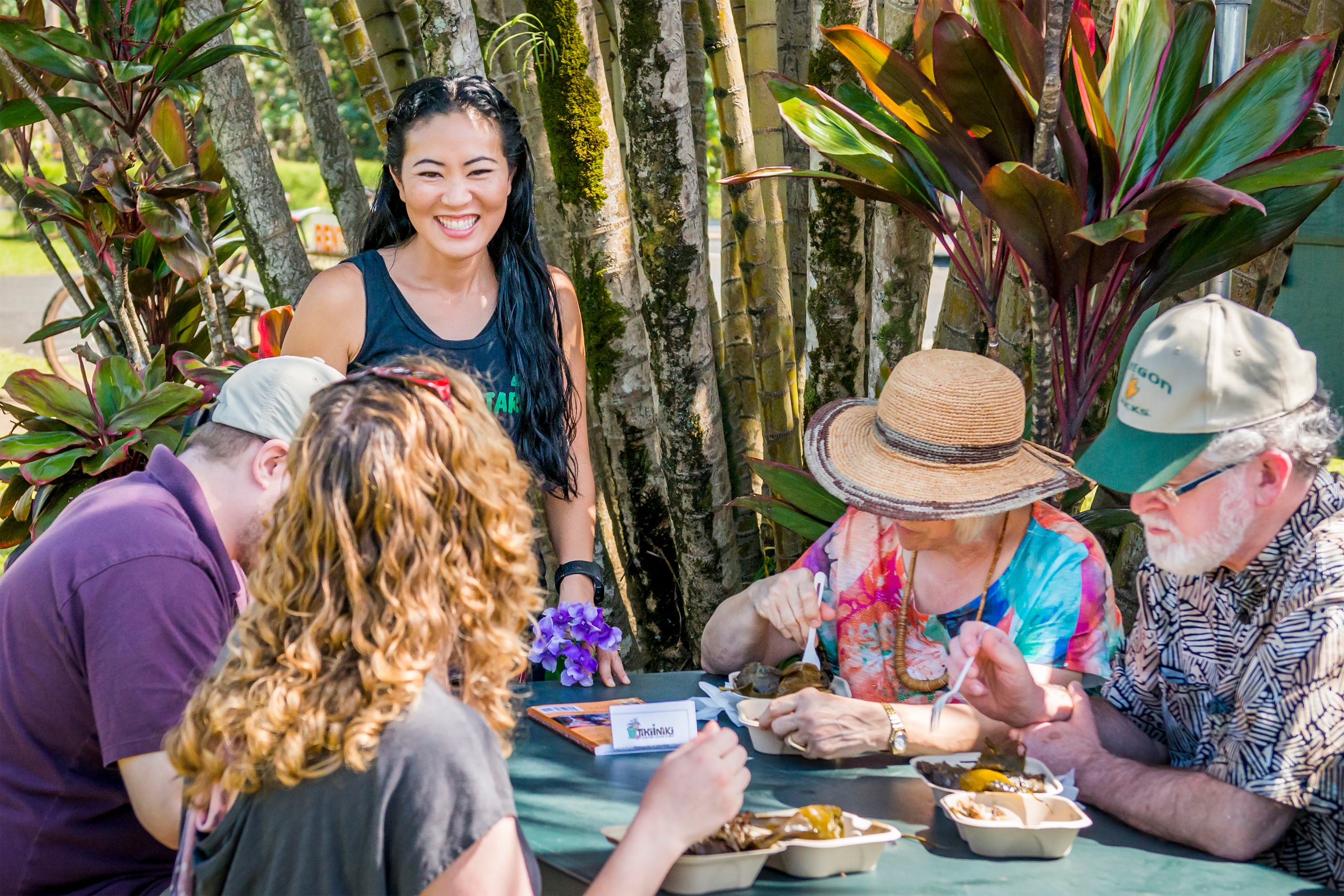
But the character of Kapaʻa extends inland. The town’s main drag preserves a mix of plantation-era storefronts, surf shops, and cafes where locals buy poke and swap weather notes. Walking tours that weave through these streets are less about distance and more about context: sugar-era architecture, Hawaiian cultural touchstones, and a living hospitality scene that’s often animated by farmers markets and weekend music. Even short neighborhood walks can deliver substantive encounters—kapa cloth demonstrations, food trucks cooking with local fish, and murals that trace the island’s stories.
Practicality is part of Kapaʻa’s appeal. Many walks are accessible from centralized parking or public transit stops, and routes can be layered with other activities—rent a bike for a longer section of Ke Ala Hele Makalae, time a stroll around low tide for easier reef viewing, or combine a town walk with a half-day paddling trip on the Wailua River. Seasonality is gentle: trade winds and passing showers are part of the rhythm, so lightweight rain gear and sun protection keep even quick walks comfortable. For visitors who want deeper immersion, guided cultural walks and interpretive tours add historical and ecological perspective, connecting placenames, native species, and land stewardship conversations to what you see underfoot.
Walking in Kapaʻa isn’t about mountain endurance; it’s about attunement. The terrain is predominantly paved coastal path and flat town grid, but surfaces can be sandy or slick after rain, and shade is intermittent. That makes these tours broadly accessible—from families and casual travelers to solo explorers and seasoned walkers seeking a relaxed day with plenty of local flavor. Read the tide, bring reef-safe sunscreen, and leave time to linger at a seaside bench. Kapaʻa rewards slow travel: its best discoveries arrive when you’re moving at walking speed.
Walks around Kapaʻa pair well with adjacent outdoor activities: low-key cycling along the coast, stand-up paddleboarding on the calmer Wailua estuary, and snorkeling at nearby protected coves. Each complements a walking tour by shifting perspective—waterborne paddling shows reefs you’ll pass onshore, while bike rides extend the distance you can cover in a single outing.
Respect for place is central to local experiences. Simple courtesies—staying on the path, honoring private property, asking before photographing people or cultural practices—keeps walking routes welcoming. Many tours include short interpretive stops highlighting native plants, place names, and historic anecdotes that reveal layers of Kapaʻa beyond its beaches.
Best Time to Visit
Best Months
Weather Notes
Kapaʻa has a tropical climate with warm temperatures year-round. Trade winds moderate heat but can bring onshore showers—brief, heavy rain is common in winter months. Mornings and late afternoons are the most comfortable times for walking; midday sun can be strong.
Peak Season
Winter holidays and summer vacation months typically bring the highest visitor numbers and busier town streets.
Off-Season Opportunities
Shoulder months and weekday mornings offer quieter paths and easier parking; expect a higher chance of heavy rain in late fall and winter, which can make surfaces slick.
Frequently Asked Questions
Do I need a permit to use Ke Ala Hele Makalae or walk town trails?
No general permit is required for public coastal paths and town sidewalks. Special guided experiences on private or protected land may have permits or booking requirements—check with tour operators.
Are walking tours in Kapaʻa family-friendly?
Yes. Many routes are flat and suitable for families, strollers, and older visitors. Choose shorter loops or guided town walks for younger children.
How should I time a coastal walk for the best shoreline views?
Low tide often reveals reef formations and tide pools that are hidden at high tide. Check local tide charts and plan early morning or late afternoon for golden light and calmer surf.
Choose Your Experience Level
Beginner
Short coastal strolls and town loops on paved or compacted surfaces with minimal elevation change.
- Ke Ala Hele Makalae seaside walk (short segment)
- Historic town stroll and market stop
- Sunrise bench-to-cafe loop
Intermediate
Longer coastal stretches or combined town-plus-beach routes that require several hours and comfortable pacing.
- Full seaside path traverse with beach detours
- Guided cultural walk with multiple interpretive stops
- Coastal walk timed with tidepool exploration
Advanced
Extended walking days that link multiple neighborhoods, coastal headlands, and neighboring parkland; may include unpaved or uneven terrain.
- All-day coastal and neighborhood exploration loop
- Self-guided multi-stop itinerary combining walking with short paddling segments
- Photography-focused shoreline survey at low tide
Insider Tips & Local Knowledge
Respect local place names and private property, watch tides when exploring shoreline features, and carry small bills for local vendors.
Start early to catch calm water and softer light—sunrise along the coastal path is quiet and cool. Check tide charts before exploring reef flats and tidepools; some features are only visible at low tide. If you plan to linger in town, seek out weekday morning markets for fresh fruit and fewer crowds. Combine a walking tour with a short bike rental to extend range without losing the intimacy of a stroll. Always use reef-safe sunscreen and avoid stepping on coral or disturbing wildlife. When in doubt, ask: local shop owners and guides are generous with route tips, shortcuts, and suggestions for the best local snacks to refuel on the route.
What to Bring
Essential
- Comfortable walking shoes with good grip
- Reusable water bottle (hydrate in shade stops)
- Sun protection: hat, sunglasses, reef-safe sunscreen
- Light rain shell for passing showers
- Smartphone with offline maps or a paper map
Recommended
- Small daypack for layers and purchases
- Binoculars for seabirds and shoreline life
- Portable charger for phone photos and maps
- Cash for markets and small vendors
Optional
- Swimwear and a quick-dry towel for impromptu dips
- Light trekking poles for added stability on slick surfaces
- Waterproof pouch for electronics
Ready for Your Walking Tour Adventure?
Browse 9 verified trips in Kapaʻa with instant booking
Explore Top 15 Kapaʻa, Hawaii Adventures →