Top 12 Hiking Adventures in Kapaʻa, Hawaii
Kapaʻa is the practical gateway to Kauaʻi’s east-shore trails: coastal promenades that trace reef-edged shoreline, green-ridged walks that climb into cloud-touched forest, and short, waterfall-adjacent loops that reveal the island’s layered hydrology and plantation past. This guide focuses on day hikes and accessible overnights reachable from Kapaʻa—trips that balance dramatic ocean vistas, rainforest intimacy, and quick proximity to town amenities.
Top Hiking Trips in Kapaʻa
12 trips • Book with confidence • Instant confirmation
Why Kapaʻa Is a Standout Hiking Destination
Kapaʻa sits at the meeting point of two moods: the restless Pacific surf and a humid, verdant inland that rises quickly into ridges and valleys. Walks that begin just blocks from town can finish with views across the reef to distant Niʻihau or drop you into a fern-draped gulch threaded with streams. For travelers who want the island’s natural drama without long drives, Kapaʻa is ideal—its trailheads are accessible, its routes are varied, and the scenery changes minute by minute depending on sun, wind, and rain.
The hiking character here is compact and elemental. On the coast you’ll find flat, exposed pathways and lava-rock shorelines where the land meets the sea in a constant choreography of swell and spray. Move inland and the trails grow narrower, carved along ridgelines and through secondary forest that remembers sugar-plantation eras in old walls and terraced loʻi (taro patches). Ridgeline trails like Kuilau and the Nounou (Sleeping Giant) routes rise gently but persistently, rewarding hikers with layered views of the Wailua River corridor and a sense of orientation on an island otherwise defined by steep, incised valleys.
Seasonality shapes experience as much as terrain here. Rain can be sudden and generous—converting a mellow creek crossing into a high, fast flow in hours—so the bright, dry mornings of spring and fall often deliver the clearest views and the driest footwork. When winter storms sweep the island, waterfalls thunder and remote trails can be dangerous; when trade winds blow in summer, coastal paths become beautiful but sun-exposed and thirst-inducing. In every season, the biodiversity is intimate: endemic birds and orchids appear at the trail edge, and the reef below is visible as a living mosaic of blue and green on clear days.
Culturally, hiking around Kapaʻa means moving through an active landscape shaped by native Hawaiian practices, plantation-era modifications, and modern conservation efforts. Respect for private property and for wahi pana (storied places) matters; many trails skirt working farms, cultural sites, and protected areas. Practical access is a strength of Kapaʻa—trailheads, parking, and post-hike food and gear are closer than on the island’s more remote coasts—but that accessibility comes with responsibility. Stick to marked routes, pack out what you bring in, and treat fragile coastal ecosystems and freshwater sources with care.
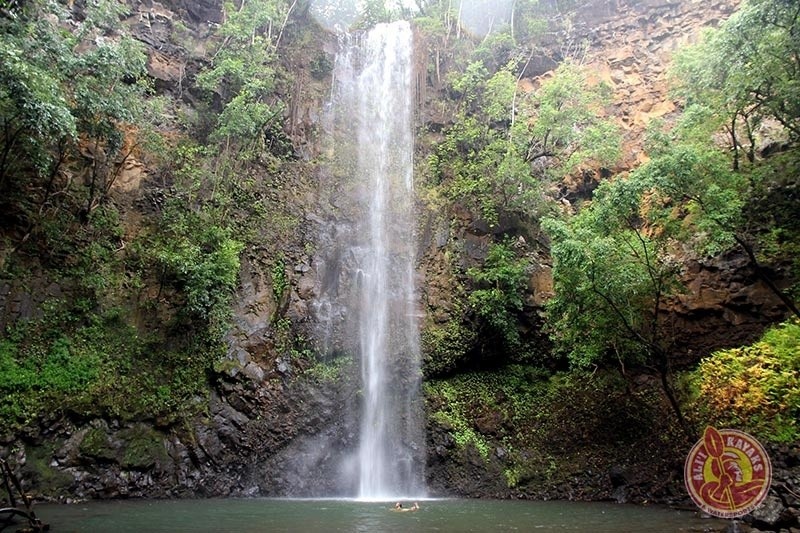
In short, Kapaʻa’s hiking identity is approachable but vivid: short enough for a morning outing yet scenic enough to feel like an island expedition. Whether you’re pacing a sunrise coastal walk, climbing into a green ridge for a lookout, or following a stream toward a hidden cascade, the trails here condense Kauaʻi’s scale into manageable, memorable moments.
Accessible variety is the draw: seaside promenades, ridgeline treks, and shaded gulch loops all sit within short drives of Kapaʻa’s center.
Weather shifts—quick tropical showers and shiftable trade winds—constantly rewrite trail conditions, making timing and gear essential considerations.
Best Time to Visit
Best Months
Weather Notes
Kauaʻi’s east shore sees frequent microclimates—clear, calm mornings can turn into wet afternoons. Winter months (roughly November–March) bring higher rain chances and larger surf; summer trade winds can make exposed coastal paths hot and breezy. Heavy rain can create flash floods; check local advisories before heading out.
Peak Season
Holiday periods and summer vacations increase visitation—expect busier trailheads on weekends and holidays.
Off-Season Opportunities
Late spring and early fall often offer quieter trails with good weather; winter delivers dramatic waterfalls but may close or restrict some routes after storms.
Frequently Asked Questions
Do I need permits for most hikes?
Most day hikes near Kapaʻa do not require permits. Certain high-demand routes on other parts of the island (for example the Kalalau Trail on the Nā Pali Coast) do require permits—confirm permit rules before attempting those longer, regulated trails.
Are trails suitable for families and beginners?
Yes—Kapaʻa’s coastal walks and shorter loops are beginner-friendly. Choose routes with minimal elevation gain and avoid remote ridges during wet weather if you are new to island hiking.
How early should I start popular hikes?
Start at first light on weekends and holidays to secure parking and enjoy cooler conditions. Midday on exposed coastal trails can be hot; afternoon storms are common in warmer months.
Choose Your Experience Level
Beginner
Flat to gently rolling coastal trails and short river or overlook walks that emphasize scenery over exertion.
- Kealia Coastal Trail (easy, ocean views)
- Short Wailua River viewpoint walks
- Neighborhood beach promenades near Kapaʻa
Intermediate
Moderate hikes with sustained elevation gain, uneven footing, and possible stream crossings—half-day efforts that reward with ridgeline or waterfall views.
- Nounou (Sleeping Giant) East or West trail (ridge viewpoints)
- Kuilau Ridge Trail (forest ridgeline)
- Wailua Loop sections connecting inland vistas
Advanced
Longer, exposed or remote routes that require navigation, endurance, and preparation for rapid weather changes; some routes on the island’s north and west coasts require permits and route planning.
- Multi-day Nā Pali Coast approaches (permit required for Kalalau Trail)
- Interior ridge traverses and wet-plateau hikes on Alakaʻi (subject to conditions)
Insider Tips & Local Knowledge
Always verify trail status with county or state park sources before you go—after heavy rain some trails and bridges can be unsafe.
Start hikes early for cooler conditions and to avoid parking congestion. Bring reef-safe sunscreen and respect freshwater sources—avoid contaminating streams and carry out any trash. On coastal paths watch for unstable cliff edges and high surf; never turn your back on the ocean. If a trailhead is on or adjacent to private property, park only in marked areas and follow posted rules. Consider short guided outings for unfamiliar or culturally sensitive areas; local guides add context about native plants, traditional place names, and safe route choices.
What to Bring
Essential
- Sturdy trail shoes or light hiking boots with good traction
- At least 1–2 liters of water and high-energy snacks
- Light waterproof jacket or shell
- Sun protection (reef-safe sunscreen, hat) and insect repellent
- Offline trail map or navigation app (cell service can be intermittent)
Recommended
- Trekking poles for muddy descents and stream crossings
- Small first-aid kit and blister care
- Dry bag for electronics and a lightweight towel
- Microspikes or traction devices during unusually wet or slick conditions
Optional
- Binoculars for seabirds and native forest species
- Compact camera or wide-angle lens for coastal vistas
- Reusable water bottle with filter for emergency filtration
Ready for Your Hiking Adventure?
Browse 12 verified trips in Kapaʻa with instant booking
Explore Top 15 Kapaʻa, Hawaii Adventures →