Top Water Activities in Kaneohe, Hawaii
Kaneohe's sheltered bay, translucent shallows, and reef-framed channels make it one of Oahu's premier spots for snorkeling, paddling, and easy boat excursions. This guide focuses on the water-based experiences that define the town—calm sandbar afternoons, reef drift swims, and paddle routes under verdant windward cliffs.
Top Water Activities Trips in Kaneohe
526 trips • Book with confidence • Instant confirmation
Why Kaneohe Is a Standout Water-Activity Destination
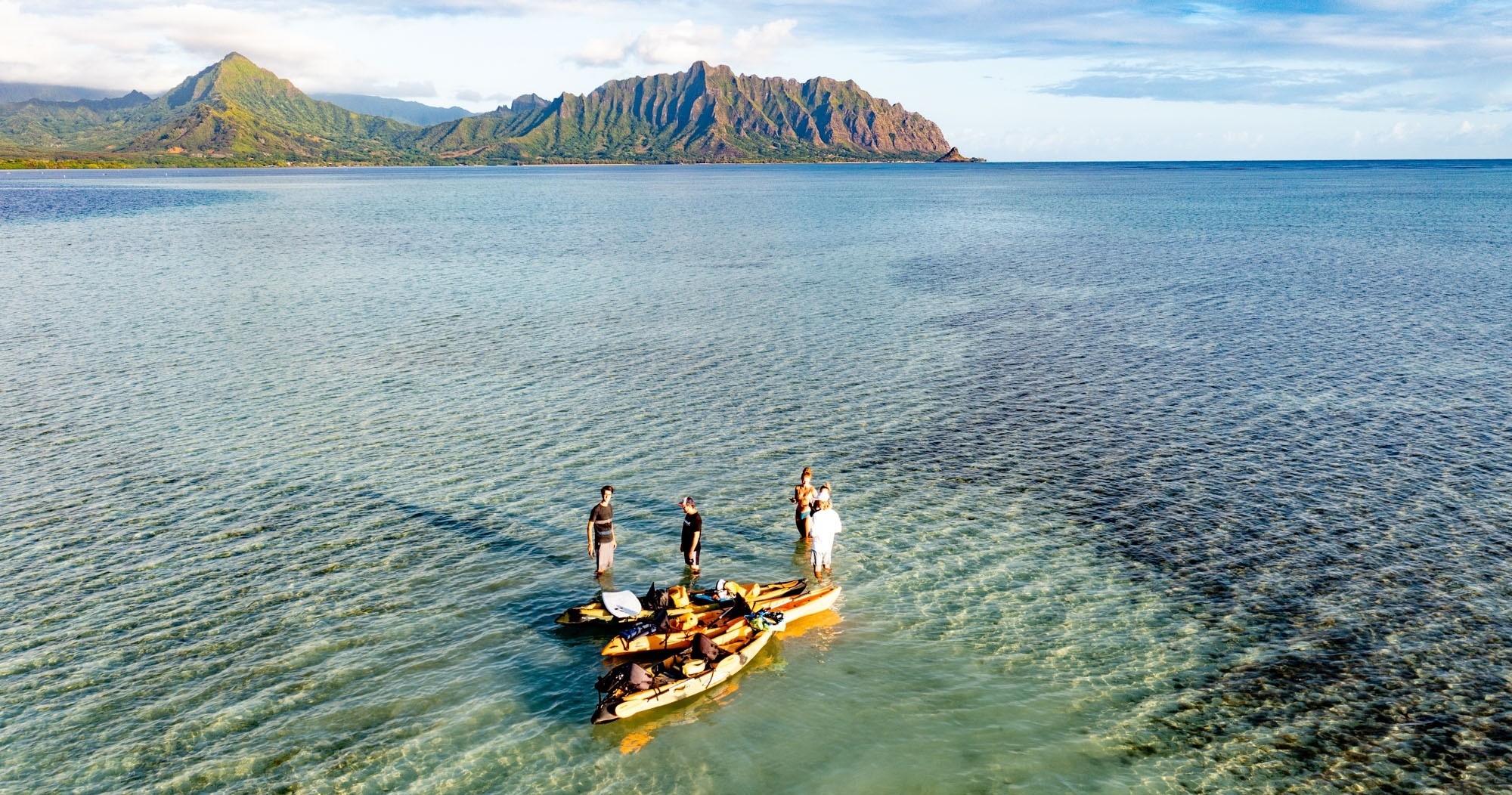
Kaneohe is a place where the sea feels intentionally gentle. Sheltered by a broad fringing reef, Kaneohe Bay offers long stretches of shallow turquoise water that dissolve into deeper aquamarine channels, a spectrum that invites exploration at every skill level. From the shoreline, the bay looks almost domesticated—calm glassy mornings, a scattering of small craft, and a soft, sandbar glow that melts into sunset. But move a little deeper and the bay reveals its intricacies: ribbon reefs etched with coral gardens, bends where currents gather schools of reef fish, and pockets of native limu (seaweed) that remind you this is a living coastal system with fragile rules.
The town itself is quietly connected to these water rhythms. Local outfitters, family-run charters, and community paddling groups have long treated the bay as both playground and pantry—places to float and places to feed. That duality shapes how people use the water here: afternoons on the sandbar alongside picnics and ukulele players, dawn paddle sessions that slip beneath cliffs dusted in trade-wind mist, and boat excursions that point out cultural sites and fishponds along the shore. For travelers, Kaneohe offers a return to essentials—the simple physics of buoyancy, the meditative rhythm of a paddle stroke, and the immediate reward of snorkeling a healthy reef without the surf of Oahu’s exposed shores.
From a planning perspective, Kaneohe’s water activities strike a useful balance between accessible and adventurous. Beginners find forgiving conditions: shallow launch points, predictable wind corridors early in the day, and ample options for guided snorkeling or SUP lessons. Intermediate paddlers and snorkelers can stitch together longer routes—sandbar to reef edge, bay channel to sheltered inlets—while more experienced divers and boaters will appreciate the variety of microhabitats and nearby drop-offs reachable by short runs. Seasonality matters in degree more than kind: winter brings larger swell to exposed coasts and occasional southerly swell into the bay’s southern reaches, but most days remain suitable for in-bay pursuits. Practical considerations—tide timing for the sandbar, reef-safe sunscreen, and basic reef etiquette—can transform a good day on the water into a responsible one. Kaneohe rewards curiosity and care: venture with respect, and the bay will return the favor with crystal visibility, abundant sea life, and afternoons that feel deliberately slow in the best way.
The sandbar is the social heart of the bay—ideal for families, casual snorkelers, and paddlers. It’s tide-dependent and at its best in mid to low tides when flats emerge cleanly.
Guided snorkeling and glass-bottom boat tours provide context: local guides share reef conservation rules, fishing histories, and cultural landmarks that elevate the experience beyond sightseeing.
Morning sessions tend to be calmer and clearer. Trade winds typically pick up in the afternoon, which can bring chop to open-water exits and affect smaller craft.
Best Time to Visit
Best Months
Weather Notes
Hawaii’s wind patterns make mornings generally calmer than afternoons. Trade winds pick up seasonally—typically stronger in late spring through fall—so plan sandbar and snorkel outings for early in the day. Short tropical showers can affect water clarity shortly after rainfall.
Peak Season
Summer months bring increased visitation and calm seas ideal for novice paddlers and family snorkeling trips.
Off-Season Opportunities
Winter months can offer fewer crowds and dramatic skies; however, check surf and swell forecasts before heading out, especially for launches outside the bay.
Frequently Asked Questions
Do I need a permit to visit the Kaneohe sandbar?
Access approaches vary; recreational visits to the sandbar do not require a general public permit, but commercial operations and large group events may need authorization. Check local harbor and county rules if you plan a guided or commercial activity.
Are currents or strong tides a concern?
Within most of the bay, conditions are sheltered, but channels and reef passes can have stronger currents. Always check local tide and current notes, and avoid unknown passes without a guide.
How do I protect the reef while snorkeling?
Use reef-safe sunscreen, maintain neutral buoyancy to avoid touching coral, keep fins clear of the bottom, and do not collect or disturb marine life. Local operators often brief guests on specific reef rules.
Choose Your Experience Level
Beginner
Gentle, shallow-water experiences with minimal chop and short distances from launch points. Ideal for families and first-time snorkelers or paddlers.
- Shallow snorkel over nearshore coral gardens
- SUP or kayak to the sandbar at low tide
- Guided glass-bottom or snorkeling boat tour in protected bay areas
Intermediate
Longer paddle routes, reef-edge snorkeling, and outings that require basic navigation skills, tide awareness, and moderate fitness.
- Cross-bay paddle from one shoreline to another
- Drift-snorkel along outer reef sections with a guide
- Half-day kayak route exploring small inlets and fishpond remnants
Advanced
Blue-water outings, diving or boat-based trips to deeper reef habitats, and technical paddling that demands strong skill, local knowledge, and safety planning.
- Offshore boat dives to deeper reef structures
- Long-distance coastal paddles in variable wind
- Navigating reef channels and currents to reach remote snorkeling sites
Insider Tips & Local Knowledge
Respect tides, reef ecology, and local customs. Small adjustments—timing, sunscreen choice, and a local guide—greatly improve safety and enjoyment.
Time is your ally: plan sandbar visits and snorkeling for morning hours when winds are lighter and visibility is clearest. Check tide charts—the sandbar’s exposure depends on tide and swell, and low to mid tides are generally best for comfortable wading. Choose reef-safe sunscreen and avoid touching coral. Locals are protective of the bay’s ecosystems; simple behaviors like not feeding fish, not standing on coral, and packing out all trash go a long way. Consider booking a short tour with a licensed local operator: guides provide launching logistics, point out underwater highlights, and teach respectful reef etiquette. They also monitor changing conditions so you can focus on the experience. If you’re paddling independently, leave a float plan with someone ashore and be conservative in your route choices—wind can turn a calm bay crossing into a slog. Finally, bring small-denomination cash for pier fees or beachside snacks, and allow extra time for learning how to fit and clear snorkel gear—an ill-fitting mask or poorly adjusted fin straps are the usual culprits of a shortened day on the water.
What to Bring
Essential
- Reef-safe sunscreen (zinc-based or approved formulations)
- Snorkel, mask, and fins (or rent locally)
- Light wetsuit or rashguard for sun and chafe protection
- Waterproof bag for keys, phone, and permits
- Tide and wind app or printed tide chart
Recommended
- Water shoes or reef booties for rocky launch spots
- Personal flotation device (PFD) for kayak or SUP use
- Dry bag for valuables, and a small first aid kit
- Reusable water bottle and shade hat for sandbar afternoons
Optional
- Underwater camera or small action camera
- Compact reef identification guide or app
- Snorkel vest for less confident swimmers
- Binoculars for shoreline birdwatching
Ready for Your Water Activities Adventure?
Browse 526 verified trips in Kaneohe with instant booking
Explore Top 15 Kaneohe, Hawaii Adventures →