Top Snorkel Adventures in Kaneohe, Hawaii

Kaneohe, Hawaii

Kaneohe’s shallow bay and extensive fringing reef create some of Oahu’s most accessible and wildlife-rich snorkel experiences. From the broad, waist-deep sandbar to sheltered reef flats and guided boat outings, Kaneohe is ideal for first-time snorkelers, families, and anyone craving close-up encounters with reef fish, sea turtles, and intricate coral gardens.

261
Activities
Year-Round
Best Months

Top Snorkel Trips in Kaneohe

261 trips • Book with confidence • Instant confirmation

Why Kaneohe Is a Standout Snorkeling Destination

Kaneohe’s snorkeling reputation springs from a simple geographic advantage: an expansive, shallow bay ringed by a fringing reef that buffers swell and creates long, calm stretches of clear water. That sheltered geometry makes it a gentle classroom for learning how to read tides, watch reef life, and build comfort in the water. The sandbar—an almost otherworldly shoal that emerges at low tide in the center of the bay—has become an iconic staging area for families, kayakers, and snorkel groups. It’s a place where novices can stand, wade, and ease into snorkeling while older kids and confident swimmers drift into deeper garden zones.

Beyond ease of access, Kaneohe’s reef system supports a diversity of tropical species: surgeonfish and parrotfish graze on algal edges, butterflyfish patrol coral outcrops, green sea turtles surface slowly for air, and occasional eagle rays glide across deeper flats. The underwater topography is intimate—patch reefs, reef channels, and coral bommies sit within sight of shore—so short surface swims often deliver memorable encounters. That proximity has also shaped the culture of snorkeling here: community-based reef monitoring, restoration efforts, and a steady stream of guided operators who prioritize safety and stewardship.

The experience is not purely idyllic. Kaneohe’s reef has been affected by storm runoff, warming events, and invasive algae in the past—factors that have catalyzed local conservation projects and changed where and when people snorkel. Visitors who come prepared to practice low-impact snorkeling find the best experiences: moving slowly, keeping fins up near corals, and using reef-safe sunscreen preserves both the sightlines and the fragile organisms that create them. Practical planning—checking tides, listening to local operators about current windows, and selecting launch points with shallow entries—makes the difference between a frustrating, murky outing and a crystalline, wildlife-rich morning.

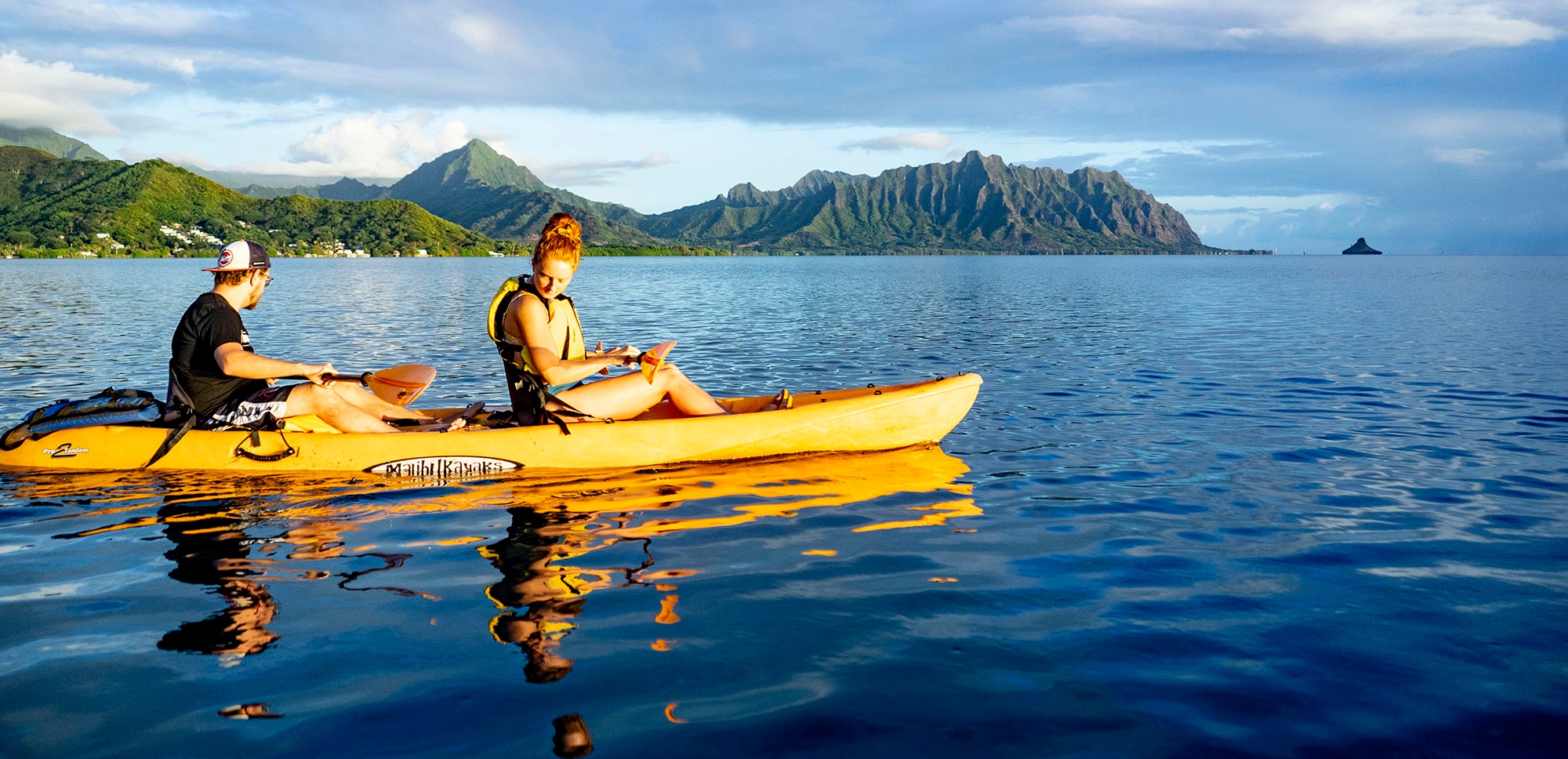
Finally, Kaneohe pairs snorkeling with other easy adventures: a short paddle to the sandbar, a guided glass-bottom boat trip for observers who prefer dry vantage points, or a coastal hike that finishes with a late-afternoon float. Whether you come for the first tentative breaths behind a mask or a deliberate day cataloging reef species, Kaneohe delivers approachable, repeatable marine encounters. The bay feels domesticated compared with Oahu’s exposed windward surf or the deep dives off the leeward coast—but that domesticity is the point: it’s where safety, variety, and accessibility intersect, and where many visitors first fall in love with Hawaii’s underwater world.

Sheltered water and shallow reefs make Kaneohe ideal for learners and families; experienced snorkelers will find complexity in channels, patches, and nearby boat-access sites.

Local stewardship and restoration projects mean snorkel access and quality can vary—contact outfitters or community groups for current conditions.

Combine snorkel outings with kayaking or stand-up paddleboarding to reach quieter reef sections and the sandbar without relying on motorized craft.

Activity focus: Shallow-water reef snorkeling and guided bay excursions
Kaneohe Bay features a large sandbar that appears at low tide—popular for wading and staging snorkel trips
Protected by a fringing reef, the bay is calmer than many open-coast sites
Expect abundant reef fish, green sea turtles, and coral patches; visibility varies with tide and runoff
Follow reef etiquette: no touching, no standing on coral, and avoid chemical sunscreens

Best Time to Visit

Best Months

AprilMayJuneJulyAugustSeptemberOctober

Weather Notes

Calmer seas and better visibility are most common in late spring through early fall; winter months can bring larger wind-driven swells and increased runoff after storms. Trade winds affect shoreline conditions—leeward and protected parts of the bay stay calmer.

Peak Season

Summer (June–August) and holiday weeks see the highest visitation—expect crowded sandbar and beach launches.

Off-Season Opportunities

Winter months offer cooler water and fewer crowds; weekdays in shoulder seasons often provide the clearest mornings and easier parking. Consult local operators about post-storm visibility.

Frequently Asked Questions

Do I need permits to snorkel in Kaneohe Bay?

No general permit is required for recreational snorkeling from shore. Specific protected areas or commercial operations may have rules—check with local authorities or outfitters if you plan to launch a motorized vessel or run a guided business.

Is Kaneohe suitable for beginners and families?

Yes. Wide shallow zones and a protected reef make many Kaneohe sites excellent for first-timers and children, especially around the sandbar and protected flats. Always supervise children and use appropriate flotation if needed.

How can I find the best visibility and wildlife?

Early mornings, slack tide, and calm wind conditions typically yield the clearest water. Talk to local guides about recent runoff, tide windows, and where turtles or schooling fish have been seen.

Choose Your Experience Level

Beginner

Short, supervised swims in shallow, protected flats or around the sandbar; minimal currents and easy exits.

  • Sandbar wade and shallow reef loop
  • Guided family snorkel near beach launch
  • Introductory kayak-to-reef trip

Intermediate

Longer swims above patch reefs, moderate surface current management, and short boat-access sites that require basic navigation and comfort in open water.

  • Guided reef garden snorkel with intermediate drift segments
  • SUP or kayak to outer patch reefs
  • Combination snorkel + glass-bottom boat tour

Advanced

Extended boat drops, freediving or breath-hold sessions near deeper bommies, and multi-site days that demand good fitness, current reading skills, and navigation experience.

  • Boat-access snorkel to remote patch reefs
  • Freedive training and deeper reef exploration
  • All-day marine-focused boat charter with multiple reef stops

Insider Tips & Local Knowledge

Respect the reef, check local conditions, and choose launch locations that minimize trampling of shoreline habitat.

Aim for slack tide and early morning launches—winds often pick up mid-day, increasing chop and reducing visibility. Ask local outfitters about recent algal blooms or runoff after heavy rains. The sandbar is a social hub; if you want solitude, boat or paddle to nearby patch reefs. Use reef-safe sunscreen and avoid any contact with coral—corals are living organisms that bleach or break easily. Wear reef booties for rocky entrances and carry a waterproof ID and a small floatation device if swimming long distances. Parking can be limited at popular launch points; arrive before 8 a.m. on weekends or consider renting a kayak from a local shop that includes a guided route. Finally, consider joining a community beach cleanup or reef monitoring tour—it's a practical way to learn local conditions while giving back to the ecosystems that make Kaneohe special.

What to Bring

Essential

  • Mask, snorkel, and fins (well-fitting gear reduces fatigue and leaks)
  • Reef-safe sunscreen (mineral-based) or a long-sleeve UV shirt
  • Water shoes or reef booties for rocky launches
  • Water, snacks, and sun protection (hat for shore time)
  • Small dry bag for phone, keys, and a car key tether

Recommended

  • Rashguard or wetskin for sun protection and mild insulation
  • Anti-fog solution or spit for masks
  • Floating safety marker or dive flag for group visibility
  • Light reef-safe floatation for beginners (no inflatable toys on reef)
  • Underwater camera or action-camera with housing

Optional

  • Mask defogger wipes
  • Compact first-aid kit with sting relief
  • Snorkel vest for long drifts or less confident swimmers
  • Binoculars for observing the bay from shore or sandbar

Ready for Your Snorkel Adventure?

Browse 261 verified trips in Kaneohe with instant booking

Explore Top 15 Kaneohe, Hawaii Adventures →