2

Scuba Adventures in Kaneohe, Hawaii

Kaneohe, Hawaii

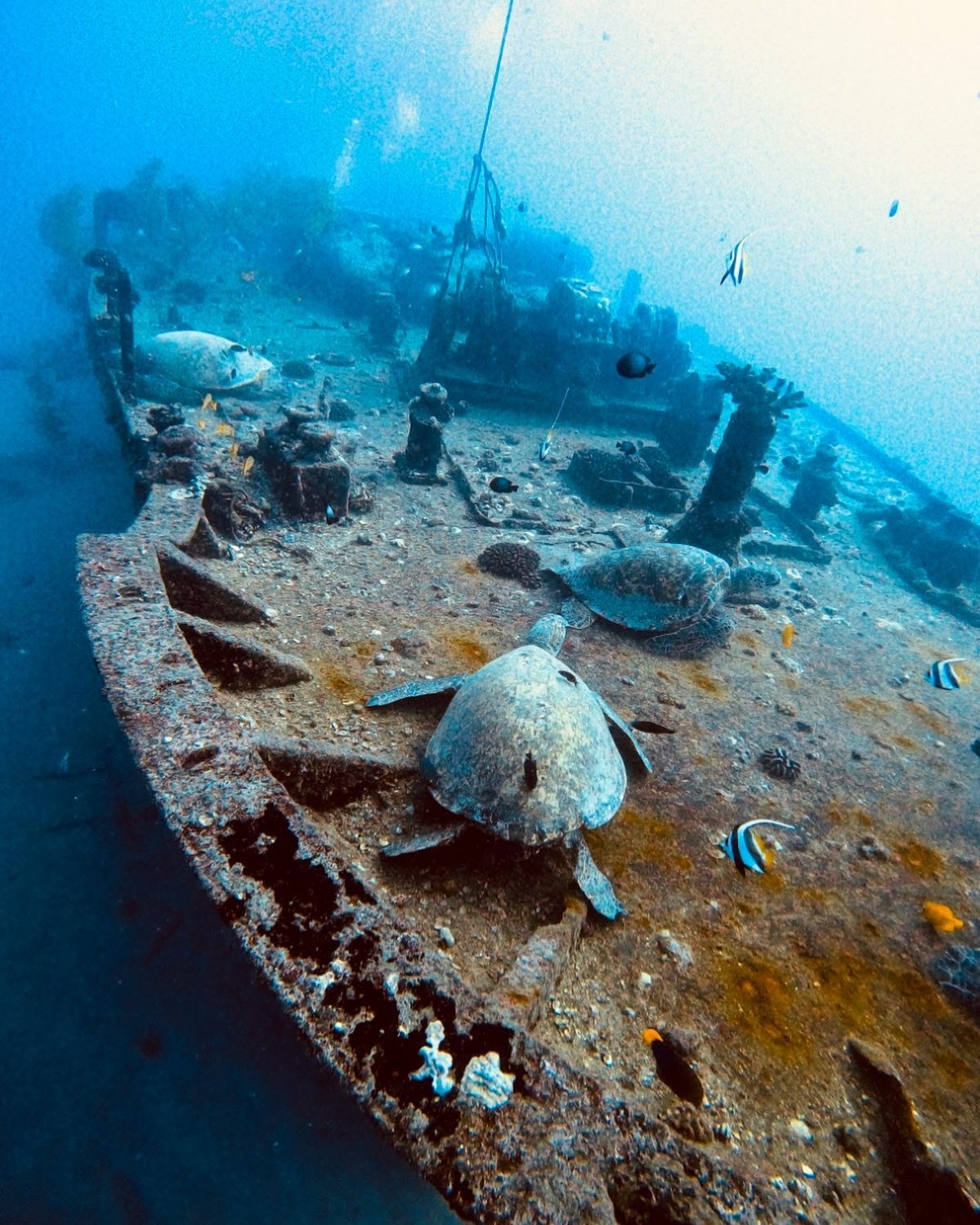
Kaneohe is a diver’s lesson in contrast: a broad, protective bay whose shallow patch reefs and clear lagoon waters cradle playful tropical fish, giant sea turtles, and an accessible introduction to Hawaiian coral systems. From calm, sheltered shore entries to short boat runs that open onto deeper reef edges and pinnacles, Kaneohe’s scuba offerings favor approachable, seasonal dives that reward both first-time certified divers and experienced photographers looking for macro life and wide reefscapes.

141
Activities
Year-Round
Best Months

Top Scuba Trips in Kaneohe

141 trips • Book with confidence • Instant confirmation

Why Kaneohe Is a Standout Scuba Destination

Kaneohe Bay reads first like geography: a wide sweep of shallow lagoon hemmed by barrier reef, a calm interior of warm water and seascapes that unfurl in long, sunlit sheets. But dive beneath the surface and the place rearranges itself into a quieter, more intricate world—mottled coral gardens, swaying fields of algae, and pockets of sand where turtles graze. For divers, Kaneohe’s appeal is practical as much as poetic. The bay’s sheltered character makes entry straightforward, currents are generally gentle inside the reef, and visibility often stretches into the tens of meters on the clearest days. That combination makes Kaneohe ideal for skill-building, underwater photography, and first-time travelers who want to log memorable dives without committing to long boat runs.

Culturally, Kaneohe sits at an intersection of island life and marine stewardship. Heʻeia and nearby ahupuaʻa (traditional land-and-sea divisions) carry histories of loko iʻa (fishpond) cultivation and careful marine resource management that predate modern tourism. Local dive operators and community groups frequently partner on reef restoration and algae-removal efforts—an important context for visitors: the reefs are living and vulnerable. Approaching dives here with humility and reef-safe practices not only improves your experience—by keeping corals healthy and fish abundant—but also aligns you with ongoing local conservation efforts.

Kaneohe is versatile. On a single day you can do a shallow, sheltered shore dive among finger corals and schooling reef fish, and later take a short boat ride out to deeper bommies or the outer reef edge for larger pelagics and stronger currents. Shore-access training dives and guided shore dives cater to certification refreshers and open-water students; advanced dives, including drift or deep-site exploration, are available with local charters that know how to read the tides and seasonal swell patterns. Seasonality is subtle here—visitors can dive year-round—but conditions will influence what you see: calmer trade-wind summers favor superb visibility and mellow seas, while winter brings occasional northerly swells that can open up larger offshore encounters but may limit shallow shore entries.

For travelers, Kaneohe’s scuba offering is about approachable richness rather than remote, technical extremes. It rewards close observation—macro critters tucked into coral heads, reef interactions, and patient turtle sightings—while also providing enough variation to keep serial divers engaged. With straightforward logistics from Honolulu and a local dive community that emphasizes safety, education, and stewardship, Kaneohe is a place to refine your skills, deepen your knowledge of Hawaiian reef ecosystems, and connect with a living marine landscape that’s intimate, instructive, and quietly generous.

Diving in Kaneohe often feels like practicing two different arts: the careful, slow craft of reef study and the occasional sprint of boat-directed exploration. Shore dives teach you to read reef topography and watch subtle ecological interactions; boat dives, a short run away, reveal drop-offs and larger reef structures that attract different species.

Because Kaneohe Bay is actively managed and heavily used by locals, divers who come prepared—respecting marine life, using reef-safe sunscreen, and following briefings—generally find better encounters and support local conservation. Operators frequently balance tourism with restoration projects, and many dives include a short environmental overview as part of the briefing.

Activity focus: Scuba diving & underwater exploration
Total matching trips: 141
Best for: beginner-friendly shore dives, guided reef explorations, underwater photography
Common encounters: green sea turtles, reef fish, octopus, occasional eagle rays
Water temps: generally warm year-round (shorty to 3mm–5mm wetsuits common)
Visibility: variable; excellent on calm summer days, reduced after heavy rains

Best Time to Visit

Best Months

AprilMayJuneJulyAugustSeptemberOctober

Weather Notes

Kaneohe’s tropical climate supports year-round diving. Late spring through early fall typically brings steadier trade winds, warmer surface temperatures, and clearer water. Short, heavy tropical downpours—especially in winter months—can reduce nearshore visibility and increase surface runoff.

Peak Season

Summer months (June–August) are popular for visitors and local weekend traffic; expect higher demand for charters and popular shore-entry sites.

Off-Season Opportunities

Winter diving (November–March) can offer solitude and different marine life behavior; however, northerly swells and increased runoff after storms may limit some shore-access options.

Frequently Asked Questions

Do I need a scuba certification to dive in Kaneohe?

Yes. Standard guided dives require open-water certification. Many local operators offer introductory programs (Discover Scuba) for non-certified guests that include a short lesson and shallow guided dive—these are not equivalent to a full certification course.

Are shore dives a good option for beginners?

Yes. Kaneohe’s sheltered patch reefs and calm lagoon areas are excellent for shore entries and introductory dives, allowing new divers to build comfort in protected conditions before attempting boat dives.

How does marine conservation affect diving here?

Local stewardship is active. Divers should use reef-safe sunscreen, avoid touching or standing on corals, and follow operator briefings. Some areas may be subject to restoration work or temporary restrictions—check with providers before diving.

Choose Your Experience Level

Beginner

Protected lagoon dives and shallow patch reefs with minimal current—ideal for skill development and relaxed observation of reef life.

  • Shore dive at Heʻeia State Park patch reefs
  • Guided harbor-entry reef tour
  • Discover Scuba Dive in protected bay zones

Intermediate

Short boat runs to deeper bommies and outer-reef edges with moderate depth and occasional mild currents; good for navigation practice and buoyancy refinement.

  • Boat trip to reef pinnacles outside the main bay
  • Underwater photography-focused reef circuits
  • Night shore dive with guide (where offered)

Advanced

Deeper or drift dives at outer reef edges, sites with stronger currents or rugged topography—these require solid experience, good air management, and local-site knowledge.

  • Drift along outer-reef drop-offs with current management
  • Advanced navigation and deeper wreck or pinnacle exploration
  • Technical or extended bottom-time dives with local charter (as available)

Insider Tips & Local Knowledge

Operators read the bay daily—ask them about recent visibility, runoff, and turtle hotspots.

Book early for weekend summer slots; many popular shore access points fill quickly. Favor early-morning dives for the calmest water and best visibility—trade winds typically pick up in the afternoon. Always carry your certification card and a basic dive computer; many charters will require proof of recent dives if you claim advanced-level experience. Respect cultural sites and kayak lanes near shore entries, and prioritize reef-safe sunscreen—locally sold mineral options are widely available. If you’re photographing, practice a slow, steady approach: many of Kaneohe’s most compelling subjects are small and skittish, so patient, low-profile positioning yields the best encounters. Finally, consider pairing dives with cultural visits—Heʻeia Fishpond and local learning centers offer context that makes underwater observations more meaningful.

What to Bring

Essential

  • Certification card and photo ID
  • Dive logbook or digital dive history
  • Mask, snorkel, and fins (rentals widely available)
  • Rashguard or short wetsuit (3mm or shorty)
  • Reef-safe sunscreen and sun protection

Recommended

  • Underwater camera or macro lens for small subjects
  • Surface marker buoy (SMB) for boat pick-ups
  • Dive computer and personal slate
  • Spare mask and mask strap

Optional

  • Lightweight hood or gloves for early-morning dives
  • Dive knife or reef hook (local rules permitting)
  • Short wetsuit booties for rocky shore entries

Ready for Your Scuba Adventure?

Browse 141 verified trips in Kaneohe with instant booking

Explore Top 15 Kaneohe, Hawaii Adventures →