2

Top Photography Tours in Kaneohe, Hawaii

Kaneohe, Hawaii

Kaneohe is a compact, luminous corner of Oʻahu where emerald mountains tumble into wide tropical bays, and each hour of light rearranges the island’s portrait. Photography tours here move at the pace of weather and tide—sunrise reflections across Kaneohe Bay, cloud-scudded ridgelines of the Koʻolau, intimate cultural landscapes like Heʻeia Fishpond, and verdant garden compositions at Ho'omaluhia. Expect boat-based coastal shoots, short rainforest treks to waterfalls, and cultivated garden sessions that emphasize texture, color, and local context.

70
Activities
Year-round (trade-wind influenced)
Best Months

Top Photography Tour Trips in Kaneohe

70 trips • Book with confidence • Instant confirmation

Why Kaneohe Is a Standout Photography Destination

Kaneohe sits at a gentle crossroads between sea and steep green: shallow turquoise bays ringed by reef, a living grid of taro patches, mist-swept valleys, and the serrated Koʻolau Range rising like a sculpted backbone behind town. Photographers are drawn not only to the obvious postcard frames—Chinaman’s Hat offshore, a long glassy bay at dawn—but to the layered material culture and ecosystems that give those frames meaning. In Kaneohe a single half-day tour can yield shoreline reflections, portraits with native plants at Ho'omaluhia, low-light conditions under a banyan canopy, and dramatic aerial-like vistas from roadside overlooks. Light here is a character: long, warm mornings when the bay behaves like polished metal; squally afternoons that carve drama into mountain slopes; and evenings where trade-wind clouds unspool into bands of color.

The town’s human geography deepens the visual story. Heʻeia Fishpond—one of the largest remaining loko kuapā in Hawaiʻi—offers architectural lines and seasonal activity that play beautifully in wide-angle and telephoto frames alike, while taro farms and small-scale agriculture provide textured foregrounds against mountain silhouettes. Boat-based photography tours across Kaneohe Bay let shooters work with reflections, reef geometry, and the changing water color palette that depends on tide and sun angle. Inland, short guided walks to accessible waterfalls and garden sessions at Ho'omaluhia open opportunities for macro studies, long exposures, and environmental portraiture. Conservation-minded operators in Kaneohe weave cultural context into shoots, helping photographers respect sacred places and protected habitats.

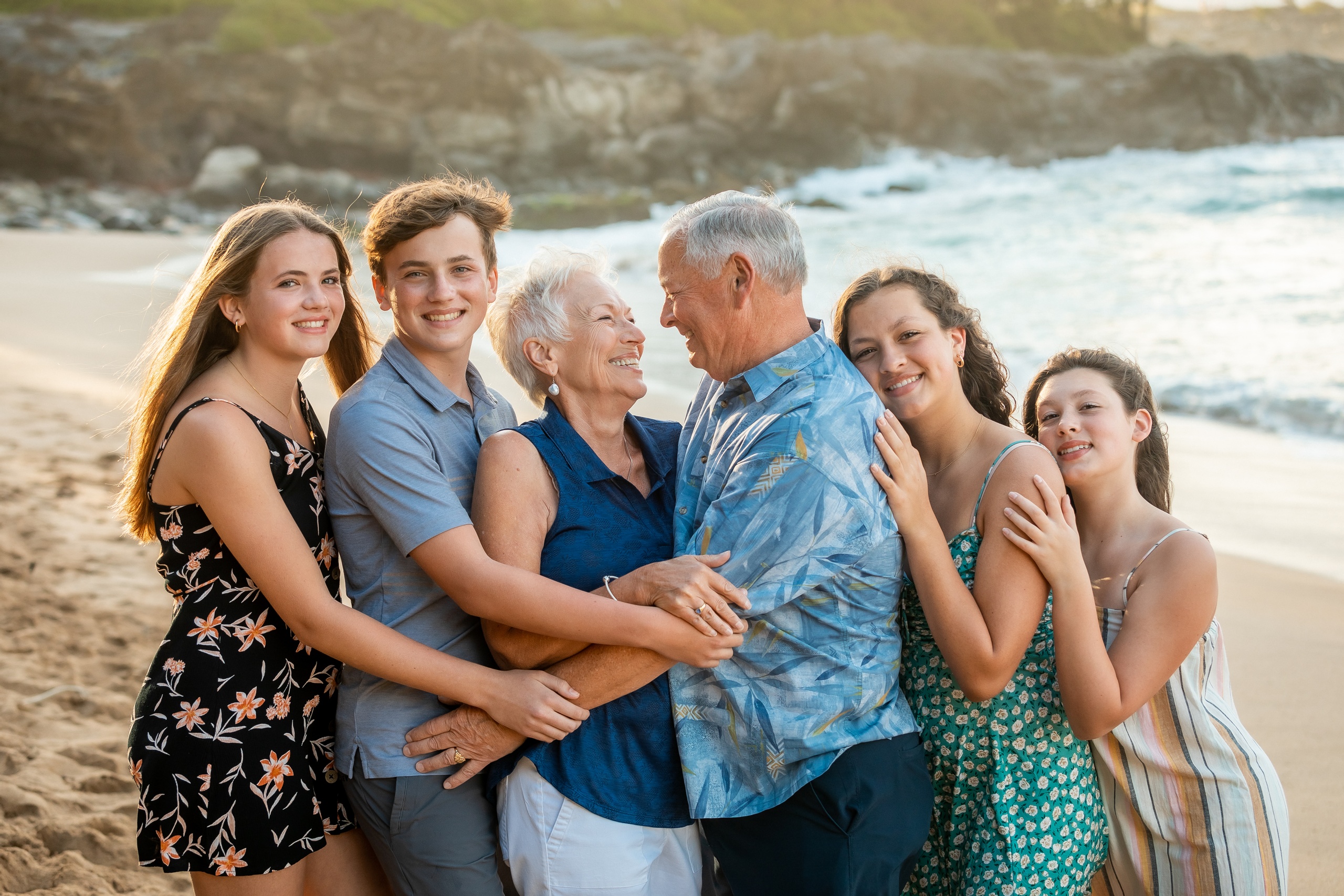
Beyond composition, Kaneohe’s accessibility sets it apart. It’s close enough to urban hubs on Oʻahu for day trips, but its coastline and valleys preserve a sense of calm—fewer massive tour buses, more small-group outings and private sessions tailored to lighting and subject. The region accommodates a wide range of photographic goals: family vacation keepsakes, landscape portfolios, underwater and drone work (subject to local regulations), and immersive cultural storytelling. For adventurous photographers who want to pair their lens work with complementary activities, Kaneohe also functions as a hub: kayaking and stand-up paddleboarding for waterline perspectives, short hikes into the Koʻolau for elevated vantage points, and boat charters that combine snorkel stops with sunrise shoots. The result is a compact, dynamic field studio where the island’s living systems and human history are as photogenic as the landscapes themselves.

Boat-based sessions on Kaneohe Bay are ideal for working reflections and reef color shifts—tours often time shoots to sunrise or high tide for best water clarity.

Ho'omaluhia Botanical Garden and nearby landscaped sites make excellent locations for macro and portrait work, with easy parking and well-maintained paths.

Short rainforest walks and waterfall approaches (e.g., accessible points near Lulumahu and Maunawili) give photographers opportunities for long exposures and low-light technique without long approaches.

Cultural sites like Heʻeia Fishpond and local farm terraces are visually rich but sensitive; guided tours or local liaisons help photographers balance access with respect.

Activity focus: Photography tours—landscape, cultural, and coastal
70 matching local experiences (guided and self-guided)
Best light is typically at sunrise and early morning or late afternoon on calm days
Boat tours and garden sessions are common formats
Drone use and access to some cultural sites may be restricted—check local rules

Best Time to Visit

Best Months

AprilMaySeptemberOctoberDecemberJanuary

Weather Notes

Kaneohe’s climate is moderated by trade winds—mornings are often calm with excellent light, while afternoons can bring brief showers and enhanced cloud drama. The wet season (late fall through spring) produces lush vegetation and more dramatic skies; summer months are warmer with consistent trade-wind cloud bands. Offshore water clarity changes with rainfall and tide—plan water shoots on low-rain windows for best visibility.

Peak Season

Winter holidays and popular island-wide travel periods bring more visitors; holiday weeks can affect boat availability and access.

Off-Season Opportunities

Wet-season months yield richer green landscapes and fewer crowds; shower windows often produce high-contrast cloud formations ideal for moody landscape work.

Frequently Asked Questions

Do I need permits to photograph in Kaneohe?

Most public parks and roadside overlooks allow casual photography without a permit. Commercial shoots, large tripods, drones, or access to restricted/cultural sites may require permits or coordination—confirm with land managers or tour operators before planning a commercial session.

Are boat-based photography tours safe for equipment?

Reputable operators provide dry storage and stable platforms for shooting. Use waterproof cases or dry bags, keep lens changes to a minimum on deck, and secure tripods when the boat is moving.

Can I fly a drone on photography tours?

Drone regulations are strict in many parts of Hawaiʻi, especially near populated beaches, cultural sites, and protected areas. Check federal (FAA) rules and local restrictions; many guided tours exclude drone use to respect wildlife and privacy.

What should I expect from a guided photography tour?

Guides handle local logistics—tide timing, light windows, cultural context, and safety—so you can focus on composition. Sessions range from a few hours to full-day field trips and often pair landscape work with cultural or marine highlights.

Choose Your Experience Level

Beginner

Short, guided sessions focusing on composition basics and lighting at accessible sites like Ho'omaluhia and shoreline overlooks.

  • Sunrise reflection session on Kaneohe Bay (shore-based)
  • Botanical garden portrait and texture workshop
  • Easy tidepool and reef color primer

Intermediate

Multi-location half-day tours combining boat time, short hikes to viewpoints, and instruction on filters and long-exposure technique.

  • Half-day boat tour for reef and shoreline compositions
  • Waterfall walk with long-exposure technique
  • Cultural landscape shoot at Heʻeia Fishpond

Advanced

Custom full-day or multi-day shoots that demand technical skills—underwater housings, drone operation (where permitted), and complex lighting setups.

  • Sunrise-to-sunset coastline traverse with golden-hour and night-sky segments
  • Underwater photography and snorkel composition session
  • Aerial composition day with permit coordination (subject to restrictions)

Insider Tips & Local Knowledge

Respect local culture, protected habitats, and evolving access rules—when in doubt, ask a local operator.

Book sunrise boat tours well in advance during holiday periods; calm morning water makes the difference for reef clarity. Coordinate with guides about tides—high tide smooths reflections but can obscure reef features; low tide exposes interesting sandbars and color shifts. For waterfall and rainforest photography, schedule around mid-morning to avoid the heaviest showers but keep an eye on weather windows—brief rain often creates the best contrast in the mountains. Bring small-denomination cash for local parking or snack stands, and plan logistics around limited roadside parking at popular garden entrances. Finally, always pack out what you bring in, avoid stepping on reef or disturbing cultural structures, and confirm any drone or commercial photography permits before your session.

What to Bring

Essential

  • Camera body and two lenses (wide and telephoto) or a versatile zoom
  • Sturdy travel tripod for low-light and long exposures
  • Polarizing and ND filters for water and sky control
  • Weather protection for gear (waterproof covers or dry bags)
  • Sun protection (hat, sunscreen) and reef-safe sunscreen for water shoots

Recommended

  • Spare batteries and memory cards stored in a dry pouch
  • Circular polarizer and 3–6 stop neutral density for long exposures
  • Microfiber cloths and lens cleaning kit
  • Lightweight rain jacket and quick-dry layers
  • Water shoes or sandals for shoreline and boat access

Optional

  • Compact drone (and current local permit information) for aerials
  • Underwater housing or action camera for snorkel photography
  • Reflector or small off-camera flash for portrait sessions
  • Crop/backup drive for extended trips

Ready for Your Photography Tour Adventure?

Browse 70 verified trips in Kaneohe with instant booking

Explore Top 15 Kaneohe, Hawaii Adventures →