1

Scuba Diving Near Kamuela, Hawaii — 49 Top Trips

Kamuela, Hawaii

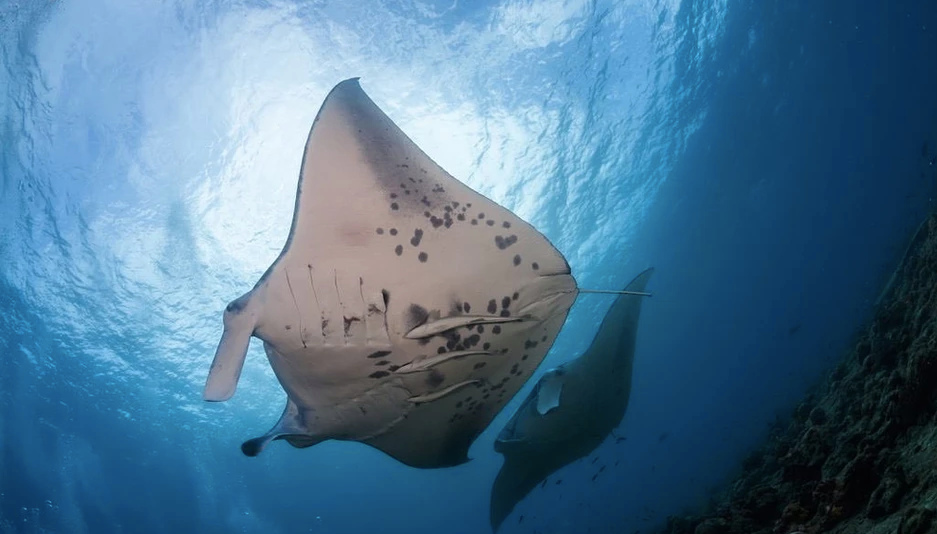
Kamuela sits upcountry on the slopes above the Kohala Coast, and while the town itself is a patchwork of pastures and paniolo (Hawaiian cowboy) life, its deep-blue backyard is some of the most intriguing diving on Hawai‘i Island. From sunlit lava pinnacles and coral gardens to offshore walls and nighttime manta ray gatherings a short drive away, the scuba options that radiate from Kamuela reward both certificate-bearing novices and technical-minded veterans. This guide focuses on the practical—how to get on the water from Kamuela, what to expect below the surface, and how to choose the right operators and dives for your experience level—while painting the setting: volcanic seafloor, warm Pacific swell, and a living reef network shaped by island culture and ocean climate.

49
Activities
Year-Round (best conditions Apr–Oct)
Best Months

Top Scuba Trips in Kamuela

49 trips • Book with confidence • Instant confirmation

Why Scuba Diving Near Kamuela Feels Different

Kamuela’s landscape is theatrical: green rolling pastures give way to the black scars of ancient lava that tumble toward a sculpted coastline. When you trade the town’s cool, upcountry air for the salt and sun of the Kohala shore, the underwater portraits are unexpectedly varied. You can drop in on shallow coral gardens and find patient honu (green sea turtles) grazing among coral heads; swim out to steep lava drop-offs where schools of surgeonfish and big-eye jacks circulate in current-swept choreographies; or drift along lava terraces that look like the island’s geological history compressed into a single profile.

That variety is amplified by proximity. Kamuela is not the coastal launch point for every dive—many operators run boats from nearby harbors and from Kona—but it’s close enough to make morning pickups and afternoon returns practical. The result is a scuba scene that pairs rural Hawaiian hospitality with access to world-class sites. A morning’s itinerary might include a sheltered shore dive at a shallow reef to tune skills, followed by a mid-day boat run to an offshore pinnacle layered in sea life. In winter, migrating humpbacks sing and breach offshore; in summer, the water clears and visibility stretches far enough to feel cinematic.

Culturally and environmentally, diving here is tethered to Hawaiian concepts of care for the ocean. The local ahupua‘a system—land managed from the mountain to the sea—still shapes stewardship expectations, and many operators emphasize reef-safe practices and education about changing coral health. Expect conversations about coral bleaching, invasive algae where runoff is an issue, and community-led efforts to restore nurseries and protect nearshore fisheries. This combination of rich marine life, accessible launch options, and a community mindful of its ocean legacy is what makes scuba around Kamuela both adventurous and grounded.

From a practical perspective, the dive options cluster into recognizable types: sheltered bay and beach entries for training and calm-weather conditions; boat dives to fringing reefs and pinnacles for clear visibility and more abundant pelagics; and specialized night dives—most famously manta ray night feeds—accessible within an hour or so by road from Kamuela. Currents can be present on the outer edges and around heads of lava, so operators will pair current-sensitive divers with the appropriate sites. Overall, Kamuela gives you the sense of being above a living ocean laboratory: pastoral vistas above, a mosaic of reef habitats below, and a set of operators and shore communities keen to show you both the beauty and the stewardship responsibilities that come with it.

The Kohala Coast and neighboring waters provide a compact range of dive experiences: sheltered coral gardens for skill-building, mid-depth reefs for colorful macro life, and deeper lava-formed structures that attract larger fish and offer dramatic topography.

Kamuela’s inland elevation means you’ll often be staging dives from hotels or ranch stays inland and transferring to coastal dive operators. That pattern keeps morning logistics simple and evenings pleasantly quiet back in town.

Environmental fluctuations—seasonal swell, trade-wind-driven surface chop, and episodic coral bleaching—shape site selection. A thoughtful operator will choose sites by day-to-day conditions to optimize visibility and safety.

Activity focus: Scuba diving (shore and boat-based) within driving distance of Kamuela
Total matching trips: 49 (mix of guided, instructional, and specialty dives)
Common marine life: green sea turtles, reef fish, octopus, rays; seasonal presence of humpback whales offshore
Typical dive formats: shore entries, short boat runs, drift swims, night manta experiences (nearby Kona)
Important considerations: current exposure on outer reefs, reef-health variability, operator sea-transfer logistics from Kamuela

Best Time to Visit

Best Months

AprilMayJuneJulyAugustSeptemberOctober

Weather Notes

Calmer seas and the clearest water often arrive in late spring through early fall, while winter brings larger swell and the chance to see humpback whales offshore. Trade winds can kick up afternoon chop on exposed coasts; sheltered bays are more reliable in windy conditions.

Peak Season

December–March (humpback season brings visitors and increased boat activity), summer months for optimal visibility

Off-Season Opportunities

Shoulder months (April–May and September–October) offer quieter operations and excellent clarity; winter weekdays may provide solitude but with more variable seas.

Frequently Asked Questions

Do I need a certification to go scuba diving from Kamuela?

Yes. Certified divers should carry their certification card and logbook. If you’re not certified, many operators run Discover Scuba or introductory courses that include in-water training with an instructor; these are commonly offered as shore or calm-water dives.

Are dive operators based in Kamuela?

Most full-service dive operators launch from coastal harbors on the Kohala Coast and Kona; however, many provide morning pickups and returns to Kamuela-area lodgings. Confirm transport options with the operator when booking.

What are typical dive depths and conditions?

Recreational dives commonly range from shallow 10–40 feet for reef work to 60–100 feet on deeper pinnacles and walls. Visibility varies by site and season but is often excellent in summer months; currents can be present on outer reefs and around headlands, so operator guidance is essential.

Choose Your Experience Level

Beginner

Confined-water skills, shallow reef shore dives, and guided shallow boat dives with limited currents. Ideal for newly certified divers or those doing a Discover Scuba experience.

  • Shallow coral garden shore dive
  • Guided beginner boat reef dive
  • Discover Scuba session in sheltered bay

Intermediate

Longer boat dives, drift-exposed reef edges, and dives to 60–80 feet with varied topography. Good buoyancy control and basic navigation recommended.

  • Drift along a lava shelf
  • Pinnacle reef dive with schooling fish
  • Afternoon two-tank boat trip

Advanced

Deeper wall dives, technical profiles near drop-offs, and night dives (including manta ray excursions accessible by road). Experience with currents, dive planning, and gas management preferred.

  • Deep pinnacles and wall dives
  • Night manta or deep reef surveys
  • Advanced navigation and drift-focused dives

Insider Tips & Local Knowledge

Confirm pickups and return logistics with your operator, pack reef-safe sunscreen, and treat local marine areas with respect.

Book early for weekend slots and winter whale season; small operators can fill fast. If you’re staying in Kamuela, arrange for an early pickup or plan your own drive to the harbor—mornings are when conditions are most predictable. Check the operator’s conservation practices: many support reef restoration, use moorings to avoid anchoring on coral, and brief guests on minimizing contact. For photographers: bring a red filter or strobe to restore color at depth, and ask about pre-dive briefings that highlight macro subjects. If you’re aiming for a manta night dive, note that the most famous sites are a drive away (Kona/Keauhou area), so plan a full evening and account for road time. Finally, pack a lightweight wetsuit or 3mm suit for comfort; water temperatures typically feel warm but can be chilled below thermoclines on deeper dives.

What to Bring

Essential

  • Diver certification card and photo ID
  • Logbook and any specialty certifications (e.g., nitrox, deep, night)
  • Mask, snorkel, fins (rentals available but personal fit matters)
  • Rash guard or thin wetsuit (3mm recommended for most seasons)
  • Reef‑safe sunscreen and sun protection
  • Small dry bag for personal items

Recommended

  • Dive computer or timing device and depth gauge
  • Surface marker buoy (SMB) and reel for drift-prone sites
  • Spare mask and mouthpiece
  • Underwater camera or housing for reef photography
  • Lightweight waterproof layer for post-dive breezes

Optional

  • Nitrox certification (extends bottom time on repetitive dives)
  • Personal SMB whistle and safety gear
  • Full wetsuit for divers who get cold easily
  • Binoculars for spotting cetaceans from shore

Ready for Your Scuba Adventure?

Browse 49 verified trips in Kamuela with instant booking

Explore Top 15 Kamuela, Hawaii Adventures →