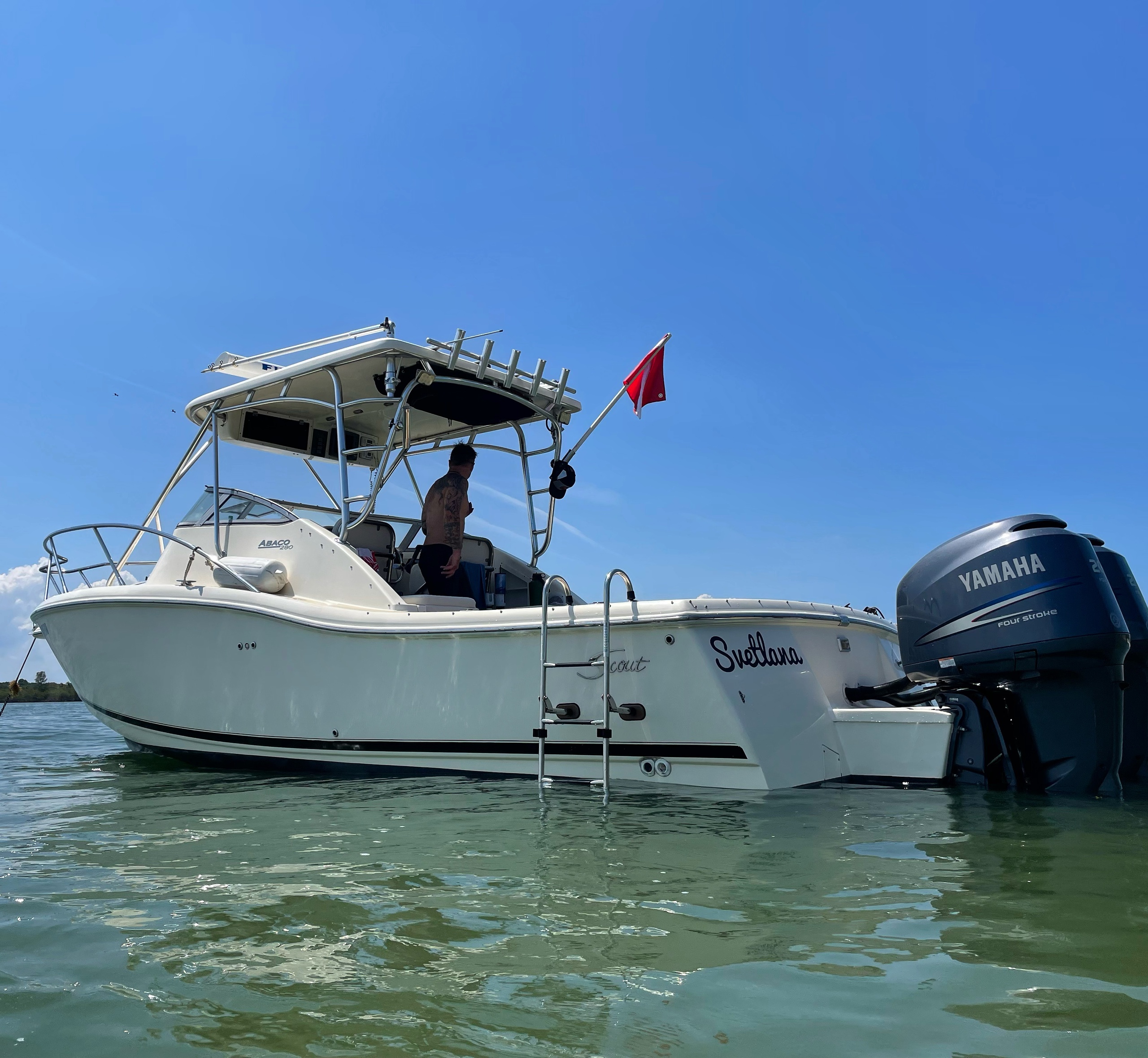
Fishing in Kamuela, Hawaii
Kamuela (Waimea) is a highland town that acts as an understated gateway to some of Hawaiʻi Island’s richest fishing waters. From nearshore reef work along the Kohala coastline to blue-water charters that pursue ahi, mahimahi, and billfish, fishing here is as varied as the island’s shifting sea colors. This guide focuses on where and how to fish around Kamuela—practical planning, seasonal rhythms, and the local practices that make an outing both memorable and responsible.
Top Fishing Trips in Kamuela
28 trips • Book with confidence • Instant confirmation
Why Kamuela Is a Distinctive Fishing Base
Kamuela occupies a rare position: a cool, ranch-lined plateau that overlooks one of the island’s most productive marine edges. The contrast is part of the appeal. Within a short drive the landscape slips from grassy pastures and paniolo (Hawaiian cowboy) culture down toward lava-formed reefs and the deep blue of the Kohala shelf. That gradient—upland to ocean—frames a fishing experience that blends local history, island ecology, and a spectrum of angling styles. Morning light on Waimea’s rolling hills gives way, in 30–45 minutes, to salt-spray and the smell of bait on a marina dock. For travelers who prize variety, Kamuela functions like a hub: guided skiffs and charter boats leave from nearby harbors, shore anglers fish basalt points and pocket beaches, and kayakers and snorkelers layer in shallow-water observation before or after a day of hook-and-line work.
Fishing here is both sensory and seasonal. On calm days the reef breaks show bands of turquoise and emerald; under those bands are bottom species and reef predators that make for technical inshore trips—light tackle, poppers, and careful fish-handling. Farther out, the continental shelf drops quickly into blue water prime for pelagics. Offshore anglers seek yellowfin tuna and mahi-mahi in warmer months and pursue wahoo and billfish with trolling patterns and live-bait techniques. The ocean’s moods—trade-wind chop, summer slack seas, winter swell—shape not only what you catch but how you plan: boat size and sea legs matter, as do tide windows for shore access. Equally important is place-based practice. Fishing in Hawaiʻi sits inside cultural frameworks that predate modern sportfishing: traditional knowledge of seasons and place, community values around sharing catches, and contemporary conservation measures to protect spawning populations. Local captains and fishers will often be the best interpreters of those layers, and a respectful conversation about sustainable take, size limits, and reef health is part of a good trip.
From a traveler’s perspective, Kamuela’s real strength is accessibility to a full range of experiences. You can spend a half-day on a family-friendly nearshore charter, an afternoon casting from a rocky point, or a full day chasing open-ocean gamefish. Complementary activities—snorkeling healthy reef pockets, visiting farmer’s markets for freshly landed fish, hiking lava flows or rolling ridgelines—round out a trip so that fishing is never its own island but part of a broader encounter with Big Island ecology and culture. Plan with weather windows and local advice in mind, and Kamuela’s mix of pasture, shore, and blue water can deliver the kind of fishing days that feel both elemental and distinctly Hawaiian.
Fishing opportunities around Kamuela range from calm, gear-light shore sessions to full-day offshore charters that require more preparation. Local guides emphasize safety and sustainability—ask about catch handling, size limits, and best practices before you fish.
Complementary experiences include snorkeling reef patches, visiting local fish markets and restaurants for chef-driven preparations of line-caught fish, and exploring upcountry farms and trails for a balanced day off the water.
Best Time to Visit
Best Months
Weather Notes
Kamuela’s elevation gives cooler mornings and reliable trade winds. Offshore sea states are shaped by trade-wind energy in summer and by northern swells in winter—both influence what type of fishing is advisable on any given day. Always check a local marine forecast.
Peak Season
Spring through late summer tends to produce the most consistent pelagic bites and calmer offshore windows.
Off-Season Opportunities
Fall and winter offer surf-driven species and can be quieter for charters; nearshore shore-fishing and reef work are often still productive with proper wind-window planning.
Frequently Asked Questions
Do I need a license to fish around Kamuela?
Regulations vary by gear type, location, and resident status. Check state and local rules before you go, and ask your charter operator or local tackle shop for current guidance.
Should I book a guide or head out on my own?
For offshore and unfamiliar shore access, guided charters provide local knowledge, safety, and equipment. Experienced anglers with a suitable vessel and local knowledge may opt to fish independently—confirm launch access and rules beforehand.
What types of trips are best for families?
Half-day nearshore charters and sheltered bay trips are better for families and first-time anglers. Look for operators that offer shade, bathroom facilities, and a flexible approach to fishing with kids.
Choose Your Experience Level
Beginner
Short shore sessions and half-day nearshore charters that prioritize fish-on options and teach basic techniques.
- Guided half-day nearshore charter
- Rocky-point light-tackle shore fishing
- Family-friendly bay trip with short runs
Intermediate
Full-day offshore charters and targeted reef trips requiring mid-level tackle, basic boat etiquette, and an ability to handle variable sea conditions.
- Full-day offshore troll for pelagics
- Nearshore reef-and-structure fishing
- Light tackle popper sessions
Advanced
Extended blue-water trips, sportfishing techniques for billfish, or technical shore sessions on exposed points requiring strong sea-reading skills and robust gear.
- Extended offshore trips targeting billfish
- Heavy-tackle trolling for large tuna and wahoo
- Advanced shore and backcountry access fishing
Insider Tips & Local Knowledge
Confirm marine forecasts, charter cancellation policies, and local regulations before booking. Respect private property and reef access points when fishing from shore.
Talk to local captains and tackle shops—Kamuela and neighboring harbors are serviced by captains who watch currents, bait migrations, and wind windows closely. Plan travel time: upcountry Kamuela can be significantly cooler than the coast, so layer clothing and allow for morning fog or cloud cover. If you’re targeting pelagics, ask about bite windows and bait preferences for the day rather than assuming a single tactic. For shore fishing, aim for low tide windows on accessible points and always wear appropriate footwear. Support sustainable practices: release undersized fish carefully, ask your charter about how they handle bycatch, and consider enjoying a shared, locally prepared meal from market-fresh fish rather than shipping your catch home. Finally, arrive early to neighborhood harbors and markets—local rhythms often start at first light, and the best on-the-water windows can close with afternoon winds.
What to Bring
Essential
- Sun protection: hat, polarized sunglasses, reef-safe sunscreen
- Seasickness remedies if you’re prone
- Light, non-marking deck shoes or reef shoes for shore access
- Reusable water bottle and snacks for full-day trips
- Copies of confirmation for charters and local contact information
Recommended
- Polarized sunglasses for sight-fishing and spotting bait schools
- Light rain shell or wind layer for cooler upcountry mornings
- Small dry bag for phone and essentials
- Basic camera or action-cam with a secure lanyard
Optional
- Fishing gloves for handling larger pelagics
- Binoculars for reading water and locating birds
- Small folding cooler for keeping a shared catch (confirm with your charter)
Ready for Your Fishing Adventure?
Browse 28 verified trips in Kamuela with instant booking
Explore Top 15 Kamuela, Hawaii Adventures →