2

Dolphin Encounters Near Kamuela, Hawaii

Kamuela, Hawaii

Kamuela (Waimea) sits high on the island but points you west toward clear Pacific swell lines where spinner and bottlenose dolphins carve the sea into ribboned wakes. This guide zeroes in on dolphin-focused experiences—wild, ethical, and accessible—paired with practical tips for reading weather, choosing operators, and making a low-impact encounter.

42
Activities
Year-Round, best in calmer seas
Best Months

Top Dolphin Trips in Kamuela

42 trips • Book with confidence • Instant confirmation

Why Kamuela Delivers Memorable Dolphin Experiences

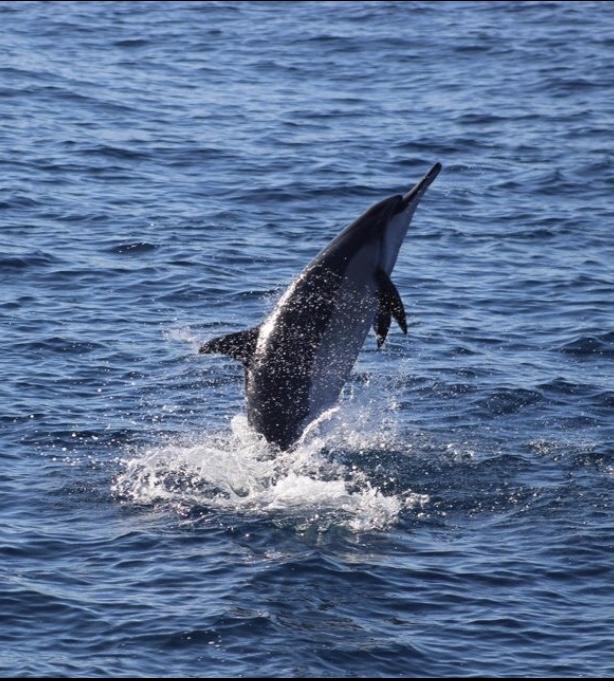
There’s a particular hush that arrives when you trade the rolling pastureland of Kamuela for the wide, wind-shaped horizon of the Kohala coast. Drive west from the paniolo town and the landscape shifts from rolling green to basalt cliffs and open ocean—an invitation rather than a promise. For travelers interested in dolphins, that invitation is the region’s defining asset: predictable deep-water channels, complex reef edges, and sheltered bays create a mosaic of habitats that draw both spinner dolphins—small, acrobatic, daytime loafers of Hawaiian waters—and the larger, curious bottlenose species. The experience here is cinematic without being manufactured. Dolphins are wild; encounters are negotiated moment by moment between animal behavior, ocean conditions, and the ethics of the people aboard the boats.

On a single morning off the Kohala coast you might watch a flotilla of spinner dolphins carve graceful semicircles in glossy water, then catch a silent, sun-splashed break where animals ride the bow of a swell, surfacing in a blur of spray. Operators out of nearby harbors know where the dolphins rest, where they transit to deeper feeding grounds, and when to back off—knowledge that turns a tour into a respectful exchange rather than wildlife theatre. Beyond the visual thrill, dolphin outings from Kamuela anchor a broader marine story: reef ecology, prey dynamics, and the centuries of Hawaiian practice that remind you to view the ocean as a shared realm.

This guide is for travelers who want the rush of close marine life viewing without compromising local culture or animal welfare. It maps the kinds of dolphin trips available—shore-based snorkel floats, small-boat photo safaris, and educational eco-cruises—while supplying the minute-by-minute considerations that matter at sea: sea state, swell direction, and the time-of-day patterns dolphins follow. We also fold in complementary activities—snorkeling reef gardens, stand-up paddleboarding for quiet shoreline scouting, and seasonal whale-watching—that make a dolphin-focused trip to Kamuela both versatile and responsibly adventurous. Read on to discover how to plan an encounter that feels both intimate and informed: setting, season, operator selection, and gear that keeps the experience safe for you and the animals.

Kamuela’s proximity to deep offshore channels means encounters can be productive without the long runs common on other islands. Many operators launch from nearby harbors, keeping transit times short and observation windows long.

Dolphin behavior follows rhythms—resting in sheltered bays by day and feeding offshore at night—so timing a trip (early morning or late afternoon) often yields calmer seas and more natural behaviors to observe.

Responsible operators emphasize observation protocols: no approaching pods, engines in neutral when animals are within close range, and keeping group sizes small to reduce stress on wild dolphins.

Activity focus: Wild dolphin viewing & swim-friendly snorkel trips
Primary species: Hawaiian spinner dolphins and occasional bottlenose sightings
Number of dolphin-specific experiences near Kamuela: 42
Most trips are half-day to full-day boat outings; some shoreline snorkel options exist
Sea conditions (swell and trade winds) strongly affect visibility and comfort

Best Time to Visit

Best Months

AprilMaySeptemberOctober

Weather Notes

Kohala’s weather is shaped by trade winds and localized swell patterns. Spring and fall often bring the calmest offshore conditions. Mornings are typically flatter than afternoons; trades can build chop by midday. Kona-side storm systems and winter swell may reduce visibility and comfort.

Peak Season

Late spring through early fall (calmer seas and more predictable visibility).

Off-Season Opportunities

Winter months may coincide with whale migrations—combine a dolphin trip with whale-watching for rich marine life viewing, but expect rougher seas on some days.

Frequently Asked Questions

Do I need a permit to swim with dolphins?

For wild dolphins, no personal permit is required, but U.S. and state guidelines prohibit harassing marine mammals. Licensed operators follow federal and state rules—choose one that enforces viewing distances and no-chase policies.

Can I expect to swim with dolphins during every tour?

No. Dolphins are wild and uncooperative by choice. Some trips include a snorkel in areas dolphins frequent, but operators will prioritize animal welfare, meaning swimming opportunities depend on behavior and regulations.

How sea-state dependent are dolphin trips from Kamuela?

Very. Small boats are common; calm mornings offer the best viewing and snorkeling. If winds or swell are high, operators may cancel or modify routes for safety and to reduce stress on animals.

Choose Your Experience Level

Beginner

Gentle introductions: short, sheltered snorkel floats and observation cruises that minimize time on open water.

  • Half-day coastal dolphin watching cruise
  • Shore-adjacent snorkel with guided reef talk
  • Quiet paddleboard scouting near protected bays

Intermediate

Small-boat excursions with modest open-water transit and optional snorkel stops; suitable if you’re comfortable on a boat and in the ocean.

  • Morning spinner-dolphin safari with snorkel opportunity
  • Eco-cruise that combines dolphin viewing and reef snorkeling
  • Guided kayak into a calm coastal cove with marine-life narration

Advanced

Longer offshore runs, photography-centric charters, or combined multi-activity days (dive + dolphin search) that require endurance and comfort in variable seas.

  • Full-day marine wildlife expedition with photo stops
  • Offshore snorkeling or freediving sessions in deeper channels
  • Multi-stop boat trips pairing dolphin encounters with deep-reef diving

Insider Tips & Local Knowledge

Choose operators with transparent wildlife policies and smaller group sizes. Always prioritize the animal's behavior over a photo.

Start early—glass-calm mornings are your best bet for quiet, ethical encounters. Ask operators about their approach: do they idle in neutral when dolphins approach? Do they have naturalists on board? Carry reef-safe sunscreen and bring your own snorkel set if hygiene and fit matter to you. Remember spinner dolphins use shallow bays as daytime resting sites; respect those spaces. If you’re photographing, keep zoom lenses ready rather than attempting to get closer. Combine a dolphin trip with a reef snorkeling stop or a cultural visit to Puʻukoholā Heiau to round out a day with marine and cultural context. Finally, consider gifting to local marine conservation groups—many operators partner with nonprofits focused on research and education, amplifying the benefit of your visit.

What to Bring

Essential

  • Light wetsuit or thermal rashguard (water temperatures can feel cool in wind)
  • Reef-safe, mineral-based sunscreen
  • Snorkel, mask, and fins if you prefer your own gear
  • Waterproof phone case or small dry bag
  • Motion-sickness medication if you’re prone to seasickness

Recommended

  • Polarized sunglasses and brimmed hat for glare
  • Waterproof camera or action camera with float strap
  • Light insulating layer for early morning departures
  • Reusable water bottle and high-energy snacks

Optional

  • Binoculars for distant pod scanning
  • Small notebook for naturalist observations
  • Earplugs if you’re sensitive to boat engine noise

Ready for Your Dolphin Adventure?

Browse 42 verified trips in Kamuela with instant booking

Explore Top 15 Kamuela, Hawaii Adventures →