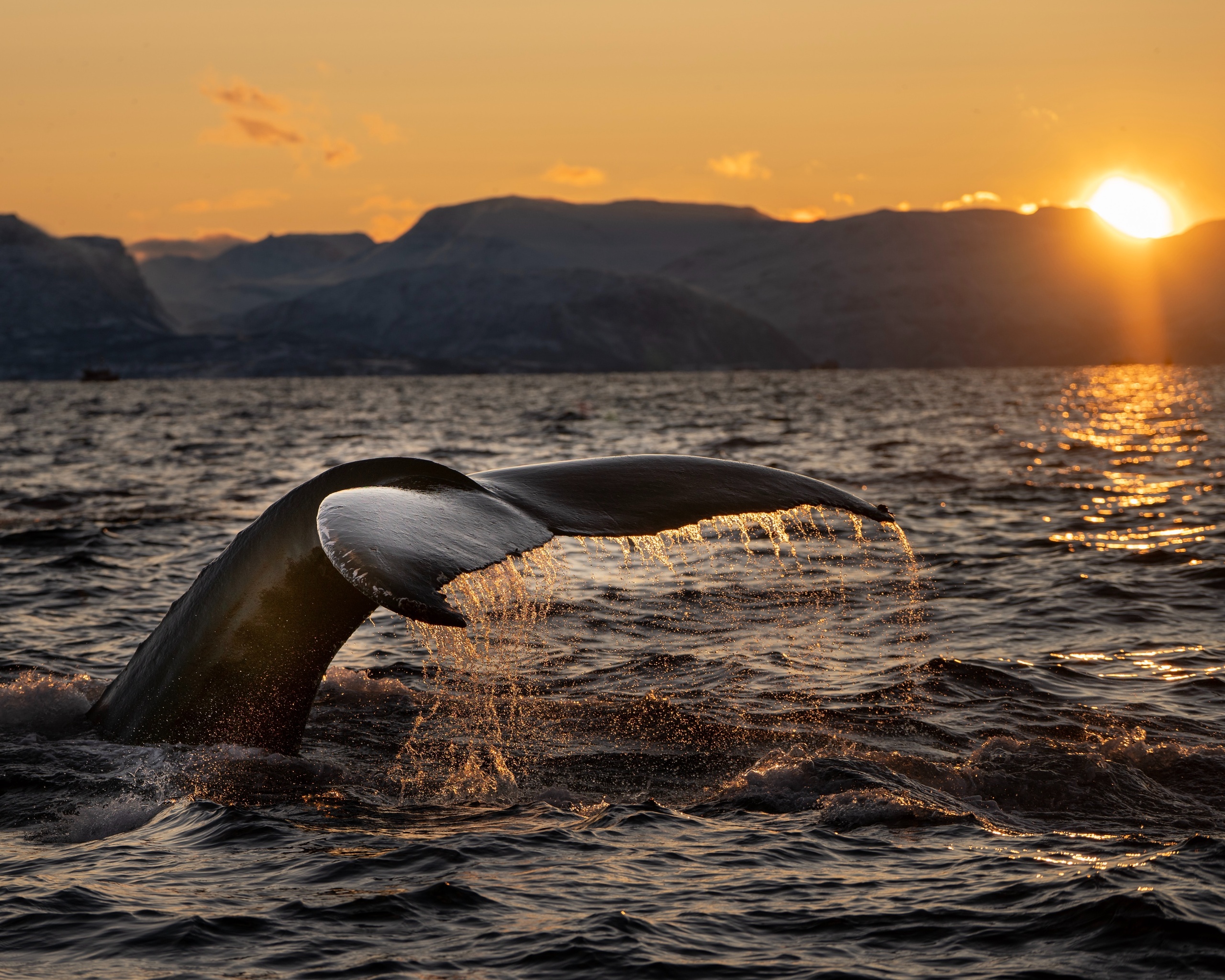
Whale Watching in Kalalau, Hawaii
Towering emerald cliffs, sweeping sea caves, and deep offshore channels make the Kalalau stretch of the Na Pali Coast one of the most cinematic whale-watching arenas in the Pacific. Each winter, migrating humpback whales pass and linger in Hawaiian waters, turning boat decks, kayaks, and cliffside lookouts into front-row seats for breaches, tail slaps, spy-hops, and the slow choreography of mother-and-calf pairs. This guide focuses on how to experience that spectacle responsibly—from sheltered charter launches and guided sea-kayak trips to remote shore viewing and helicopter perspectives—while weaving in the region's cultural context and practical planning notes for visiting a place that feels both wild and fragile.
Top Whale Watch Trips in Kalalau
77 trips • Book with confidence • Instant confirmation
Why Kalalau Is a Standout Whale-Watching Destination
There are places where the ocean feels vast and anonymous, and then there is the Na Pali Coast at Kalalau: a fractured seam of cliffs and sea where the Pacific compresses, eddies, and deepens into the highways that migrating humpbacks prefer. The geology here—sheer basalt walls plunging into deep water—creates protected pockets and listening posts for whales. They arrive in winter from Alaskan feeding grounds with calves or to mate, and they often linger within sight of the coastline. Watching them from a respectful distance, you get a sense of scale: the whales’ bulk seems to stagger time itself, each breath a punctuation mark in an otherwise perpetual surf.
On a good day a Kalalau whale watch is a layered experience. From a small, quiet zodiac you can feel the swell and salt and hear the canted notes of humpback song, low and resonant through the hull. From a guided sea kayak the encounter is more intimate and elemental—the animals are often curious about small craft, and you may watch a calf surface beside a silent fiberglass bow. A helicopter lifts the scene into a balletic plane, revealing whales threading between offshore pinnacles and the ribbon of green on the coast. Shore-based viewing from strategic headlands or from boats anchored in calmer bays gives another perspective: the cliff backdrop turns breaches and tail-lobs into a private theater framed by vertical green.
Beyond spectacle, the experience at Kalalau is braided with cultural and conservation threads. The Na Pali Coast is ancestral land and sea—native Hawaiian stories and place names shape how locals read the landscape and its creatures. Modern protections—from marine regulations to tour guidelines—are meant to safeguard that relationship between people and ocean life. Responsible whale watching here is not just about seeing animals up close; it’s about honoring the space they need to rest, nurse, and travel. Operators and guides who emphasize quiet, informed approaches change the tone of a trip from voyeurism to stewardship.
Practical considerations make Kalalau unique among whale-watching destinations. Access along the Na Pali Coast is constrained—no roads trundle along its edge—so most viewing is done by boat, kayak, or air. That remoteness means weather and sea state matter more here than in protected harbors: swells can build quickly, and wind funnels between cliffs. The payoff is a dramatic, uncrowded encounter with marine life set against one of the most rugged shorelines in Hawai‘i. For travelers, that means planning for sea conditions, choosing the right platform for your comfort and experience goals, and making space—both in itinerary and attitude—for the slow, deliberate pace of whale country.
Deep nearshore channels and protected bays along the Na Pali provide habitat and transit lanes that attract migrating humpbacks between November and May.
Access is limited—most whale-watching experiences originate from sea or air—so choose the platform (boat, kayak, helicopter) that matches your comfort level and the kind of encounter you want.
Kalalau’s combination of dramatic coastal geology and relatively low onshore development creates some of the most photogenic and undisturbed whale-watching settings in Hawaii.
Local cultural practices and federal/state protection guidelines shape responsible viewing protocols; guided tours usually brief guests on distance and behavior rules before departure.
Best Time to Visit
Best Months
Weather Notes
Winter brings the whale migration but also larger swell and more variable winds. Calm mornings can turn choppy in the afternoon; always check sea-state forecasts and tour operator advisories. Summer months are generally calmer but have fewer whale sightings.
Peak Season
January–March (most consistent sightings and highest tour demand).
Off-Season Opportunities
Late spring to early fall delivers calmer seas for kayaking and snorkeling; fewer whales but better visibility and easier sea conditions for multi-activity trips.
Frequently Asked Questions
Do I need a permit to watch whales from shore in Kalalau?
Shore-based viewing generally does not require a permit, but access along the Na Pali Coast is limited and some trails or landing areas have restrictions; always confirm local access rules before attempting remote viewpoints.
How close can boats or kayaks get to humpback whales?
Regulations and responsible operators maintain minimum approach distances to reduce stress on whales. Guided tours will brief you on legal and ethical distances; never attempt to approach on your own or pursue animals that change course.
Is whale watching safe if I get seasick?
Many operators advise taking sea-sickness medication before departure and provide guidance on seating and timing to minimize discomfort. Choose larger, more stable boats if you are highly prone to seasickness.
Can I swim with the whales?
No. Swimming with whales is unsafe for both people and animals and is restricted by guidelines intended to prevent harassment and ensure marine mammal welfare.
Choose Your Experience Level
Beginner
Comfortable boat-based excursions with experienced guides—ideal if you want a low-effort, high-viewing-probability trip. Most charters include a safety briefing and interpretation.
- Half-day zodiac or catamaran whale watch
- Nearby sheltered-bay viewing tour with naturalist guide
- Shoreline lookout visits combined with brief guided boat transfers
Intermediate
Guided sea-kayak tours along protected stretches of the Na Pali coastline for paddlers with prior open-water experience; offers quieter, closer vantage points but requires fitness and comfort in variable sea states.
- Guided sea-kayak whale-watch day trip
- Combined snorkel-and-whale-watch boat tour
- Photography-focused small-group zodiac trips
Advanced
Multi-day expeditions or private charters that combine remote anchoring, extended offshore searching, and higher probability of solitary encounters; best for experienced sea kayakers, expedition paddlers, or those hiring private vessels.
- Multi-day sea kayak expedition along the Na Pali Coast
- Private charter with flexible routing for focused whale photography
- Combined aerial + sea itinerary for large-scale landscape and wildlife perspective
Insider Tips & Local Knowledge
Respect the animals and the coastline—follow guide instructions, maintain distance, and choose operators who prioritize conservation.
Book early for winter months; small-group trips fill quickly. For calmer conditions, target early-morning departures and check swell and wind forecasts. If you want a quieter encounter, consider a guided kayak trip on a calm day—these are slower, more deliberate, and often more intimate than large-boat outings. Bring layers: even sunny mornings can be cool offshore, and spray is common. Use reef-safe sunscreen and pack out all trash—Kalalau is remote and delicate. Finally, learn a little about local culture and place names before you go; knowledgeable operators will weave stories of the land and sea into the outing, and that context makes sightings feel more meaningful.
What to Bring
Essential
- Wind- and water-resistant outer layer
- Sea-sickness medication if susceptible
- Day pack with water and snacks
- Polarized sunglasses for glare reduction
- Binoculars or zoom lens for spotting and photography
Recommended
- Light waterproof camera or action camera with a secure strap
- Reusable water bottle and quick snacks
- Sun hat and reef-safe sunscreen
- Small waterproof dry bag for electronics
Optional
- Compact spotting scope for shore-based viewing
- Thermal base layer for early-morning departures
- Journal for recording sightings and notes on behavior
Ready for Your Whale Watch Adventure?
Browse 77 verified trips in Kalalau with instant booking
Explore Top 15 Kalalau, Hawaii Adventures →